-

Geomatics is vital to US national security; our advantage is at risk
Our navigation, banking, power grids and many other elements of American life — including our national security — depend on scientists’ precise knowledge of timing and the location of items across the Earth’s surface, the National Geospatial-Intelligence Agency leader explains.
-

Overmatch by other means: integrating Irregular Warfare into Joint Force Wargaming
Wargaming is an essential component of professional military education, but is it obsolete for the irregular challenges of competition today?
-

Increasing the US Army’s ground combat vehicle war-fighting capabilities with appropriate energy tech
Army Futures Command leadership would be wise to deploy hybrid electric vehicles for maximum battlefield versatility.
-

The imperative to field a cutting-edge Air Force
Refurbishing an entire fleet of 40-year-old airplanes will never “keep pace,” the commander of the U.S. Air Force Air Combat Command says.
-
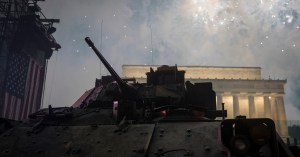
The US Army’s new iron triangle: The coming budget crunch and its implications for modernization
It has come to be seen as virtually axiomatic in defense circles that the U.S. Army will serve as a bill payer for air and naval modernization.
-

Planning for a rainy day in space: How America can build a resilient space future
The U.S. does not need to further expand a cumbersome military industry to address the Achilles’ heel of space system cybersecurity, a small satellite industry representative says.
-

US military must avoid a ‘Kasserine Pass’ failure for space power
A primary reason U.S. Space Command was reestablished and the U.S. Space Force created was to ensure necessary war-fighting synergies through unity of effort under an independent commander, the essay author writes.
-

The FTC’s take on vertical mergers, acquisitions is misguided
If Washington changes policy and objects to vertical mergers, the effects will ripple all the way down to an entrepreneur’s decision to start a company.
-
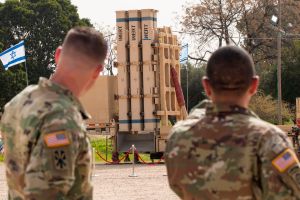
Biden needs to prepare for Iran’s escalating projectile threat
America must keep its remaining air defense systems in place until its Mideast partners can acquire and deploy sufficient alternatives.
-

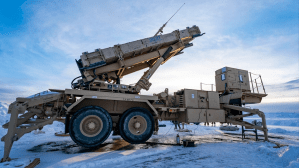
How the US Space Force plans to improve Arctic communication
Timing is critical as the mineral-rich Arctic becomes a new frontier in national security and economic pursuits.
-
Geomatics is vital to US national security; our advantage is at risk
Our navigation, banking, power grids and many other elements of American life — including our national security — depend on scientists’ precise knowledge of timing and the location of items across the Earth’s surface, the National Geospatial-Intelligence Agency leader explains.
-
Overmatch by other means: integrating Irregular Warfare into Joint Force Wargaming
Wargaming is an essential component of professional military education, but is it obsolete for the irregular challenges of competition today?
-
Increasing the US Army’s ground combat vehicle war-fighting capabilities with appropriate energy tech
Army Futures Command leadership would be wise to deploy hybrid electric vehicles for maximum battlefield versatility.
-
The imperative to field a cutting-edge Air Force
Refurbishing an entire fleet of 40-year-old airplanes will never “keep pace,” the commander of the U.S. Air Force Air Combat Command says.
-
The US Army’s new iron triangle: The coming budget crunch and its implications for modernization
It has come to be seen as virtually axiomatic in defense circles that the U.S. Army will serve as a bill payer for air and naval modernization.
-
Planning for a rainy day in space: How America can build a resilient space future
The U.S. does not need to further expand a cumbersome military industry to address the Achilles’ heel of space system cybersecurity, a small satellite industry representative says.
-
US military must avoid a ‘Kasserine Pass’ failure for space power
A primary reason U.S. Space Command was reestablished and the U.S. Space Force created was to ensure necessary war-fighting synergies through unity of effort under an independent commander, the essay author writes.
-
The FTC’s take on vertical mergers, acquisitions is misguided
If Washington changes policy and objects to vertical mergers, the effects will ripple all the way down to an entrepreneur’s decision to start a company.
-
Biden needs to prepare for Iran’s escalating projectile threat
America must keep its remaining air defense systems in place until its Mideast partners can acquire and deploy sufficient alternatives.
-
How the US Space Force plans to improve Arctic communication
Timing is critical as the mineral-rich Arctic becomes a new frontier in national security and economic pursuits.
-

Geomatics is vital to US national security; our advantage is at risk
Our navigation, banking, power grids and many other elements of American life — including our national security — depend on scientists’ precise knowledge of timing and the location of items across the Earth’s surface, the National Geospatial-Intelligence Agency leader explains.
-

Overmatch by other means: integrating Irregular Warfare into Joint Force Wargaming
Wargaming is an essential component of professional military education, but is it obsolete for the irregular challenges of competition today?
-

Increasing the US Army’s ground combat vehicle war-fighting capabilities with appropriate energy tech
Army Futures Command leadership would be wise to deploy hybrid electric vehicles for maximum battlefield versatility.
-
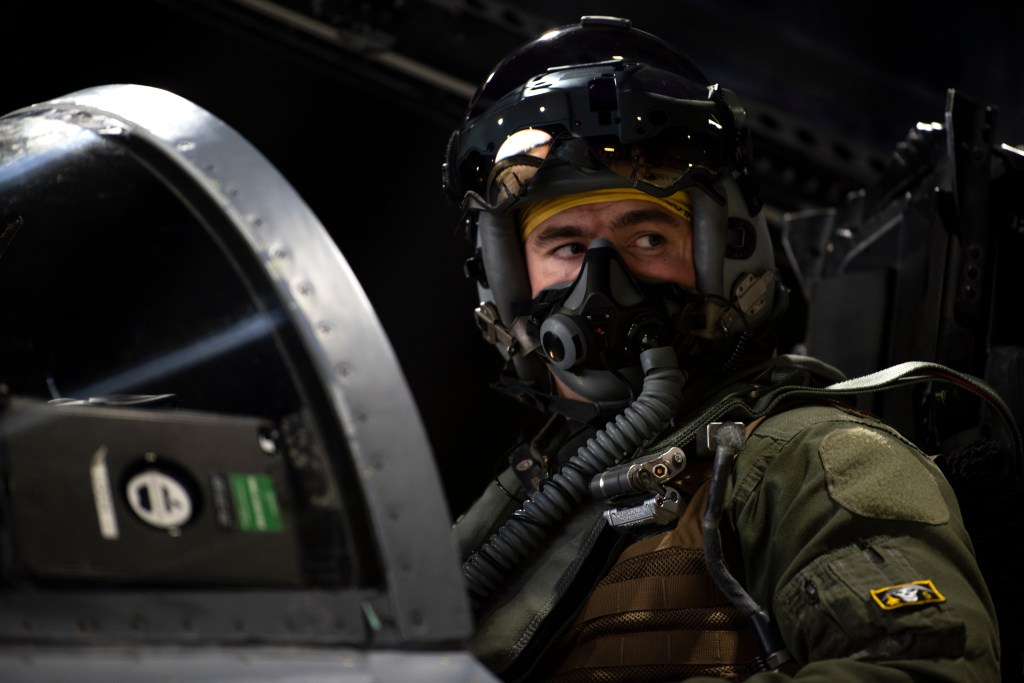
The imperative to field a cutting-edge Air Force
Refurbishing an entire fleet of 40-year-old airplanes will never “keep pace,” the commander of the U.S. Air Force Air Combat Command says.
-
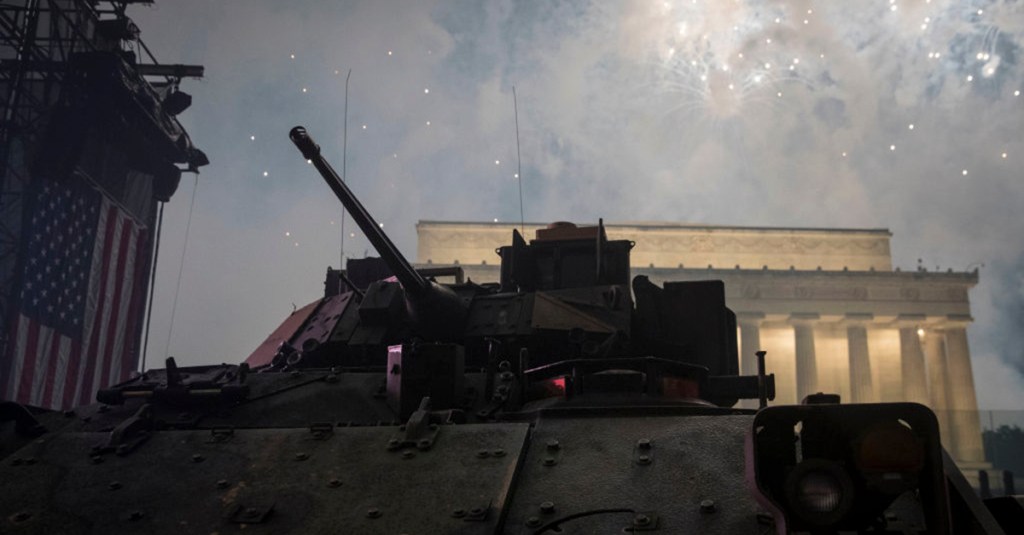
The US Army’s new iron triangle: The coming budget crunch and its implications for modernization
It has come to be seen as virtually axiomatic in defense circles that the U.S. Army will serve as a bill payer for air and naval modernization.
-

Planning for a rainy day in space: How America can build a resilient space future
The U.S. does not need to further expand a cumbersome military industry to address the Achilles’ heel of space system cybersecurity, a small satellite industry representative says.
-
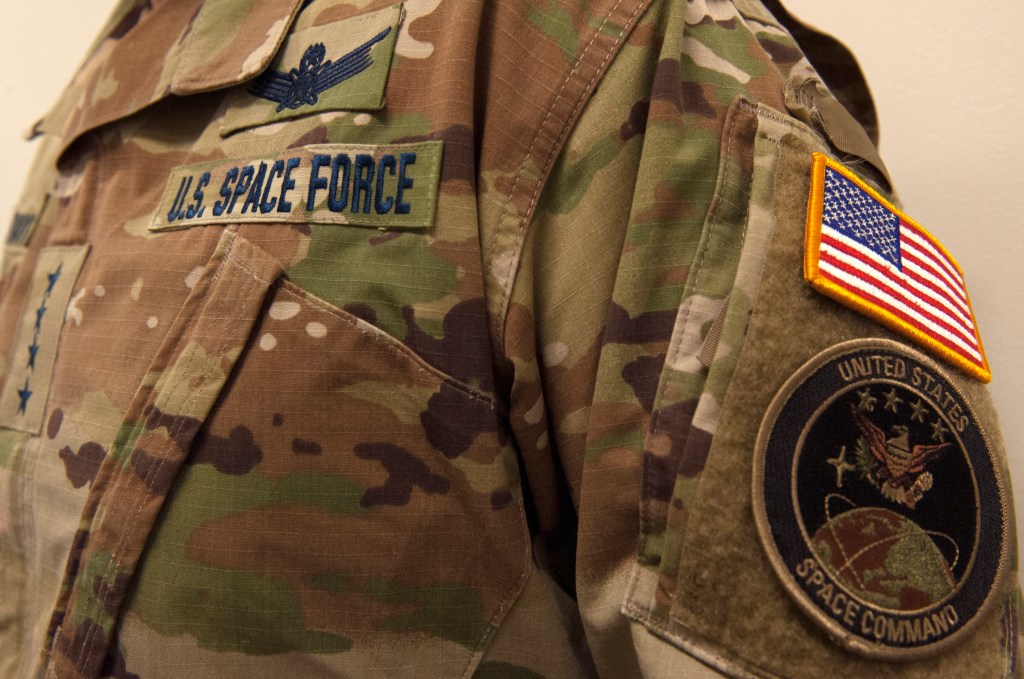
US military must avoid a ‘Kasserine Pass’ failure for space power
A primary reason U.S. Space Command was reestablished and the U.S. Space Force created was to ensure necessary war-fighting synergies through unity of effort under an independent commander, the essay author writes.
-
The FTC’s take on vertical mergers, acquisitions is misguided
If Washington changes policy and objects to vertical mergers, the effects will ripple all the way down to an entrepreneur’s decision to start a company.
-
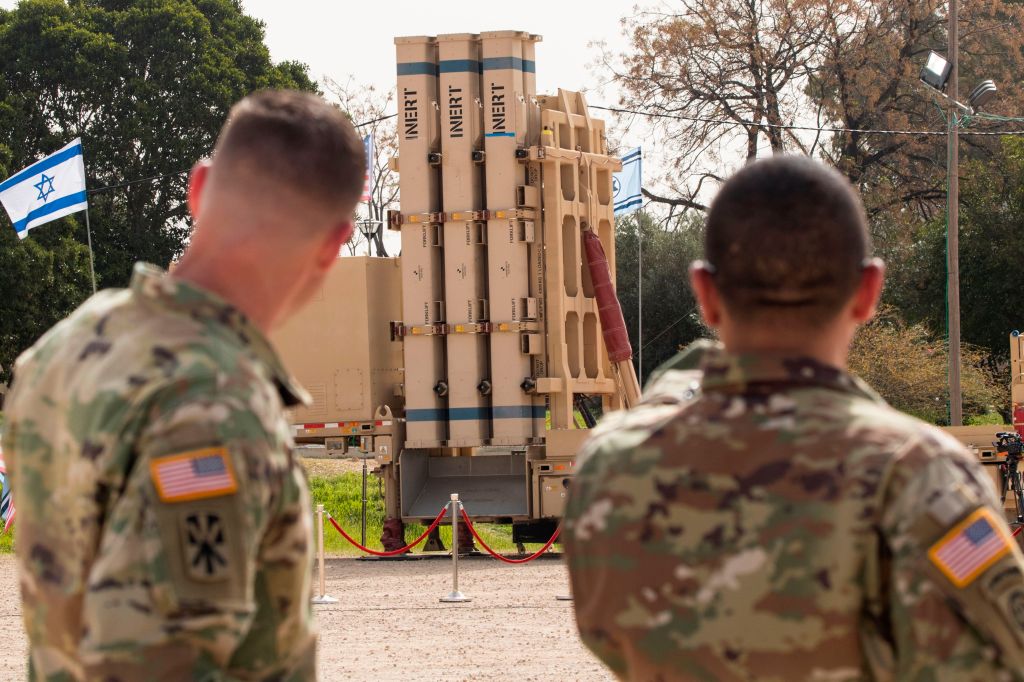
Biden needs to prepare for Iran’s escalating projectile threat
America must keep its remaining air defense systems in place until its Mideast partners can acquire and deploy sufficient alternatives.
-

How the US Space Force plans to improve Arctic communication
Timing is critical as the mineral-rich Arctic becomes a new frontier in national security and economic pursuits.