-
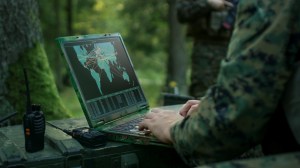
With Chinese and Russian knives at the throat of GPS, Senate calls for a study, waits for administration to follow law
The U.S. must pursue a terrestrial alternative to GPS, as required by law, as one step to protect the vulnerable system for the military and the public, an expert argues.
-
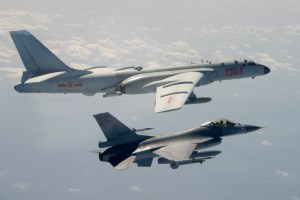
New arms sales send the wrong signal on Taiwan
To avoid enflaming tensions in the Taiwan Strait, the U.S. needs to halt sales of weapons to Taiwan.
-
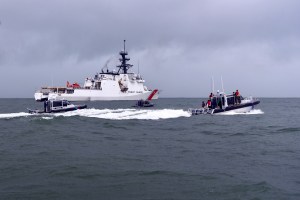
The US Coast Guard urgently needs help
The Coast Guard is one of America’s most versatile and valuable assets. Its funding should reflect this important role.
-

A note to Rep. Luria: Our US Navy is doing fine
A former Pentagon official argues Rep. Elaine Luria is mistaken when she says the Navy is facing unreasonable fiscal and bureaucratic constraints because of the power of the Joint Staff.
-

Defense research forms the foundation for national security. Funding cuts crack it.
As global threats become more complex and frequent, so does our reliance on science and technology to keep them at bay.
-

UK to adapt military to changing climate, but does it have the funds and backing of troops?
Britain’s green plan depends on a number of factors, not least of which are funding decisions to be made over the next 15 years.
-

The green energy arms race is underway
As the transition to renewable energy gathers pace, beware the advent of green geopolitics.
-

Space-based optical communications: updating SATCOM for the information age
Space-based laser communications are central to DoD’s plans for JADC2. The efforts are underfunded, and the cost of inaction is high, an analyst argues.
-
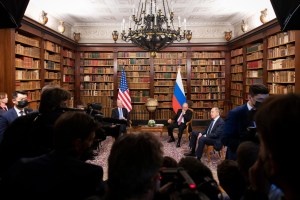
Putin’s push for isolated internet will shift the Russian cyber landscape
The U.S. and NATO bloc must pay more attention to domestic Russian internet policy developments, a cyber researcher argues.
-
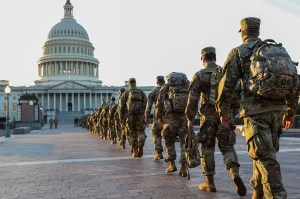
The National Guard needs funding, not platitudes
Can the National Guard continue to retain talent at the level needed in the era of “great power competition” when more lucrative, time-saving opportunities present themselves in the civilian world?
-
With Chinese and Russian knives at the throat of GPS, Senate calls for a study, waits for administration to follow law
The U.S. must pursue a terrestrial alternative to GPS, as required by law, as one step to protect the vulnerable system for the military and the public, an expert argues.
-
New arms sales send the wrong signal on Taiwan
To avoid enflaming tensions in the Taiwan Strait, the U.S. needs to halt sales of weapons to Taiwan.
-
The US Coast Guard urgently needs help
The Coast Guard is one of America’s most versatile and valuable assets. Its funding should reflect this important role.
-
A note to Rep. Luria: Our US Navy is doing fine
A former Pentagon official argues Rep. Elaine Luria is mistaken when she says the Navy is facing unreasonable fiscal and bureaucratic constraints because of the power of the Joint Staff.
-
Defense research forms the foundation for national security. Funding cuts crack it.
As global threats become more complex and frequent, so does our reliance on science and technology to keep them at bay.
-
UK to adapt military to changing climate, but does it have the funds and backing of troops?
Britain’s green plan depends on a number of factors, not least of which are funding decisions to be made over the next 15 years.
-
The green energy arms race is underway
As the transition to renewable energy gathers pace, beware the advent of green geopolitics.
-
Space-based optical communications: updating SATCOM for the information age
Space-based laser communications are central to DoD’s plans for JADC2. The efforts are underfunded, and the cost of inaction is high, an analyst argues.
-
Putin’s push for isolated internet will shift the Russian cyber landscape
The U.S. and NATO bloc must pay more attention to domestic Russian internet policy developments, a cyber researcher argues.
-
The National Guard needs funding, not platitudes
Can the National Guard continue to retain talent at the level needed in the era of “great power competition” when more lucrative, time-saving opportunities present themselves in the civilian world?
-
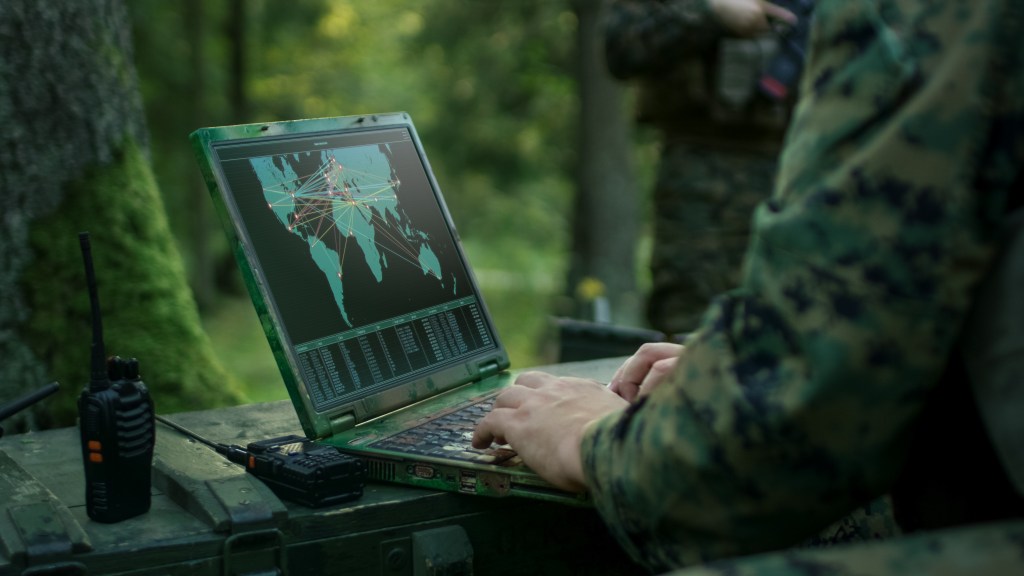
With Chinese and Russian knives at the throat of GPS, Senate calls for a study, waits for administration to follow law
The U.S. must pursue a terrestrial alternative to GPS, as required by law, as one step to protect the vulnerable system for the military and the public, an expert argues.
-
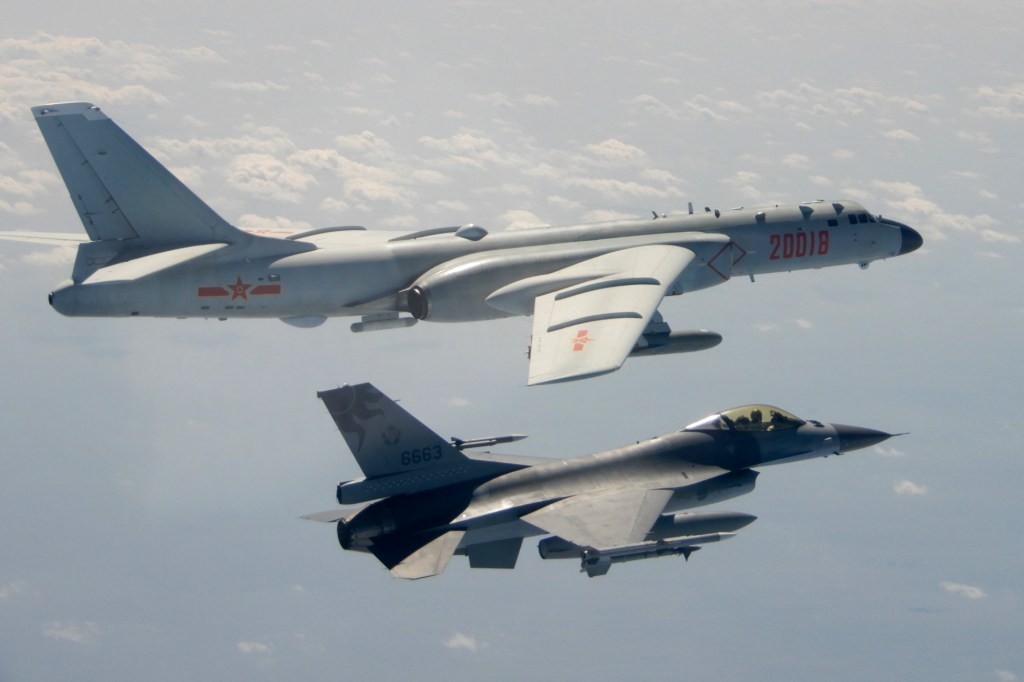
New arms sales send the wrong signal on Taiwan
To avoid enflaming tensions in the Taiwan Strait, the U.S. needs to halt sales of weapons to Taiwan.
-
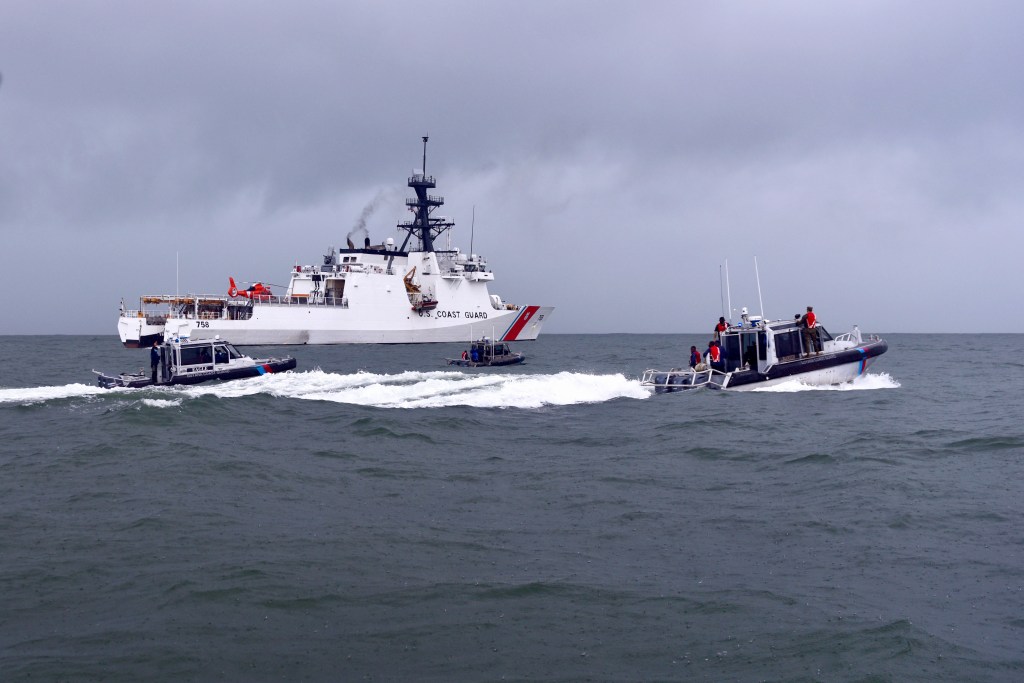
The US Coast Guard urgently needs help
The Coast Guard is one of America’s most versatile and valuable assets. Its funding should reflect this important role.
-

A note to Rep. Luria: Our US Navy is doing fine
A former Pentagon official argues Rep. Elaine Luria is mistaken when she says the Navy is facing unreasonable fiscal and bureaucratic constraints because of the power of the Joint Staff.
-

Defense research forms the foundation for national security. Funding cuts crack it.
As global threats become more complex and frequent, so does our reliance on science and technology to keep them at bay.
-

UK to adapt military to changing climate, but does it have the funds and backing of troops?
Britain’s green plan depends on a number of factors, not least of which are funding decisions to be made over the next 15 years.
-

The green energy arms race is underway
As the transition to renewable energy gathers pace, beware the advent of green geopolitics.
-

Space-based optical communications: updating SATCOM for the information age
Space-based laser communications are central to DoD’s plans for JADC2. The efforts are underfunded, and the cost of inaction is high, an analyst argues.
-
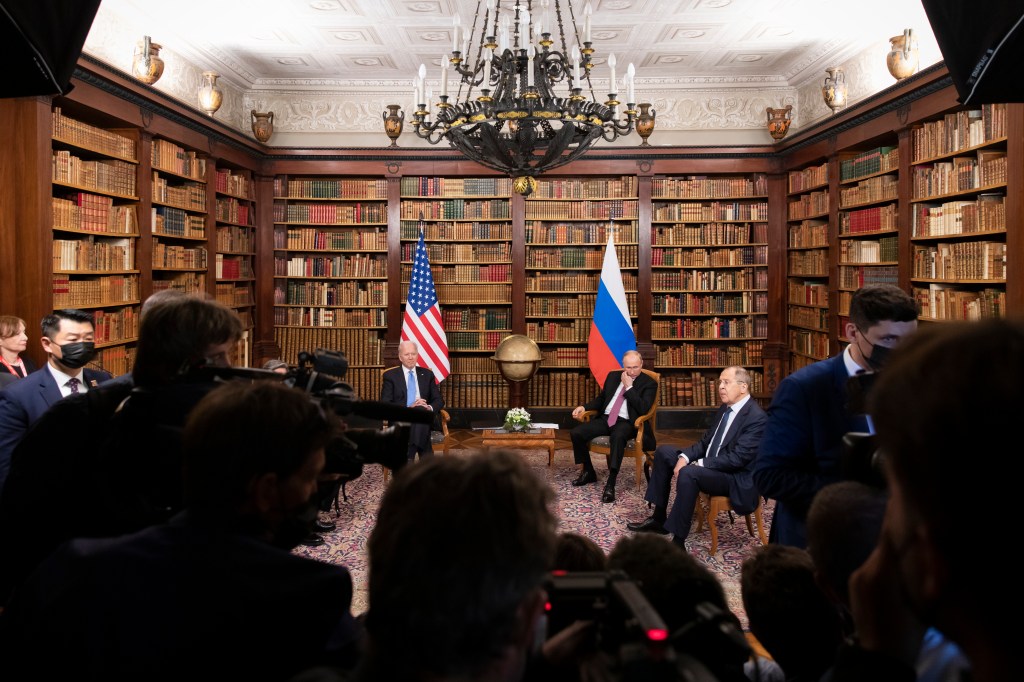
Putin’s push for isolated internet will shift the Russian cyber landscape
The U.S. and NATO bloc must pay more attention to domestic Russian internet policy developments, a cyber researcher argues.
-
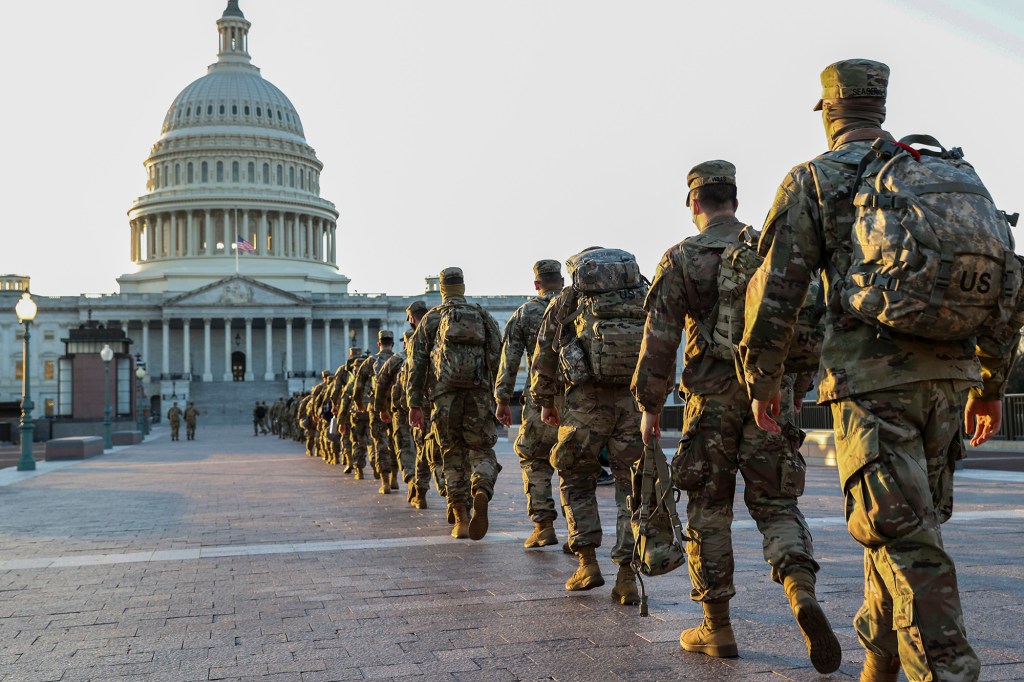
The National Guard needs funding, not platitudes
Can the National Guard continue to retain talent at the level needed in the era of “great power competition” when more lucrative, time-saving opportunities present themselves in the civilian world?