-

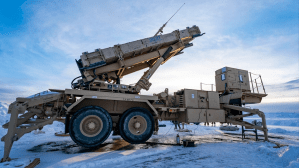
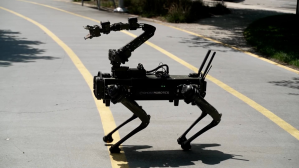
Give combatant commanders the tools to innovate
Innovations set to arrive in the 2030s or 2040s will be irrelevant if U.S. forces fail to prevent Chinese or Russian aggression during the next decade.
-

Five takeaways from this year’s Top 100
Byron Callan of Capital Alpha Partners weighs in with his annual assessment of the Top 100 list.
-

Even in a challenging period, publicly traded defense stocks thrive
As 2020 moved into 2021, the outlook for defense sector firms improved.
-

US needs radical shifts and bipartisan cooperation to defend its position against China
It would be unpopular to say that the U.S. should emulate China; but when it comes to our investments in artificial intelligence and other emerging technologies, government leaders are taking note, the author says.
-

Why America could lose its next war
Denying China and Russia a path to victory will require the Pentagon to revisit its planning assumptions and increase forces and capabilities.
-

Maneuver warfare in space: The strategic imperative for nuclear thermal propulsion
Achieving space superiority will require the capability to maneuver satellites in a quick, agile and sustained fashion.
-

On fleet size, Congress should listen to the Navy’s leaders, not its planning documents
“If we’re going to pace the adversary, we need to have a bigger Navy,” Navy Vice Adm. James Kilby told senators.
-

Big screen to battlefield: How sci-fi can inspire next-generation weaponry
Directed energy has captivated science fiction fans for decades, but we must not allow a failure of imagination to prevent us from converting directed energy from movie magic to military might before our adversaries.
-

Why Congress should provide reliable funding for directed-energy capabilities
More actors are — or soon will be — in command of more and better low-cost, low-flying capabilities that threaten U.S. bases.
-

Nothing left in the tank: The state of the Pentagon’s supply chain
The defense-industrial base’s supply chain is barely able to keep pace and must be incentivized to create surge capacity, according to the authors of this commentary.
-
Give combatant commanders the tools to innovate
Innovations set to arrive in the 2030s or 2040s will be irrelevant if U.S. forces fail to prevent Chinese or Russian aggression during the next decade.
-
Five takeaways from this year’s Top 100
Byron Callan of Capital Alpha Partners weighs in with his annual assessment of the Top 100 list.
-
Even in a challenging period, publicly traded defense stocks thrive
As 2020 moved into 2021, the outlook for defense sector firms improved.
-
US needs radical shifts and bipartisan cooperation to defend its position against China
It would be unpopular to say that the U.S. should emulate China; but when it comes to our investments in artificial intelligence and other emerging technologies, government leaders are taking note, the author says.
-
Why America could lose its next war
Denying China and Russia a path to victory will require the Pentagon to revisit its planning assumptions and increase forces and capabilities.
-
Maneuver warfare in space: The strategic imperative for nuclear thermal propulsion
Achieving space superiority will require the capability to maneuver satellites in a quick, agile and sustained fashion.
-
On fleet size, Congress should listen to the Navy’s leaders, not its planning documents
“If we’re going to pace the adversary, we need to have a bigger Navy,” Navy Vice Adm. James Kilby told senators.
-
Big screen to battlefield: How sci-fi can inspire next-generation weaponry
Directed energy has captivated science fiction fans for decades, but we must not allow a failure of imagination to prevent us from converting directed energy from movie magic to military might before our adversaries.
-
Why Congress should provide reliable funding for directed-energy capabilities
More actors are — or soon will be — in command of more and better low-cost, low-flying capabilities that threaten U.S. bases.
-
Nothing left in the tank: The state of the Pentagon’s supply chain
The defense-industrial base’s supply chain is barely able to keep pace and must be incentivized to create surge capacity, according to the authors of this commentary.
-
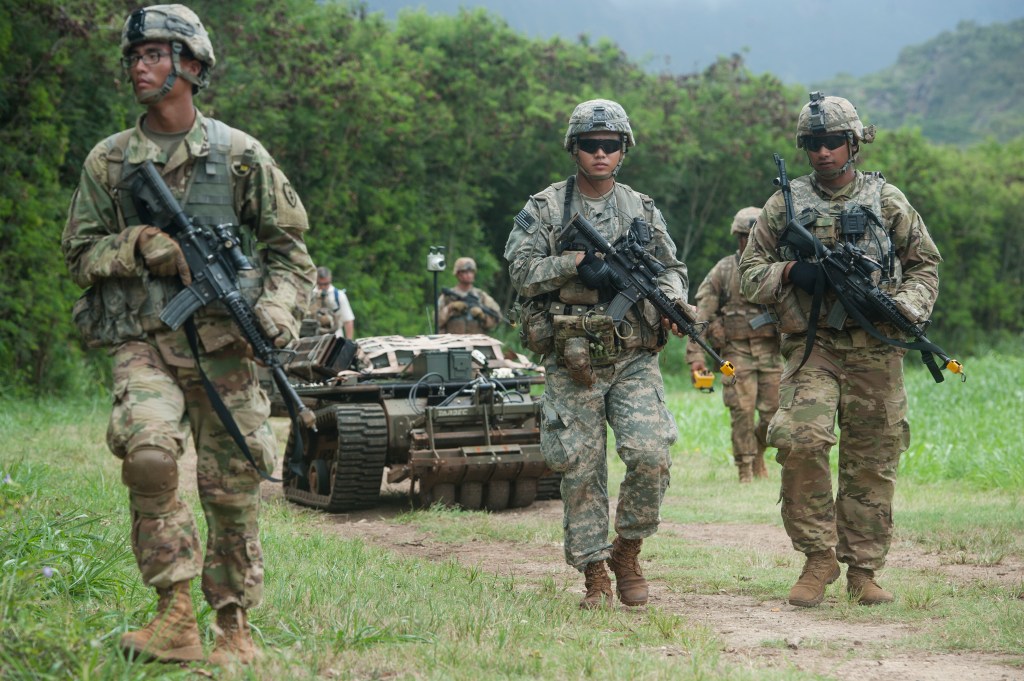
Give combatant commanders the tools to innovate
Innovations set to arrive in the 2030s or 2040s will be irrelevant if U.S. forces fail to prevent Chinese or Russian aggression during the next decade.
-

Five takeaways from this year’s Top 100
Byron Callan of Capital Alpha Partners weighs in with his annual assessment of the Top 100 list.
-

Even in a challenging period, publicly traded defense stocks thrive
As 2020 moved into 2021, the outlook for defense sector firms improved.
-

US needs radical shifts and bipartisan cooperation to defend its position against China
It would be unpopular to say that the U.S. should emulate China; but when it comes to our investments in artificial intelligence and other emerging technologies, government leaders are taking note, the author says.
-

Why America could lose its next war
Denying China and Russia a path to victory will require the Pentagon to revisit its planning assumptions and increase forces and capabilities.
-

Maneuver warfare in space: The strategic imperative for nuclear thermal propulsion
Achieving space superiority will require the capability to maneuver satellites in a quick, agile and sustained fashion.
-

On fleet size, Congress should listen to the Navy’s leaders, not its planning documents
“If we’re going to pace the adversary, we need to have a bigger Navy,” Navy Vice Adm. James Kilby told senators.
-

Big screen to battlefield: How sci-fi can inspire next-generation weaponry
Directed energy has captivated science fiction fans for decades, but we must not allow a failure of imagination to prevent us from converting directed energy from movie magic to military might before our adversaries.
-

Why Congress should provide reliable funding for directed-energy capabilities
More actors are — or soon will be — in command of more and better low-cost, low-flying capabilities that threaten U.S. bases.
-
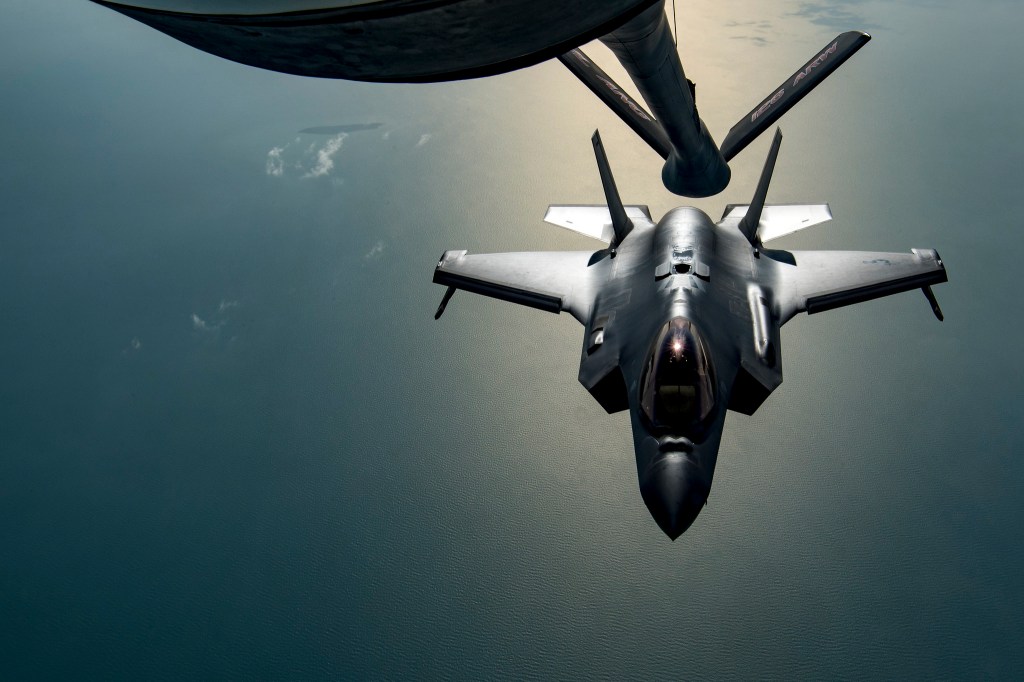
Nothing left in the tank: The state of the Pentagon’s supply chain
The defense-industrial base’s supply chain is barely able to keep pace and must be incentivized to create surge capacity, according to the authors of this commentary.