-
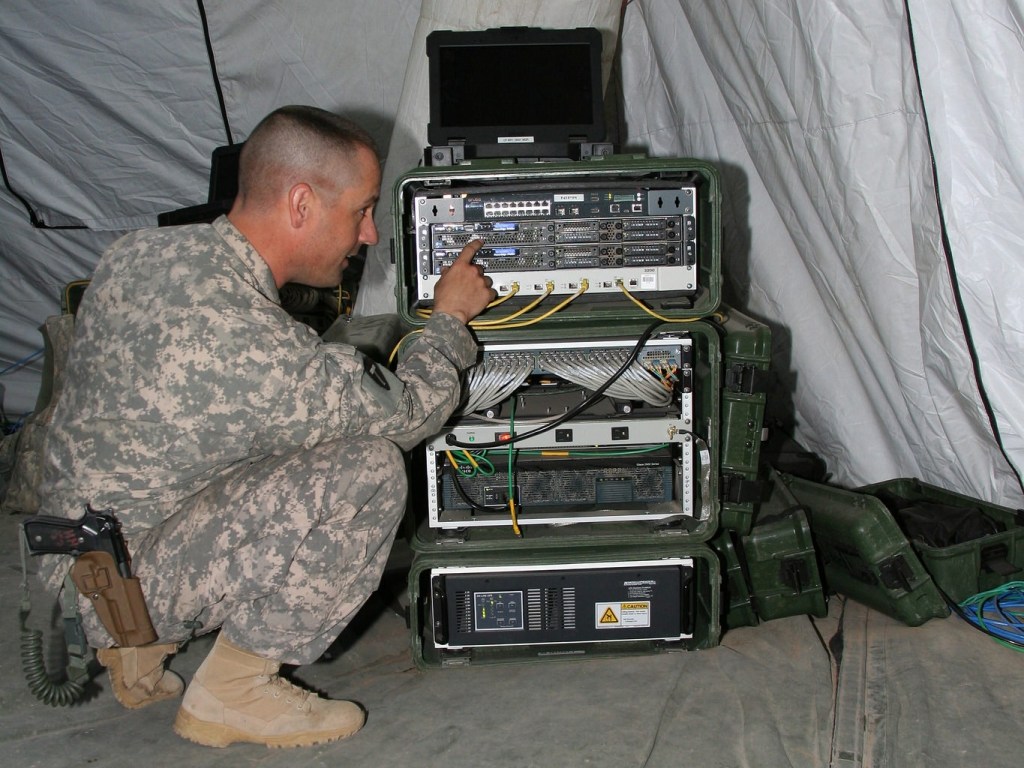
Integrate cyber maintenance into the US Army’s battle rhythm
The war fighter preparing for the future fight must be able to trust the cyber equipment’s readiness, and the absence of ordered cyber maintenance is an ongoing vulnerability.
-

Diverse, layered missile defense is key to killing drone swarms
The Patriot is primarily designed to stop high-flying jet aircraft and large ballistic missiles, while drones and short-range cruise missiles fly too low to be effectively detected by the Patriot radar.
-

Monitoring capabilities, ISR tech will deter America’s adversaries
Increasing persistent surveillance in the Gulf — and perhaps more importantly making adversaries believe they’re being watched — is part of an effective peacekeeping strategy for the volatile region.
-

The US still needs aircraft carriers
Rear Adm. Roy Kelley discusses the continuing value of aircraft carriers in the age of hypersonic missiles.
-

Time to rededicate America’s commitment to innovation leadership
Today, our technical leadership is being challenged by near-peer adversaries, particularly in areas related to national security. Similar to the race to reach the Moon, this creates a clear opportunity for America.
-
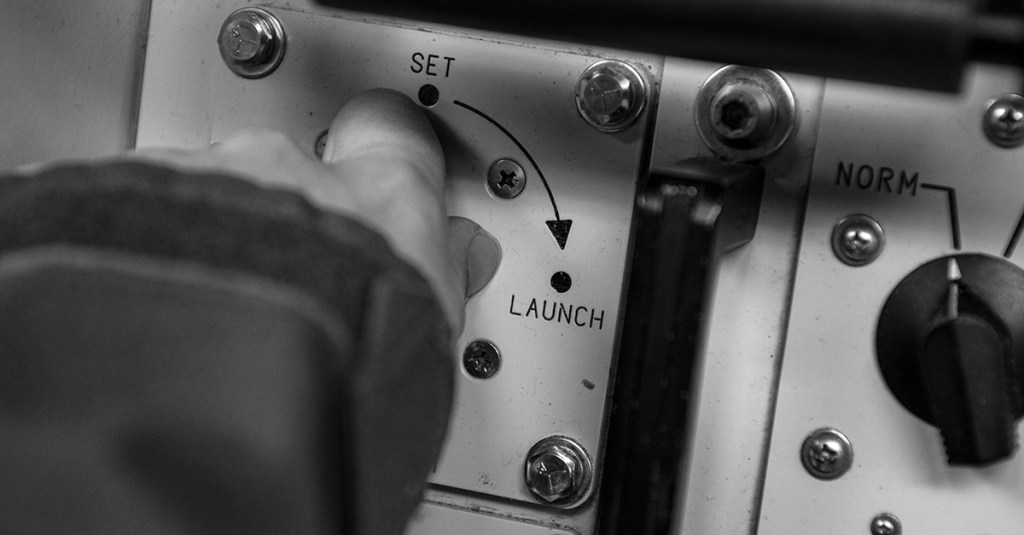
Boeing’s withdrawal from the Ground Based Strategic Deterrent program must not cause delays
Asking the Air Force to restructure its existing acquisition approach for the GBSD, as Boeing has done, is certain to add schedule time and likely to increase costs.
-

Why the new European Commission president should launch the first-ever EU defense whitepaper
Is the next European Commission chief willing to push through a defense revolution, or settle for more of the same?
-

Public actions, not private assurances, will help repair US-Saudi relations
Saudi Arabia has been an important strategic partner to the United States, but not one we will support at any cost.
-

Security clearance reforms: our nation depends on it
Recent actions have dramatically reduced the backlog for investigations needed to grant security clearances. However, increases in the number of completed investigations created a whole new backlog in the next step of the process.
-

Esper can — and must — lead bold reform at the Pentagon
The kind of creativity and leadership Mark Esper showed as Army secretary is needed Pentagon-wide re-prioritize activities consistent with the National Defense Strategy, says the chairman of the Senate Armed Services Committee in this commentary.
-
Integrate cyber maintenance into the US Army’s battle rhythm
The war fighter preparing for the future fight must be able to trust the cyber equipment’s readiness, and the absence of ordered cyber maintenance is an ongoing vulnerability.
-
Diverse, layered missile defense is key to killing drone swarms
The Patriot is primarily designed to stop high-flying jet aircraft and large ballistic missiles, while drones and short-range cruise missiles fly too low to be effectively detected by the Patriot radar.
-
Monitoring capabilities, ISR tech will deter America’s adversaries
Increasing persistent surveillance in the Gulf — and perhaps more importantly making adversaries believe they’re being watched — is part of an effective peacekeeping strategy for the volatile region.
-
The US still needs aircraft carriers
Rear Adm. Roy Kelley discusses the continuing value of aircraft carriers in the age of hypersonic missiles.
-
Time to rededicate America’s commitment to innovation leadership
Today, our technical leadership is being challenged by near-peer adversaries, particularly in areas related to national security. Similar to the race to reach the Moon, this creates a clear opportunity for America.
-
Boeing’s withdrawal from the Ground Based Strategic Deterrent program must not cause delays
Asking the Air Force to restructure its existing acquisition approach for the GBSD, as Boeing has done, is certain to add schedule time and likely to increase costs.
-
Why the new European Commission president should launch the first-ever EU defense whitepaper
Is the next European Commission chief willing to push through a defense revolution, or settle for more of the same?
-
Public actions, not private assurances, will help repair US-Saudi relations
Saudi Arabia has been an important strategic partner to the United States, but not one we will support at any cost.
-
Security clearance reforms: our nation depends on it
Recent actions have dramatically reduced the backlog for investigations needed to grant security clearances. However, increases in the number of completed investigations created a whole new backlog in the next step of the process.
-
Esper can — and must — lead bold reform at the Pentagon
The kind of creativity and leadership Mark Esper showed as Army secretary is needed Pentagon-wide re-prioritize activities consistent with the National Defense Strategy, says the chairman of the Senate Armed Services Committee in this commentary.