-
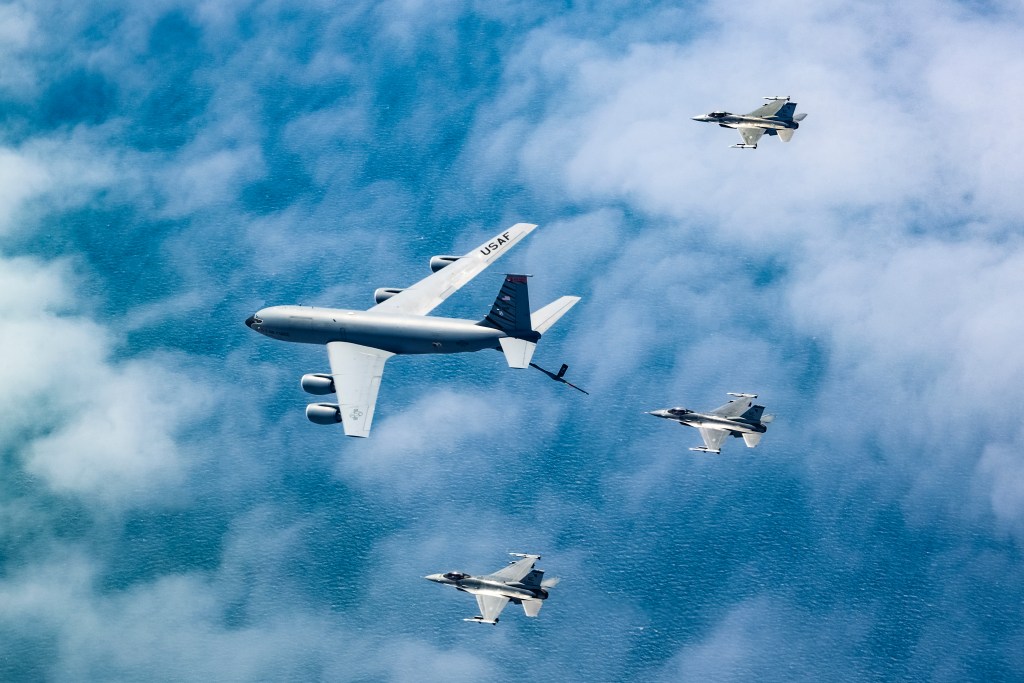
4 reasons why fuel threatens our lethality — and what we can do about it
It is time that fuel becomes a strategic imperative.
-
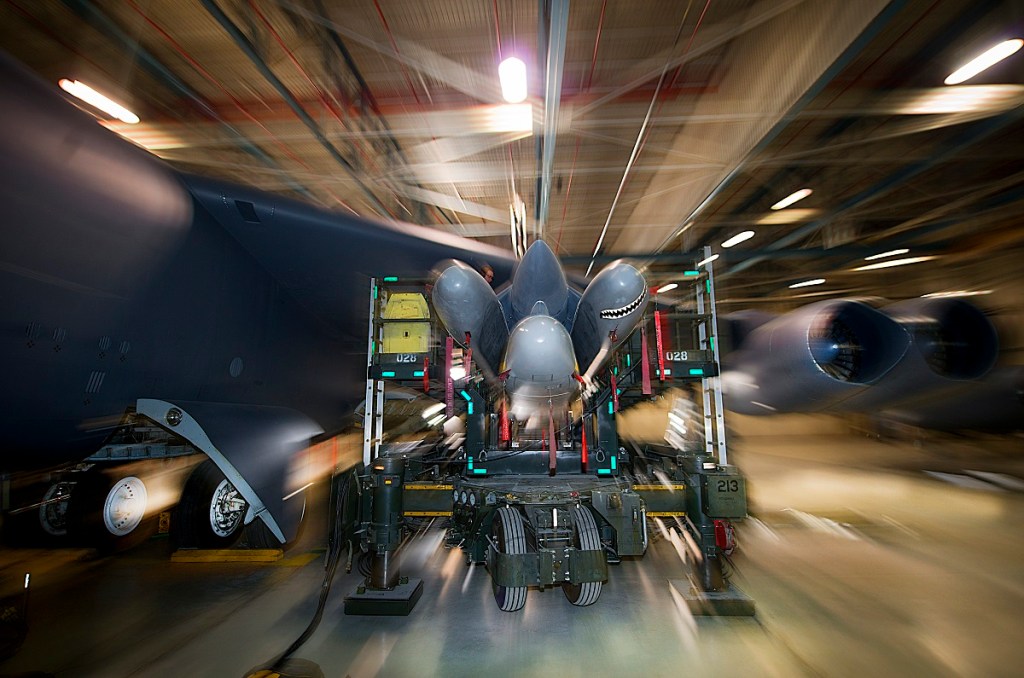
Can the direction of nuclear proliferation take a turn for the better?
The gap between offensive and defensive capabilities appears to have broadened toward offensive.
-
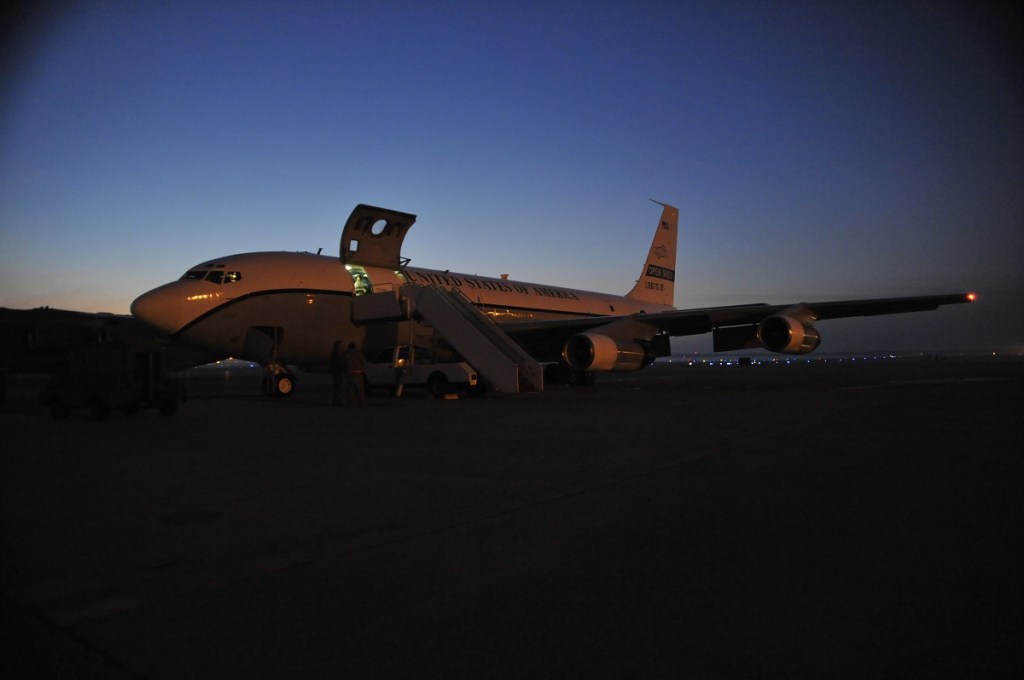
Why the Open Skies Treaty is a win for US security
Leaving the Open Skies Treaty would be a reckless and unnecessary step by the United States toward great power war.
-
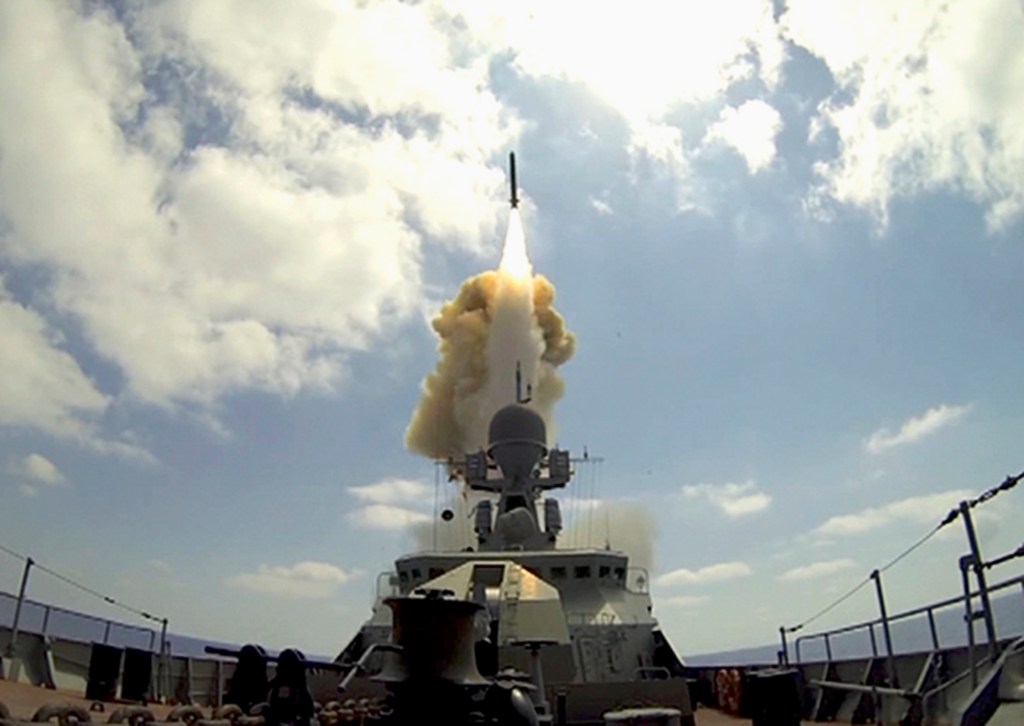
3 ways America can fix its vulnerability to cruise missiles
As China and Russia continue to develop and deploy advanced cruise missiles to threaten the United States, urgent action is required.
-

How acquisition reform can give the US a strategic advantage in space
It the U.S. wants to keep up with its near-peer competitors in space, the government needs to embrace the commercial space launch market and promote competition among providers.
-
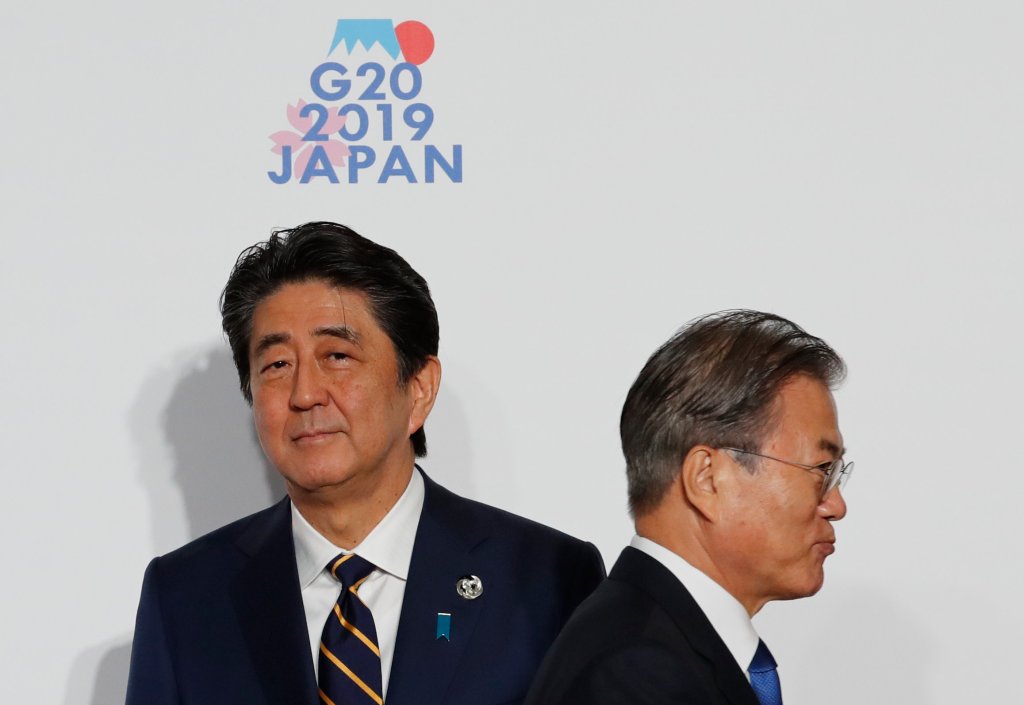
South Korea’s missile detection failure shows need for cooperation with Japan
Bilateral exchange of military intelligence is essential for South Korea and Japan to have common situational awareness.
-
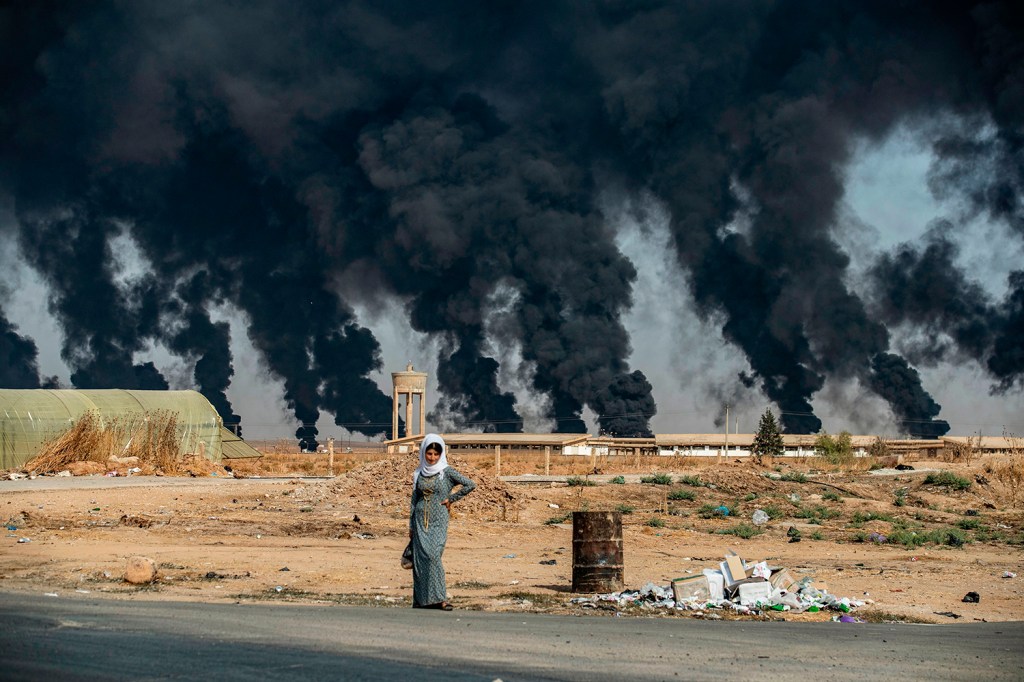
How the United States can ensure American weapons aren’t used for human rights abuses
The United States must ensure that arms sold to its allies aren’t used to enable abuses or significant humanitarian harm, says the author of this commentary.
-

A compromise is needed on trans-Atlantic defense cooperation
Flexibility on both sides of the Atlantic is needed to defuse an industrial issue before it becomes too difficult to manage.
-

Why US industry should be concerned about domestic policies
The U.S. needs to refocus on creating an environment that allows for international partnerships, and it needs to act now.
-
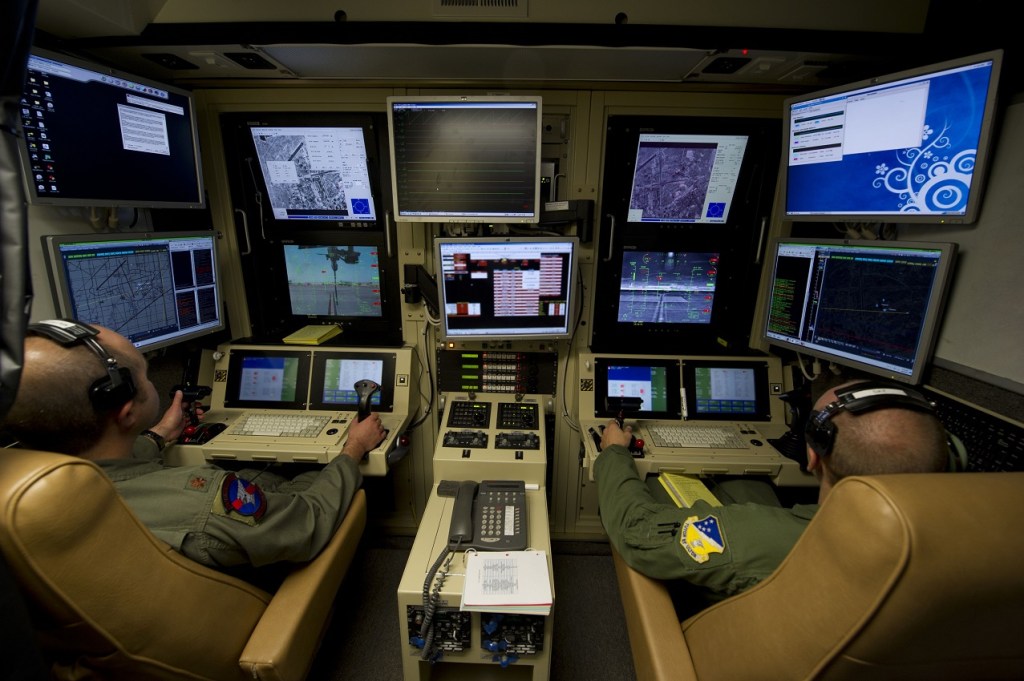
How airmen can work together for persistent ISR
The next step in the military’s shift to digital capabilities is to retool how we task, organize, and equip both intelligence collection and analytic crews.
-
4 reasons why fuel threatens our lethality — and what we can do about it
It is time that fuel becomes a strategic imperative.
-
Can the direction of nuclear proliferation take a turn for the better?
The gap between offensive and defensive capabilities appears to have broadened toward offensive.
-
Why the Open Skies Treaty is a win for US security
Leaving the Open Skies Treaty would be a reckless and unnecessary step by the United States toward great power war.
-
3 ways America can fix its vulnerability to cruise missiles
As China and Russia continue to develop and deploy advanced cruise missiles to threaten the United States, urgent action is required.
-
How acquisition reform can give the US a strategic advantage in space
It the U.S. wants to keep up with its near-peer competitors in space, the government needs to embrace the commercial space launch market and promote competition among providers.
-
South Korea’s missile detection failure shows need for cooperation with Japan
Bilateral exchange of military intelligence is essential for South Korea and Japan to have common situational awareness.
-
How the United States can ensure American weapons aren’t used for human rights abuses
The United States must ensure that arms sold to its allies aren’t used to enable abuses or significant humanitarian harm, says the author of this commentary.
-
A compromise is needed on trans-Atlantic defense cooperation
Flexibility on both sides of the Atlantic is needed to defuse an industrial issue before it becomes too difficult to manage.
-
Why US industry should be concerned about domestic policies
The U.S. needs to refocus on creating an environment that allows for international partnerships, and it needs to act now.
-
How airmen can work together for persistent ISR
The next step in the military’s shift to digital capabilities is to retool how we task, organize, and equip both intelligence collection and analytic crews.