-
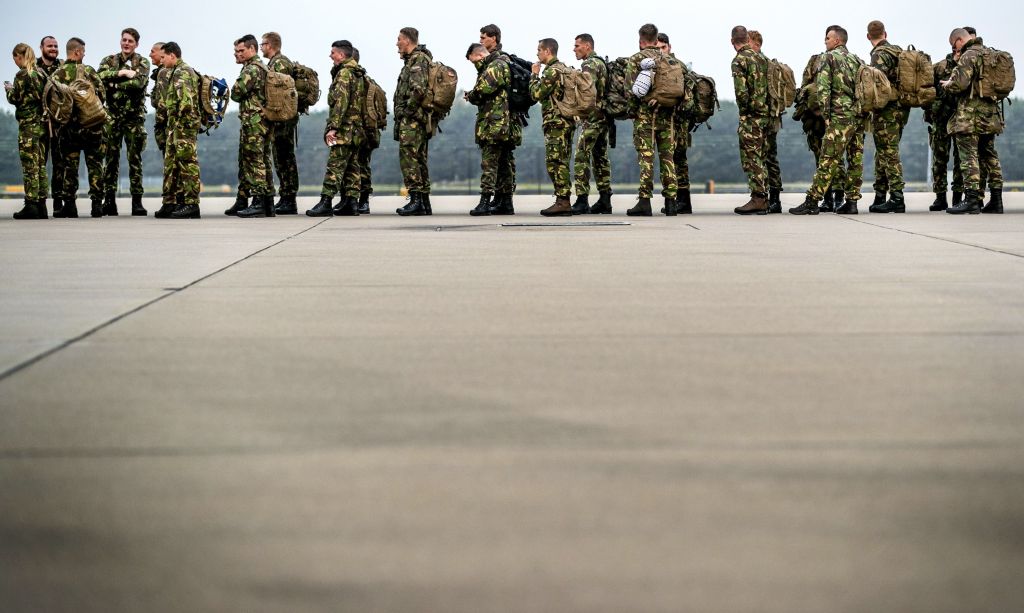
Four factors to consider in keeping NATO relevant
NATO has remained history’s strongest alliance precisely because it has adapted to new strategic conditions. It can do so again.
-
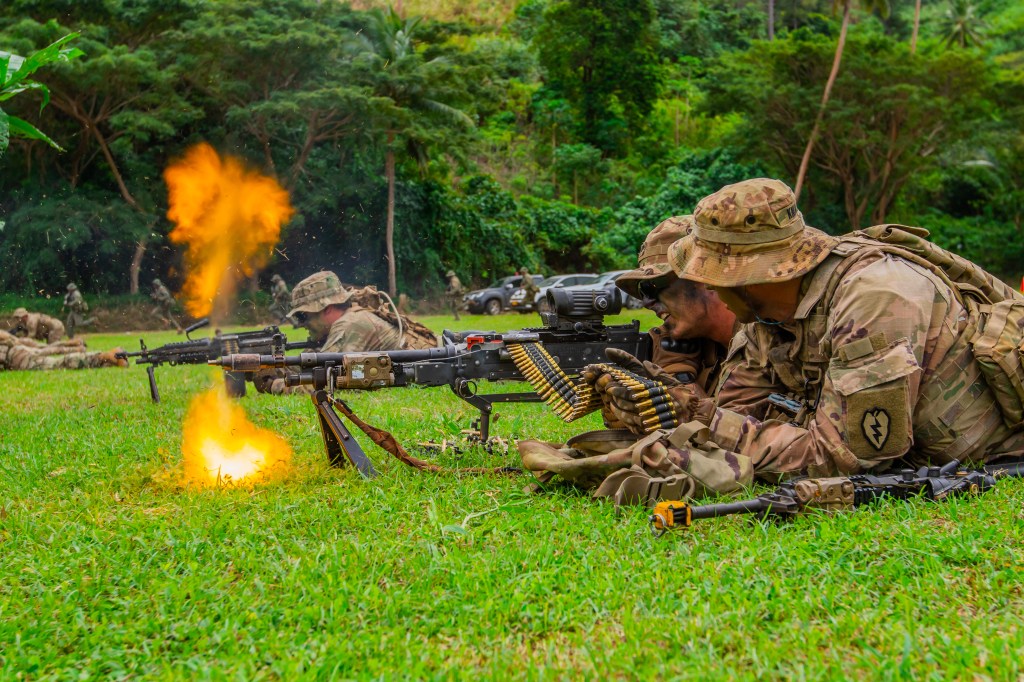
Bring US operational training and experimentation into the 21st century
Technology and tactics have evolved since the end of the Cold War, and it’s time training evolved as well.
-

Successful SM-3 weapons test offers missile defense opportunity
Congress should act now to ensure missile defense programs are sufficiently funded.
-

Why now is the time for zero trust in DoD cybersecurity
How can a zero-trust security model augment traditional cybersecurity approaches, and how can the Pentagon overcome the perceived challenges to adoption?
-

When China’s predatory investments go unnoticed
China is working tirelessly to control U.S. assets, and Congress must recognize this threat, according to a U.S. congressman.
-

Unlock AI to transform the Pentagon
Traditional approaches are inadequate to process the DoD’s massive amount of data and sources.
-
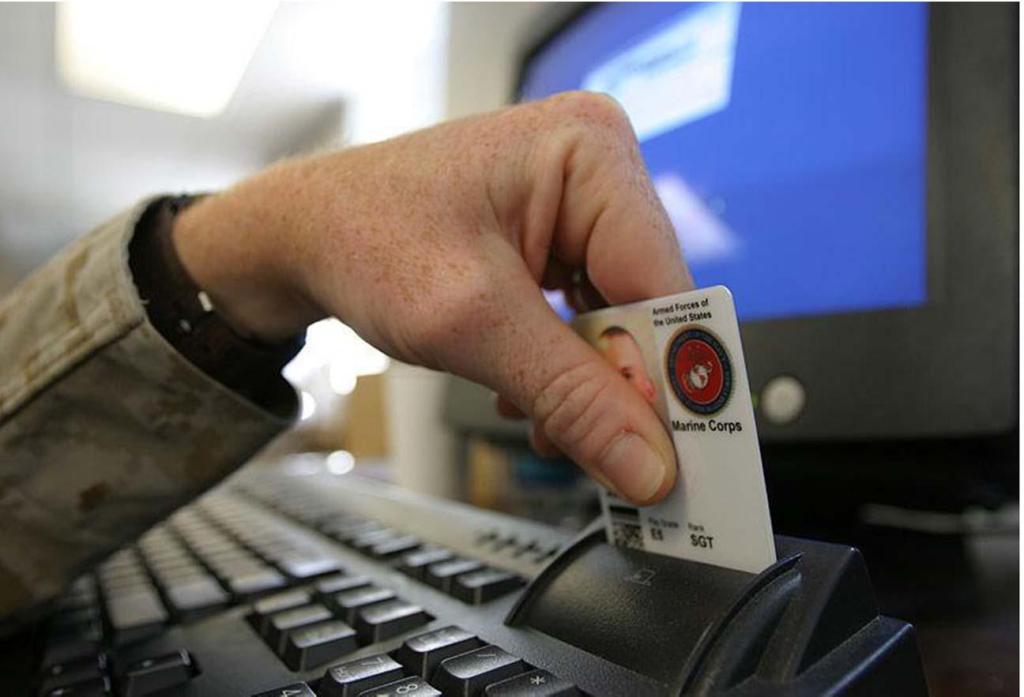
Preparing for a post-pandemic secure workplace at the Pentagon
What technology must the Pentagon adopt to ensure cybersecurity across its network?
-

Four steps Biden must take to reset the nuclear agenda
Creating a new generation of arms control agreements and other nuclear risk-reduction measures will not be easy.
-

Why defense firms need to get systematic about M&A — big and small
Those who act boldly will succeed in creating enduring businesses that can adapt to the evolving needs of the national defense.
-

Washington should chill out over Russia’s Arctic ambitions
American strategists should recognize that billions in Russian funds allocated to fund unarmed icebreakers could also have been spent on Russian aircraft carriers or on its submarine force.
-
Four factors to consider in keeping NATO relevant
NATO has remained history’s strongest alliance precisely because it has adapted to new strategic conditions. It can do so again.
-
Bring US operational training and experimentation into the 21st century
Technology and tactics have evolved since the end of the Cold War, and it’s time training evolved as well.
-
Successful SM-3 weapons test offers missile defense opportunity
Congress should act now to ensure missile defense programs are sufficiently funded.
-
Why now is the time for zero trust in DoD cybersecurity
How can a zero-trust security model augment traditional cybersecurity approaches, and how can the Pentagon overcome the perceived challenges to adoption?
-
When China’s predatory investments go unnoticed
China is working tirelessly to control U.S. assets, and Congress must recognize this threat, according to a U.S. congressman.
-
Unlock AI to transform the Pentagon
Traditional approaches are inadequate to process the DoD’s massive amount of data and sources.
-
Preparing for a post-pandemic secure workplace at the Pentagon
What technology must the Pentagon adopt to ensure cybersecurity across its network?
-
Four steps Biden must take to reset the nuclear agenda
Creating a new generation of arms control agreements and other nuclear risk-reduction measures will not be easy.
-
Why defense firms need to get systematic about M&A — big and small
Those who act boldly will succeed in creating enduring businesses that can adapt to the evolving needs of the national defense.
-
Washington should chill out over Russia’s Arctic ambitions
American strategists should recognize that billions in Russian funds allocated to fund unarmed icebreakers could also have been spent on Russian aircraft carriers or on its submarine force.