-
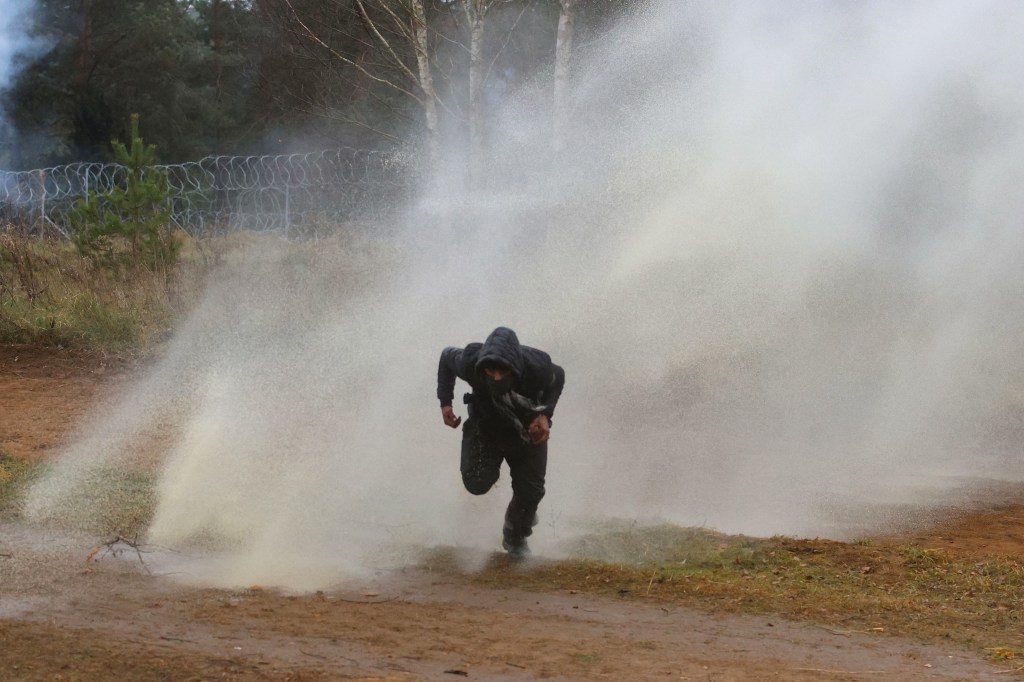
Swift trans-Atlantic action kept Turkey from fueling Belarus’ hybrid attacks
The threats of coordinated U.S.-EU sanctions against Turkish Airlines — although neither Washington nor Brussels has explicitly indicated that the airline is in their crosshairs — appear to have delivered immediate results.
-

‘Buy American’ is good for the US and strengthens our partnerships with allies
“Buy American” encourages our defense-industrial base to leverage taxpayer dollars to source more parts from American-made manufacturers and build more with U.S. labor.
-
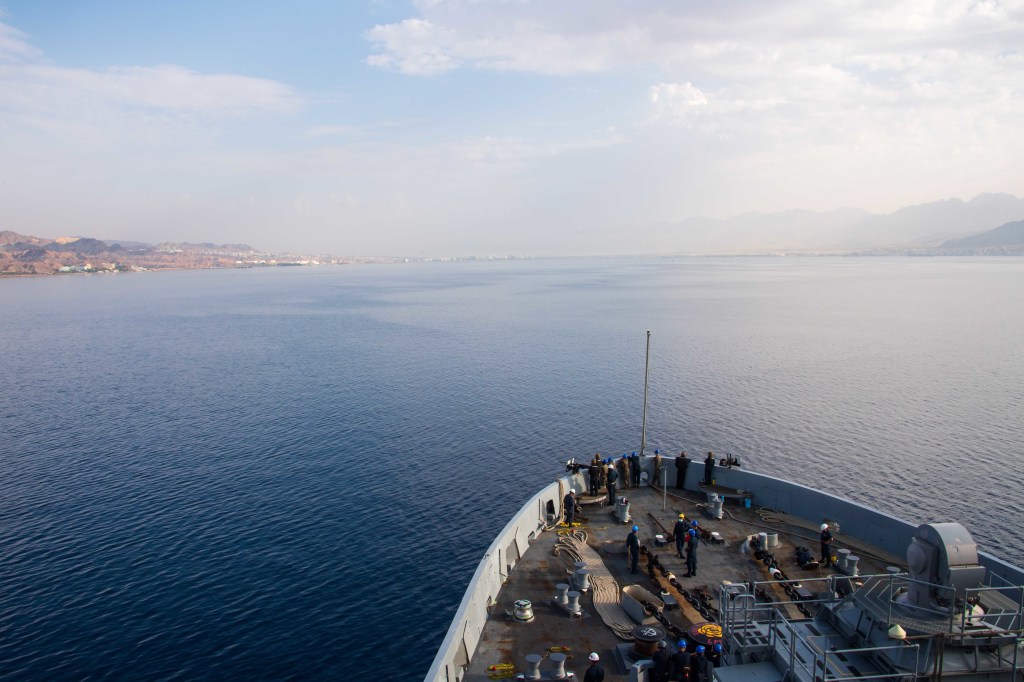
Expand Israel-Arab-US military drills to counter Iran and its proxies
The primary catalyst for this growing Israeli-Arab security cooperation is Iran’s continued efforts to sow instability and export terrorism throughout the Middle East.
-

Playing on the edges of empire: Special Operations Forces face uncertain future
Special Operations Forces units are made up of service members from every service.
-
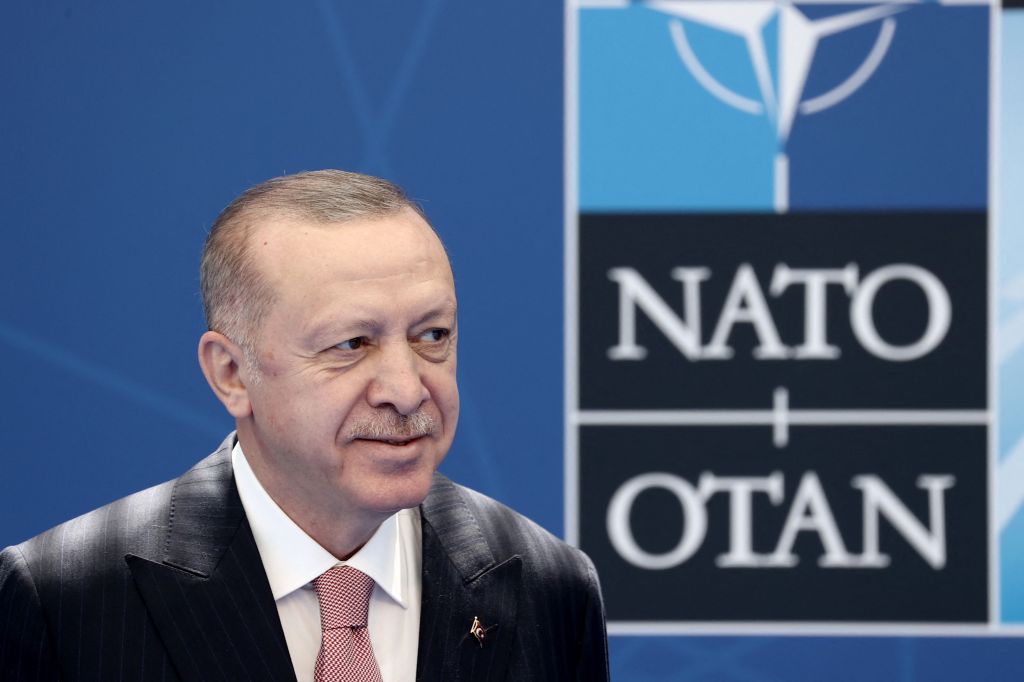
Countering Erdogan: What Biden must do for the sake of stability
The United States should apply political and economic pressure on Turkey through NATO, and expand bilateral security cooperation with Greece.
-
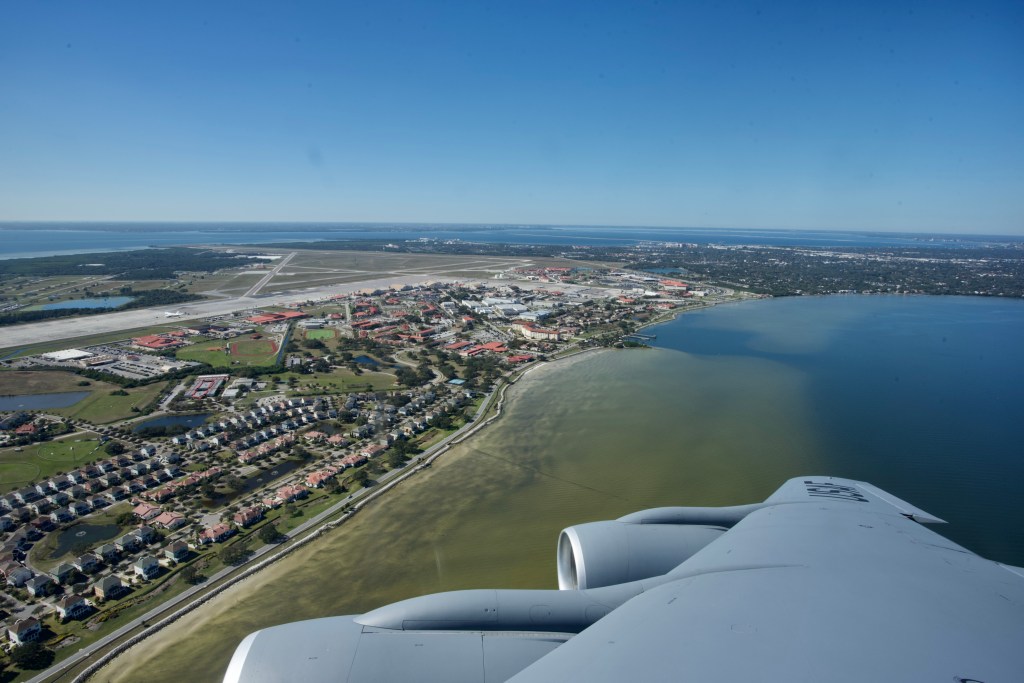
Climate change poses great risk for Florida’s military bases
The United States has ignored climate change and its impacts on outdated, inadequate infrastructure for far too long.
-
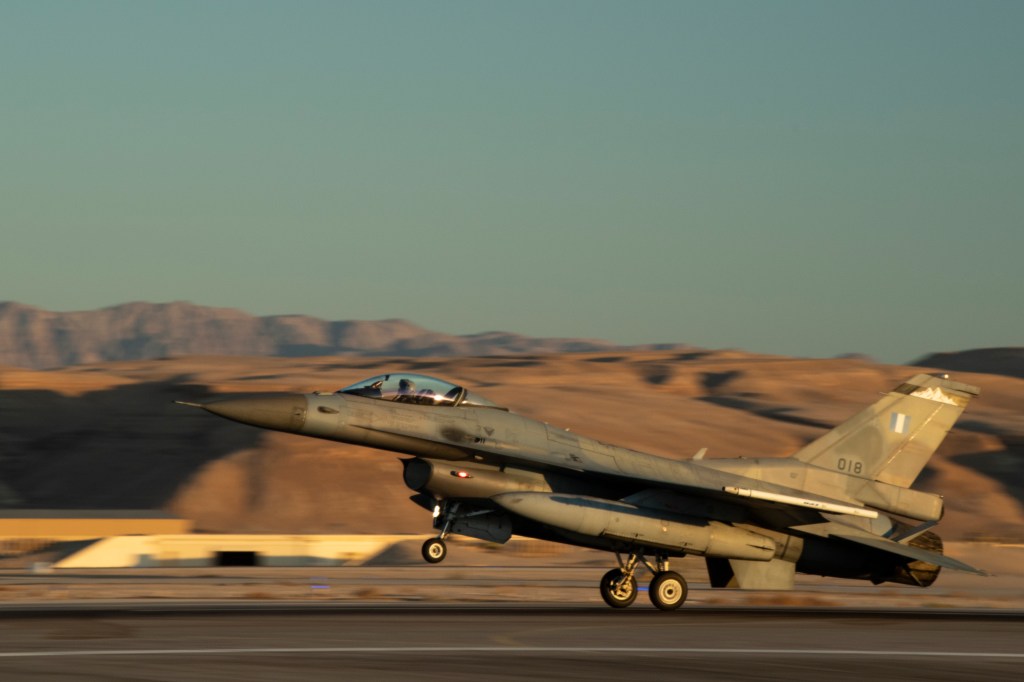
Blue Flag exercise has Israel’s enemies seeing red
We’re right to celebrate the success of Blue Flag 2021. But given the growing threats, we should already begin working on urgent next steps.
-

Will the US be begging on Bragg Boulevard again?
America must act now to invest in new weapons, divest legacy systems as the new ones come online, and harden our space and cyber assets.
-
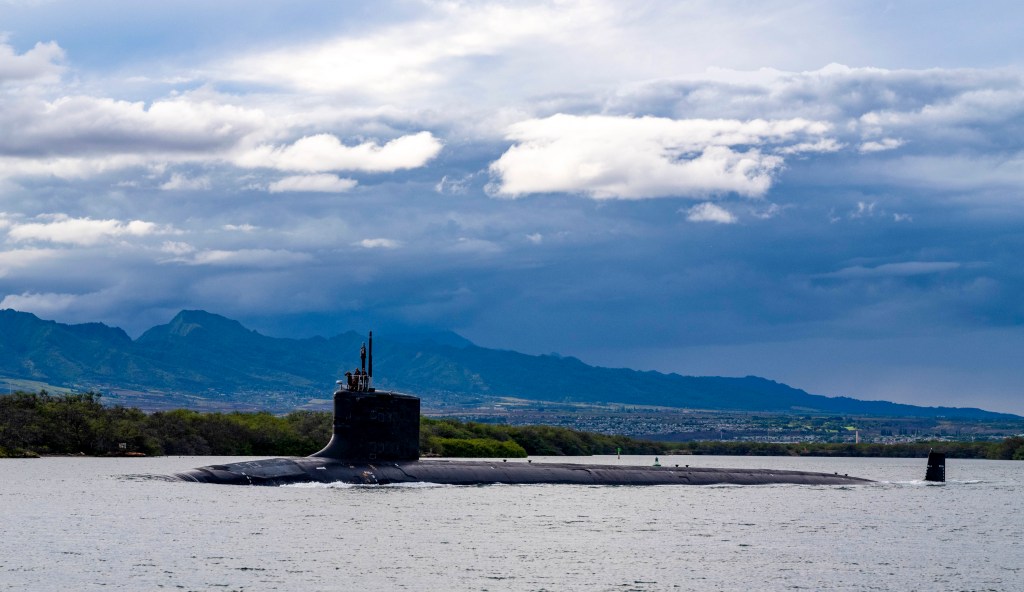
The unintended consequences of the AUKUS deal
A semi-permanent marriage between Russia’s military design genius and China’s industrial production acumen on large projects may be the most concerning legacy of the AUKUS deal.
-
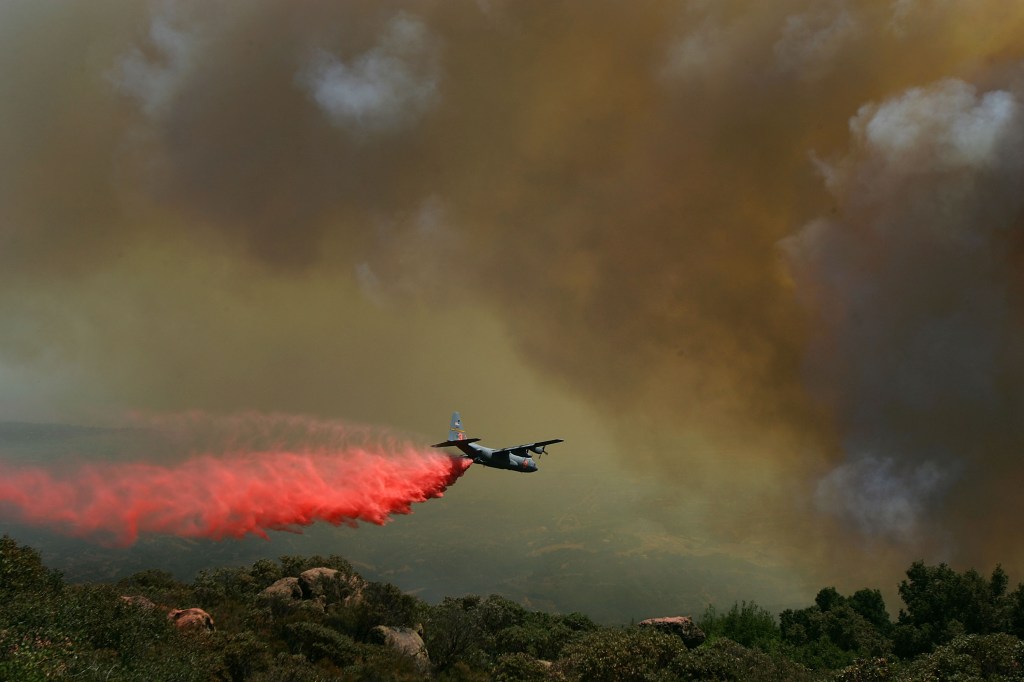
The Pentagon has to include climate risk in all of its plans and budgets
The Defense Department now recognizes climate change is a threat multiplier and must be incorporated into all aspects of defense strategy, planning and force posture.
-
Swift trans-Atlantic action kept Turkey from fueling Belarus’ hybrid attacks
The threats of coordinated U.S.-EU sanctions against Turkish Airlines — although neither Washington nor Brussels has explicitly indicated that the airline is in their crosshairs — appear to have delivered immediate results.
-
‘Buy American’ is good for the US and strengthens our partnerships with allies
“Buy American” encourages our defense-industrial base to leverage taxpayer dollars to source more parts from American-made manufacturers and build more with U.S. labor.
-
Expand Israel-Arab-US military drills to counter Iran and its proxies
The primary catalyst for this growing Israeli-Arab security cooperation is Iran’s continued efforts to sow instability and export terrorism throughout the Middle East.
-
Playing on the edges of empire: Special Operations Forces face uncertain future
Special Operations Forces units are made up of service members from every service.
-
Countering Erdogan: What Biden must do for the sake of stability
The United States should apply political and economic pressure on Turkey through NATO, and expand bilateral security cooperation with Greece.
-
Climate change poses great risk for Florida’s military bases
The United States has ignored climate change and its impacts on outdated, inadequate infrastructure for far too long.
-
Blue Flag exercise has Israel’s enemies seeing red
We’re right to celebrate the success of Blue Flag 2021. But given the growing threats, we should already begin working on urgent next steps.
-
Will the US be begging on Bragg Boulevard again?
America must act now to invest in new weapons, divest legacy systems as the new ones come online, and harden our space and cyber assets.
-
The unintended consequences of the AUKUS deal
A semi-permanent marriage between Russia’s military design genius and China’s industrial production acumen on large projects may be the most concerning legacy of the AUKUS deal.
-
The Pentagon has to include climate risk in all of its plans and budgets
The Defense Department now recognizes climate change is a threat multiplier and must be incorporated into all aspects of defense strategy, planning and force posture.