-

Demilitarize civilian cyber defense, and you’ll gain deterrence
By constantly flexing the military’s cyber muscles to defend the homeland from inbound criminal cyber activity, the public demand for a broad federal response to illegal cyber activity is satisfied. Still, over time, the potential adversary will understand our military’s offensive cyber operations’ tactics, techniques and procedures.
-
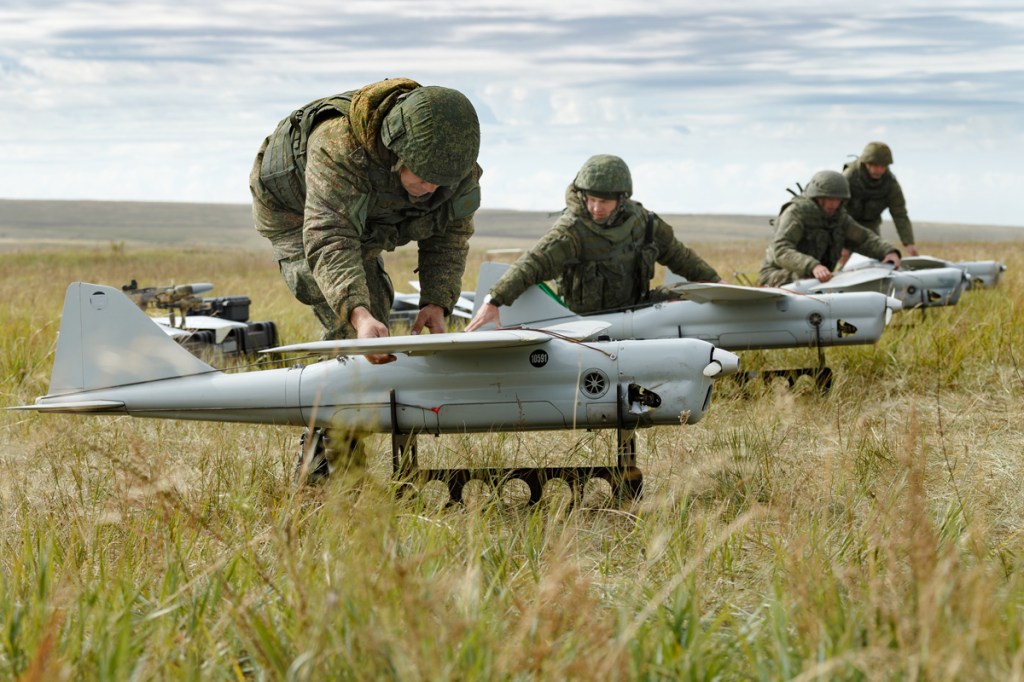
Low-flying threats challenge NATO’s deterrence in the East
In the event of a conflict with Russia, U.S. and NATO air forces will confront a contested air littoral — that is, the airspace between ground forces and high-end fighters and bombers.
-
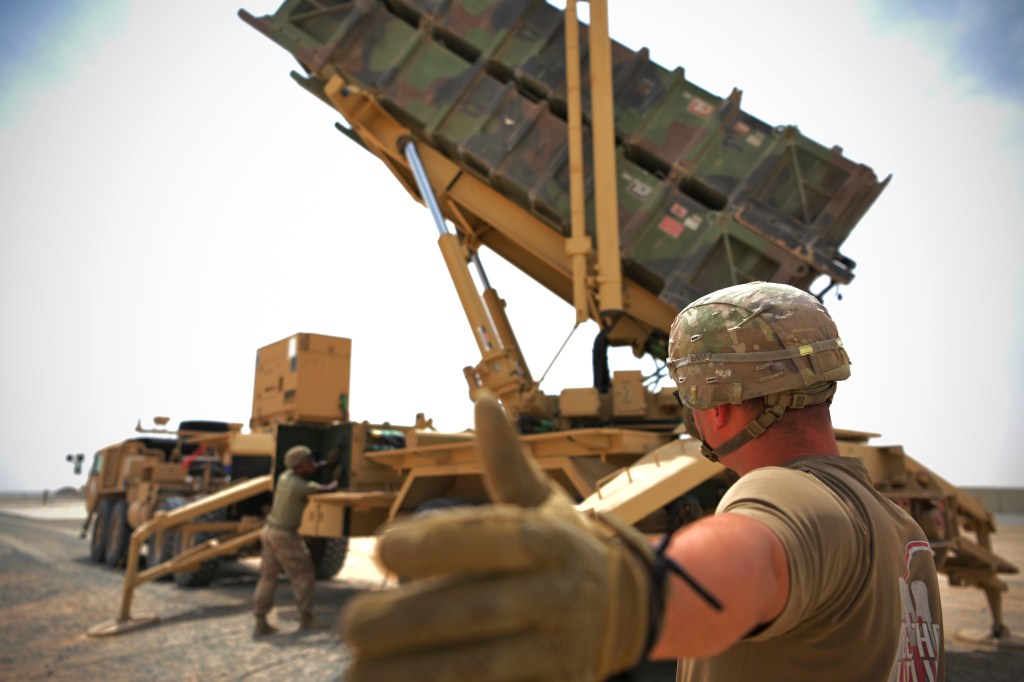
Here’s how the US can reestablish a measure of deterrence against Iran
Undue restraint in the face of aggression has been dangerously provocative and is becoming evermore so. It’s time for President Joe Biden to change course.
-
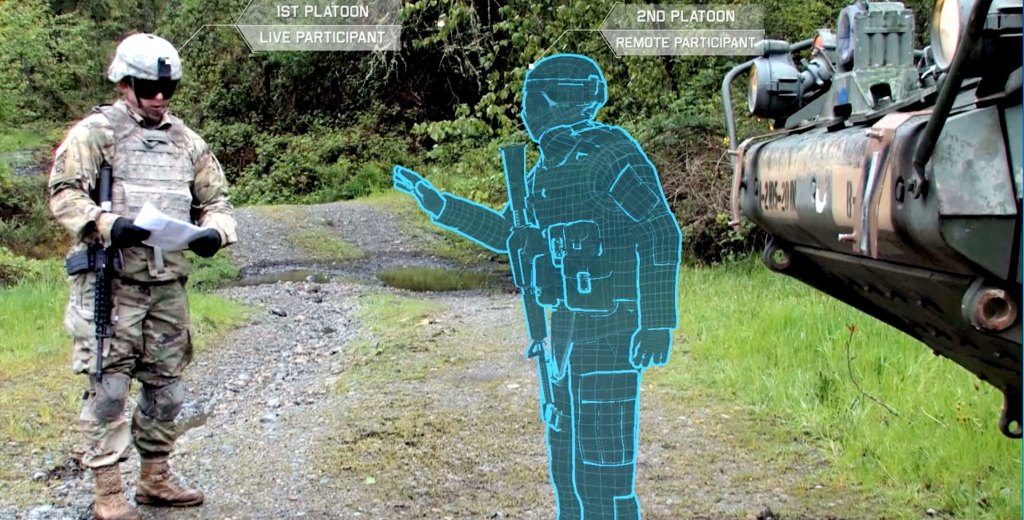
Five ways synthetic environments can benefit NATO
Predicting an adversary’s intentions and operational aims remains a thorny challenge.
-
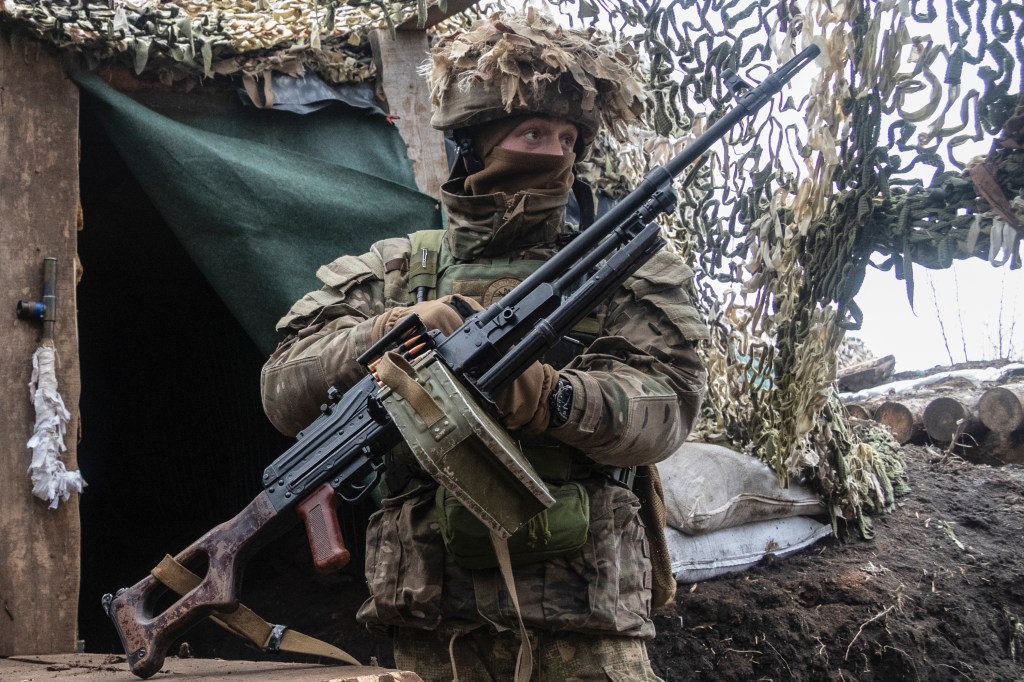
Germany helps Putin with its double standard on arms exports
Berlin should drop its double standard and join the NATO effort to support Kyiv with more than helmets.
-
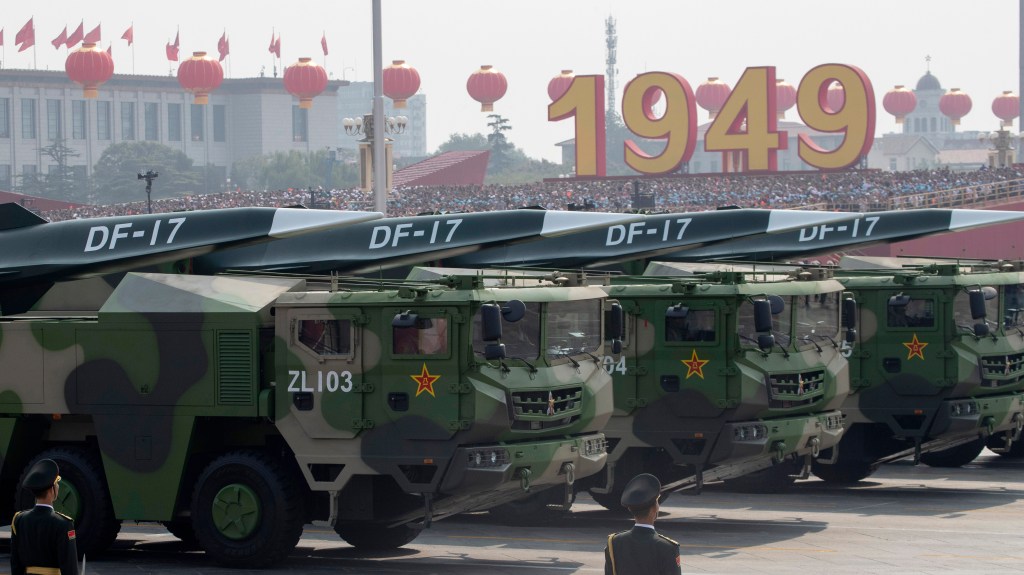
These seven principles could help DoD acquisition in the face of the China threat
The existing acquisition processes may not be best positioned to respond to the threat.
-

The United States must put the Navy first
But whatever happens in Ukraine, America’s strategic imperative is at sea. A look at the U.S. Navy — or at a map — makes clear the United States must keep its focus squarely on maritime competition and conflict.
-
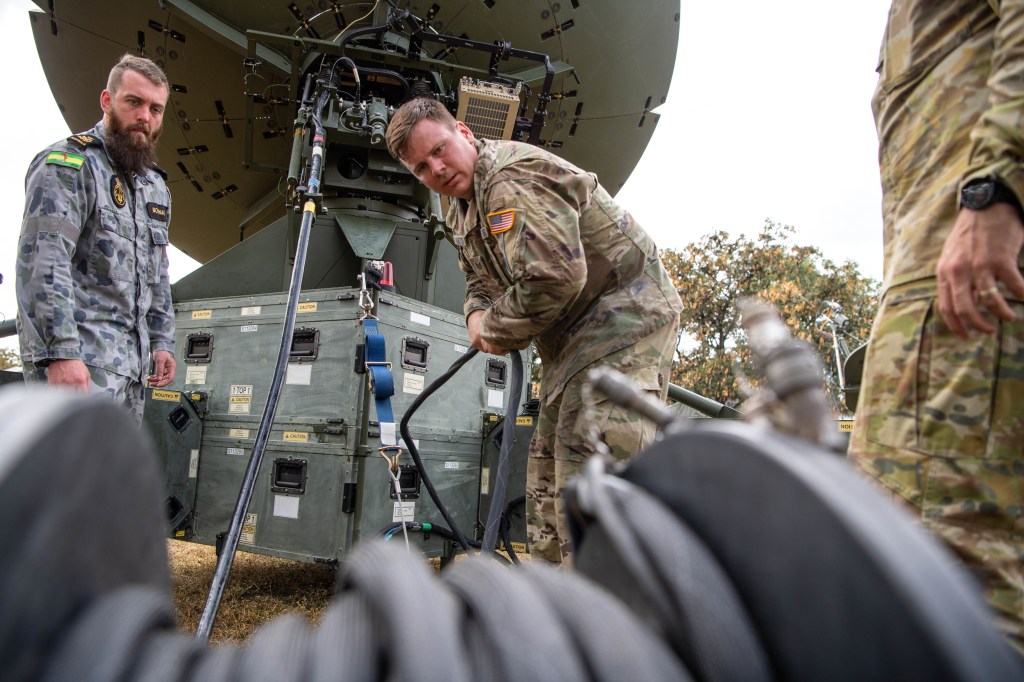
Empower our Space Force, just as we do for the other armed services
We need to look at what the Army, Navy, Air Force and Marine Corps demand to get their jobs done, and then resource the Space Force with equivalent capabilities.
-

The role of AI in open source intelligence
Today’s AI-enabled platforms empower intelligence analysts to leverage OSINT as the foundation that can help uncover hidden threats, corroborate classified reporting, and pinpoint the targets that warrant resource-intensive, traditional intelligence gathering.
-
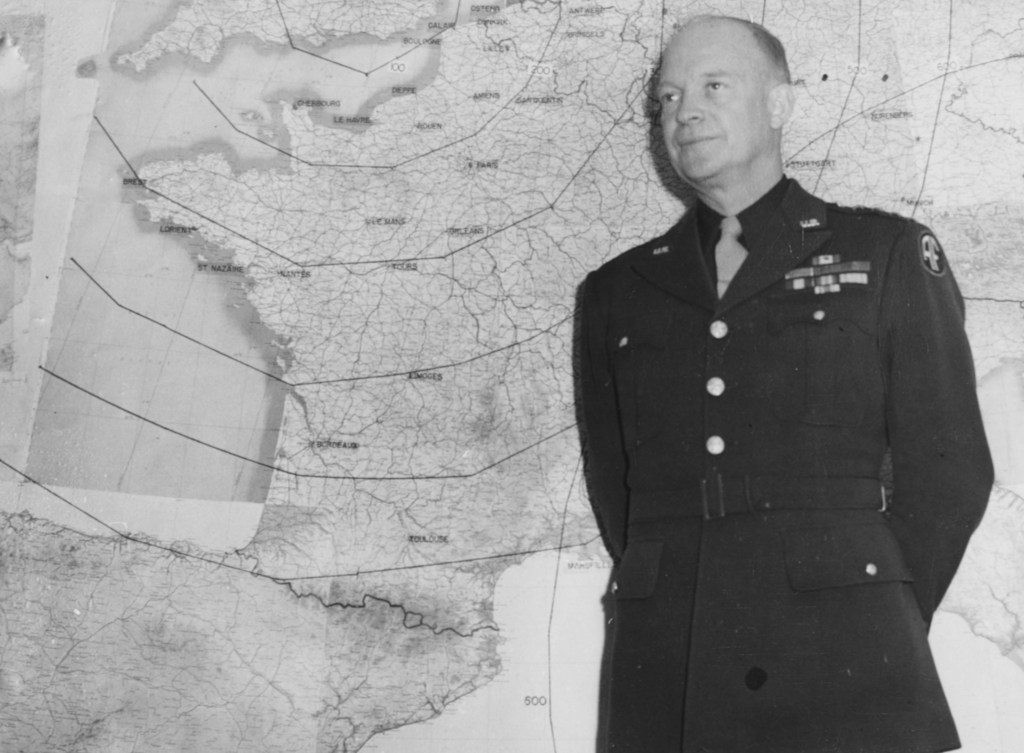
America needs a new grand strategy to navigate the 21st century
The administration needs a grand strategy that looks beyond potential sanctions and asks what elements comprise a posture that protects the security interests of the West and Ukraine, while satisfying Vladimir Putin’s desire to leave behind a legacy that in his mind makes Russia great again.
-
Demilitarize civilian cyber defense, and you’ll gain deterrence
By constantly flexing the military’s cyber muscles to defend the homeland from inbound criminal cyber activity, the public demand for a broad federal response to illegal cyber activity is satisfied. Still, over time, the potential adversary will understand our military’s offensive cyber operations’ tactics, techniques and procedures.
-
Low-flying threats challenge NATO’s deterrence in the East
In the event of a conflict with Russia, U.S. and NATO air forces will confront a contested air littoral — that is, the airspace between ground forces and high-end fighters and bombers.
-
Here’s how the US can reestablish a measure of deterrence against Iran
Undue restraint in the face of aggression has been dangerously provocative and is becoming evermore so. It’s time for President Joe Biden to change course.
-
Five ways synthetic environments can benefit NATO
Predicting an adversary’s intentions and operational aims remains a thorny challenge.
-
Germany helps Putin with its double standard on arms exports
Berlin should drop its double standard and join the NATO effort to support Kyiv with more than helmets.
-
These seven principles could help DoD acquisition in the face of the China threat
The existing acquisition processes may not be best positioned to respond to the threat.
-
The United States must put the Navy first
But whatever happens in Ukraine, America’s strategic imperative is at sea. A look at the U.S. Navy — or at a map — makes clear the United States must keep its focus squarely on maritime competition and conflict.
-
Empower our Space Force, just as we do for the other armed services
We need to look at what the Army, Navy, Air Force and Marine Corps demand to get their jobs done, and then resource the Space Force with equivalent capabilities.
-
The role of AI in open source intelligence
Today’s AI-enabled platforms empower intelligence analysts to leverage OSINT as the foundation that can help uncover hidden threats, corroborate classified reporting, and pinpoint the targets that warrant resource-intensive, traditional intelligence gathering.
-
America needs a new grand strategy to navigate the 21st century
The administration needs a grand strategy that looks beyond potential sanctions and asks what elements comprise a posture that protects the security interests of the West and Ukraine, while satisfying Vladimir Putin’s desire to leave behind a legacy that in his mind makes Russia great again.