-

A win, a miss and a path to stronger digital authentication
The NCSIP introduces a dedicated segment for policy reviews, ensuring an adaptive strategy that remains in sync with an evolving cybersecurity landscape.
-
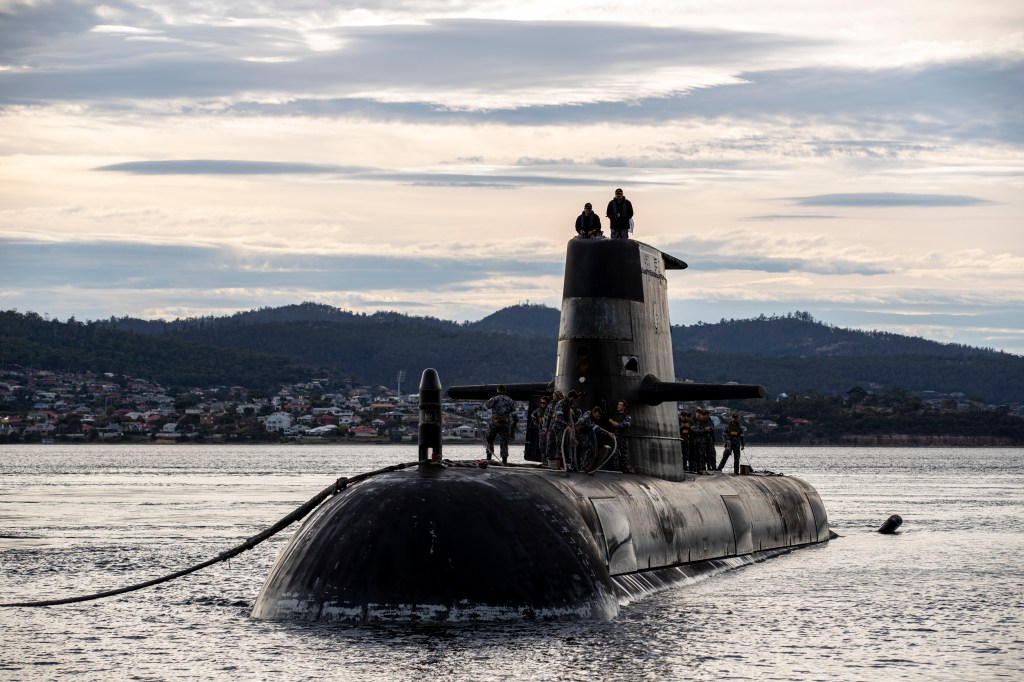
AUKUS succeeds if US eases defense regulations for allies
The greater risk to our own national security is continuing to treat our technology as too precious to share.
-

Three ways a technological revolution will impact the intel community
A technological revolution is set to hit the intelligence community hard, and in three earth-shaking ways.
-

How Washington can lead from behind in Europe
The success of U.S. support to Ukraine from afar can serve as a blueprint for backing up Europe militarily, argues political scientist Kyle Haynes.
-

To innovate, DoD must be allowed to move faster
The Pentagon needs Congress to allow it to move more quickly in adopting new technologies.
-

ChatGPT is creating new risks for national security
AI-generated content can exhibit a phenomenon known as “truthiness.”
-
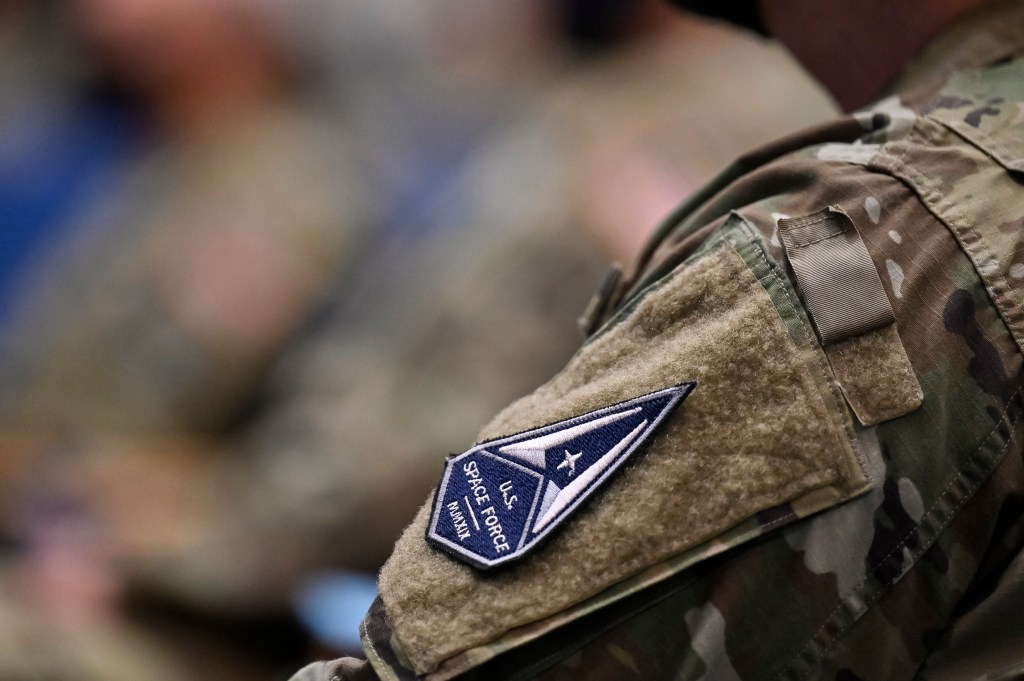
Who will defend critical space infrastructure if not the Space Force?
While some may think a scenario of attack and seizure of commercial and allied spacecraft seems like science fiction, it is a common reality.
-
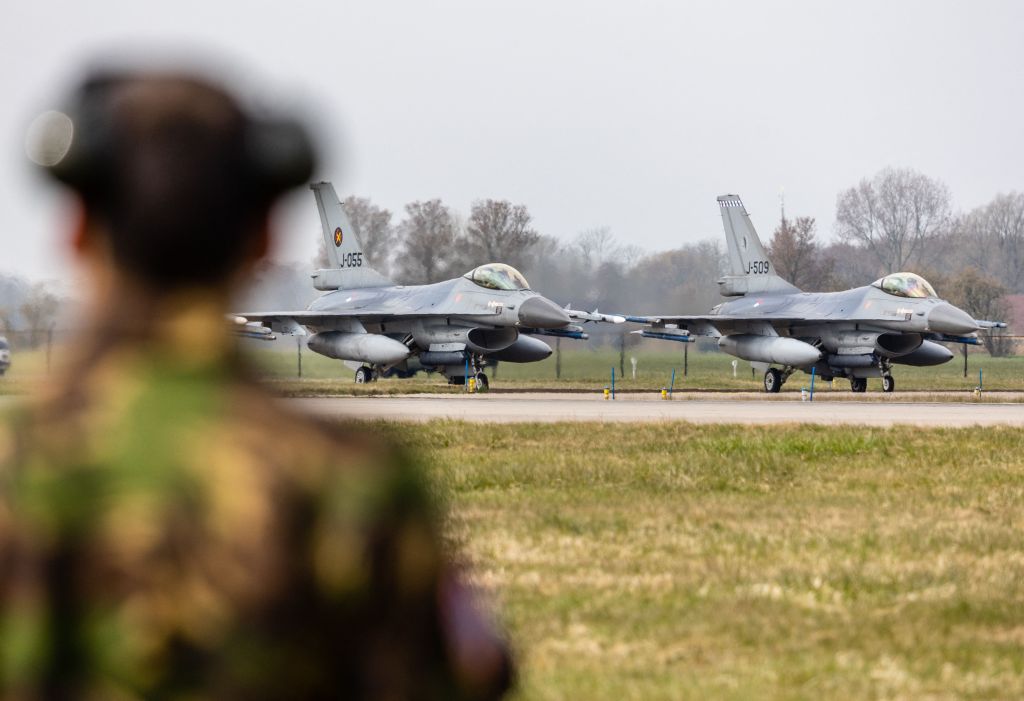
Ukraine’s push for F-16s risks a battlefield advantage: simplicity
Ukraine’s battlefield success rests on continuing to deny air superiority to Russia, not achieving air superiority outright, two U.S. issue experts argue.
-

Russia’s war could reshape the global arms market in favor of China
China has the opportunity, the incentive and the capacity to gain from Russia’s losses.
-

NATO’s task in Vilnius is simple: Transform European defense
European forces are not fit for purpose to conduct the collective defense missions that now drive NATO’s military and force planning.
-
A win, a miss and a path to stronger digital authentication
The NCSIP introduces a dedicated segment for policy reviews, ensuring an adaptive strategy that remains in sync with an evolving cybersecurity landscape.
-
AUKUS succeeds if US eases defense regulations for allies
The greater risk to our own national security is continuing to treat our technology as too precious to share.
-
Three ways a technological revolution will impact the intel community
A technological revolution is set to hit the intelligence community hard, and in three earth-shaking ways.
-
How Washington can lead from behind in Europe
The success of U.S. support to Ukraine from afar can serve as a blueprint for backing up Europe militarily, argues political scientist Kyle Haynes.
-
To innovate, DoD must be allowed to move faster
The Pentagon needs Congress to allow it to move more quickly in adopting new technologies.
-
ChatGPT is creating new risks for national security
AI-generated content can exhibit a phenomenon known as “truthiness.”
-
Who will defend critical space infrastructure if not the Space Force?
While some may think a scenario of attack and seizure of commercial and allied spacecraft seems like science fiction, it is a common reality.
-
Ukraine’s push for F-16s risks a battlefield advantage: simplicity
Ukraine’s battlefield success rests on continuing to deny air superiority to Russia, not achieving air superiority outright, two U.S. issue experts argue.
-
Russia’s war could reshape the global arms market in favor of China
China has the opportunity, the incentive and the capacity to gain from Russia’s losses.
-
NATO’s task in Vilnius is simple: Transform European defense
European forces are not fit for purpose to conduct the collective defense missions that now drive NATO’s military and force planning.