-

Think the Sentinel nuclear program is pricey? Try living without it.
Budgets are tight, which means every defense dollar counts, but the program should not be thought of as “unaffordable,” given the stakes.
-
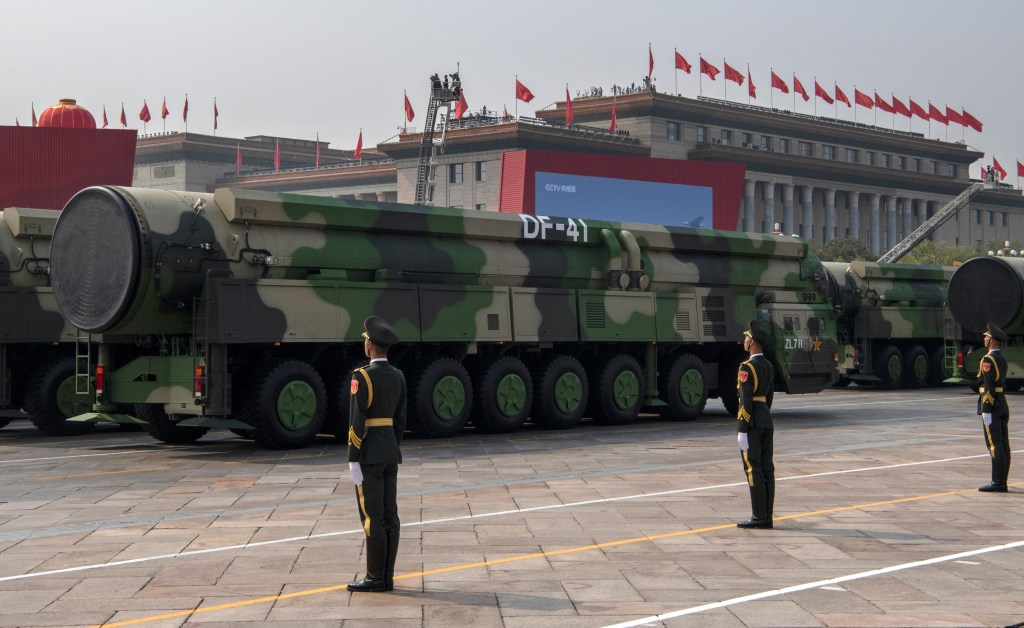
Corruption in China’s military is no excuse for American complacency
American policymakers should not bet on corruption to hamstring PLA modernization.
-
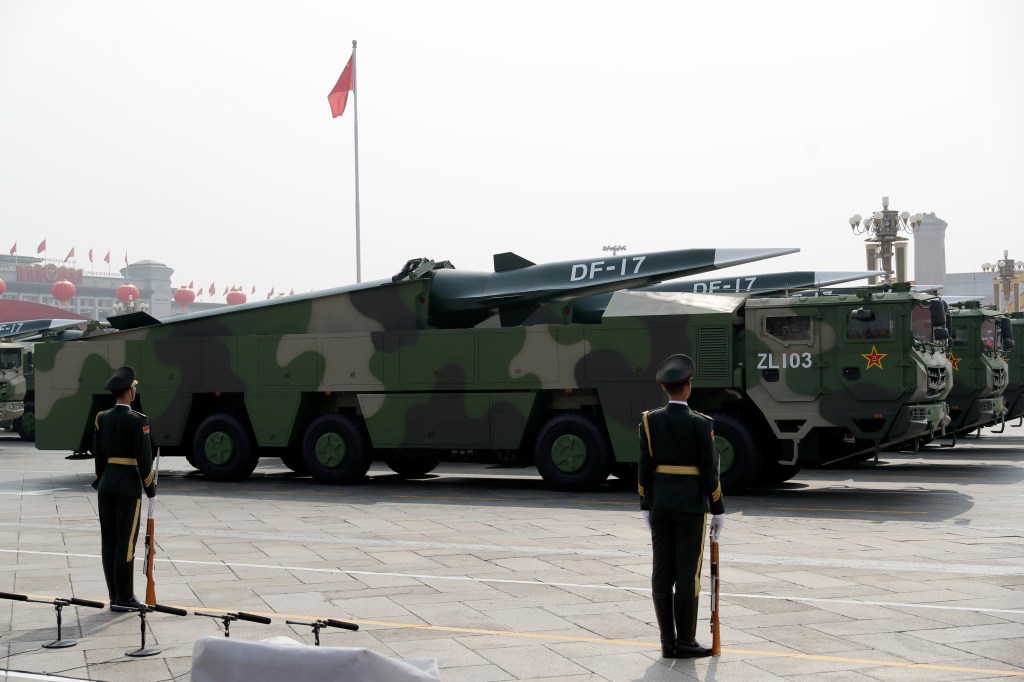
The US is failing to quickly field hypersonic missile defense
If Washington does not act quickly to expedite the Pentagon’s fielding of hypersonic missile defense capabilities, deterrence may fail in the Pacific.
-
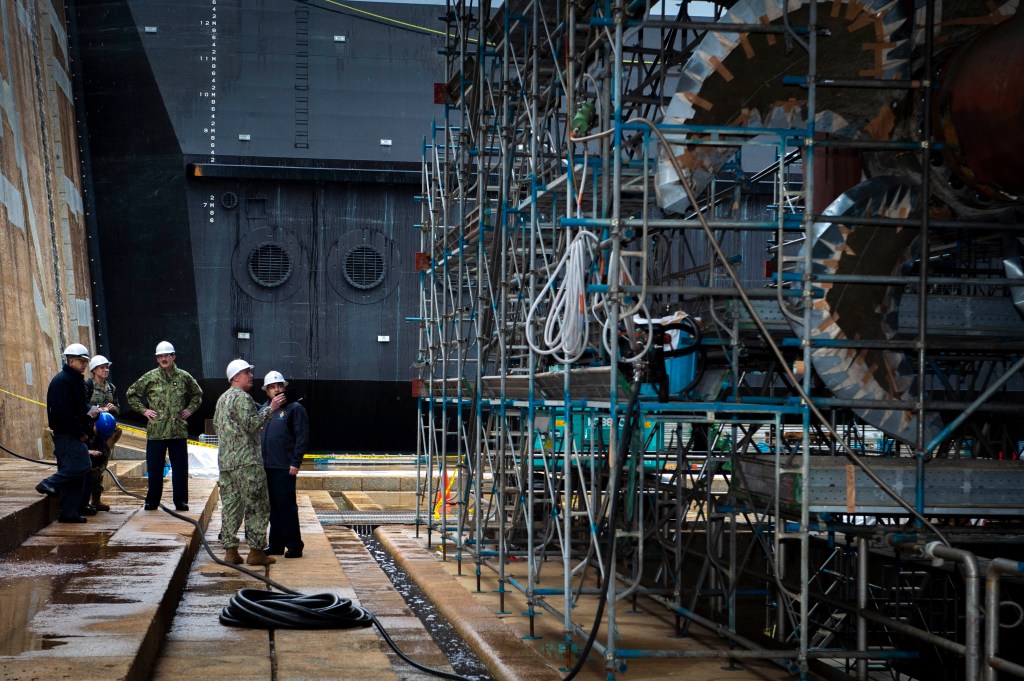
Repair deployed ships in theater to optimize combat power
Vast ocean distances that take weeks to traverse make the ability to regenerate forces quickly a critical enabler for mission success.
-
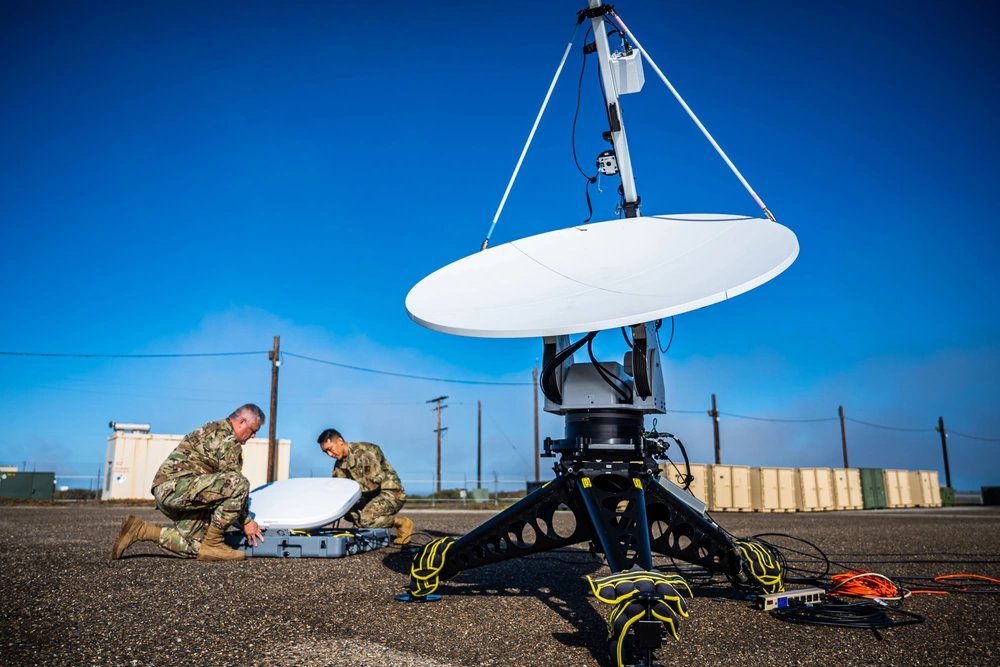
US Space Force needs more to effectively deter, win wars
The Space Force was established to address the threat in space, not to be the help desk of the other services.
-
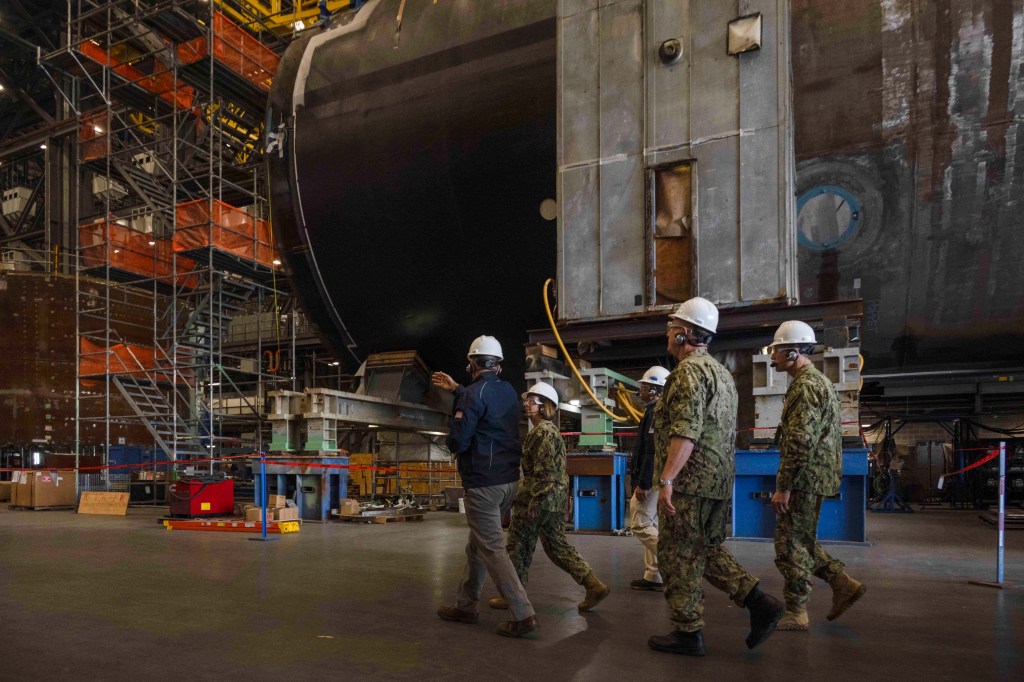
Pentagon’s industrial strategy describes the problem, not the solution
The new strategy contains useful words about the problem. Those words must be quickly put into measurable and funded actions.
-
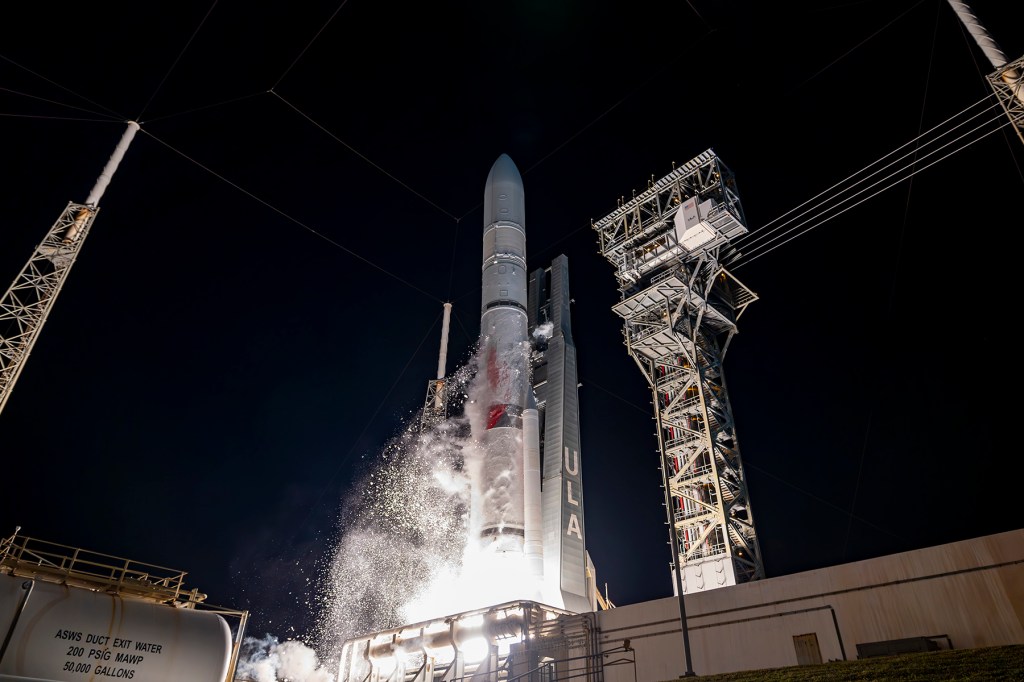
How the US replaced Russia’s RD-180 engine, strengthening competition
The Vulcan launch and engine development should be considered a success story for U.S. industrial policy.
-

Curbing reliance on foreign critical minerals starts with mining in US
The China Commerce Ministry recently imposed export controls on gallium and germanium, minerals essential for computer chips and solar panels.
-

The DoD is getting its innovation act together, but more can be done
The DoD is awake. It has realized new and escalating threats require rapid change, or we may not prevail in the next conflict.
-
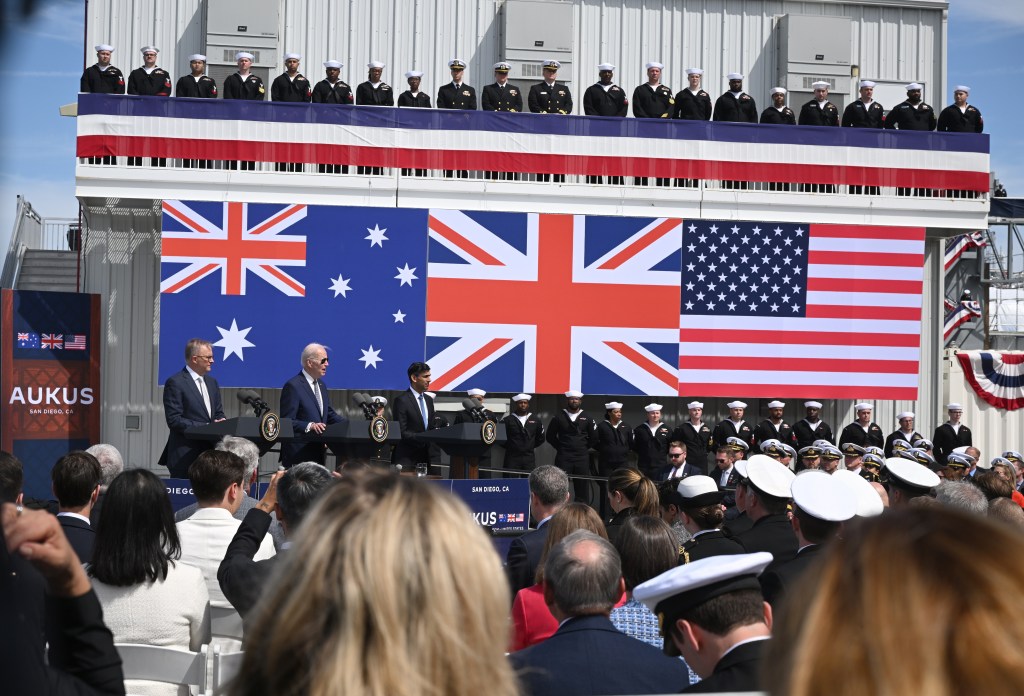
Add it to the list: Three more considerations for AUKUS
Focus on the smaller and solvable items first, or AUKUS may just fizzle out.
-
Think the Sentinel nuclear program is pricey? Try living without it.
Budgets are tight, which means every defense dollar counts, but the program should not be thought of as “unaffordable,” given the stakes.
-
Corruption in China’s military is no excuse for American complacency
American policymakers should not bet on corruption to hamstring PLA modernization.
-
The US is failing to quickly field hypersonic missile defense
If Washington does not act quickly to expedite the Pentagon’s fielding of hypersonic missile defense capabilities, deterrence may fail in the Pacific.
-
Repair deployed ships in theater to optimize combat power
Vast ocean distances that take weeks to traverse make the ability to regenerate forces quickly a critical enabler for mission success.
-
US Space Force needs more to effectively deter, win wars
The Space Force was established to address the threat in space, not to be the help desk of the other services.
-
Pentagon’s industrial strategy describes the problem, not the solution
The new strategy contains useful words about the problem. Those words must be quickly put into measurable and funded actions.
-
How the US replaced Russia’s RD-180 engine, strengthening competition
The Vulcan launch and engine development should be considered a success story for U.S. industrial policy.
-
Curbing reliance on foreign critical minerals starts with mining in US
The China Commerce Ministry recently imposed export controls on gallium and germanium, minerals essential for computer chips and solar panels.
-
The DoD is getting its innovation act together, but more can be done
The DoD is awake. It has realized new and escalating threats require rapid change, or we may not prevail in the next conflict.
-
Add it to the list: Three more considerations for AUKUS
Focus on the smaller and solvable items first, or AUKUS may just fizzle out.