-

The next arsenal of democracy: Send partners low-cost drone components
Helping free societies build swarms of low-cost drones can play a central role in retooling foreign military assistance.
-

It’s time to appreciate energy’s influence upon sea power
Here are four moves that could build energy resilience and maximize efficiencies in the U.S. Navy’s fleet.
-

Congress’ FY24 budget must help the microelectronics industry
Modern weapons systems contain a technology stack consisting of semiconductors, integrated circuit substrates and printed circuit boards.
-

To achieve Replicator, the Pentagon should mirror Unmanned Task Force
Disruptive innovation inside any large organization is extremely hard. Few organizations have shown they can sustain disruptive innovation over time.
-

Three directions the US defense budget could go
Battles over border security, as well as aid for Ukraine, Israel and Taiwan, make the outcome for the FY25 defense budget difficult to predict.
-

To keep pace, the Pentagon needs a new way to plan its budget
The PBBE process is no longer able to keep up with the pace of innovation and the complexity of growing national defense threats.
-
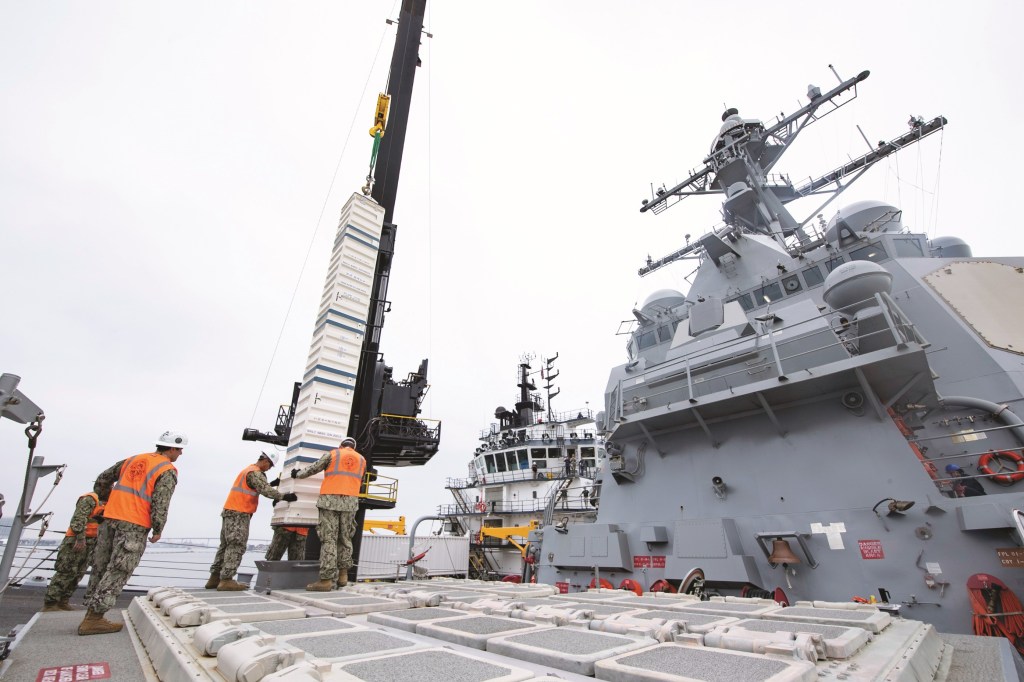
Rearming US Navy ships at sea is no longer an option, but a necessity
Fortunately, rearming VLS cells at sea is not an impossible engineering problem.
-
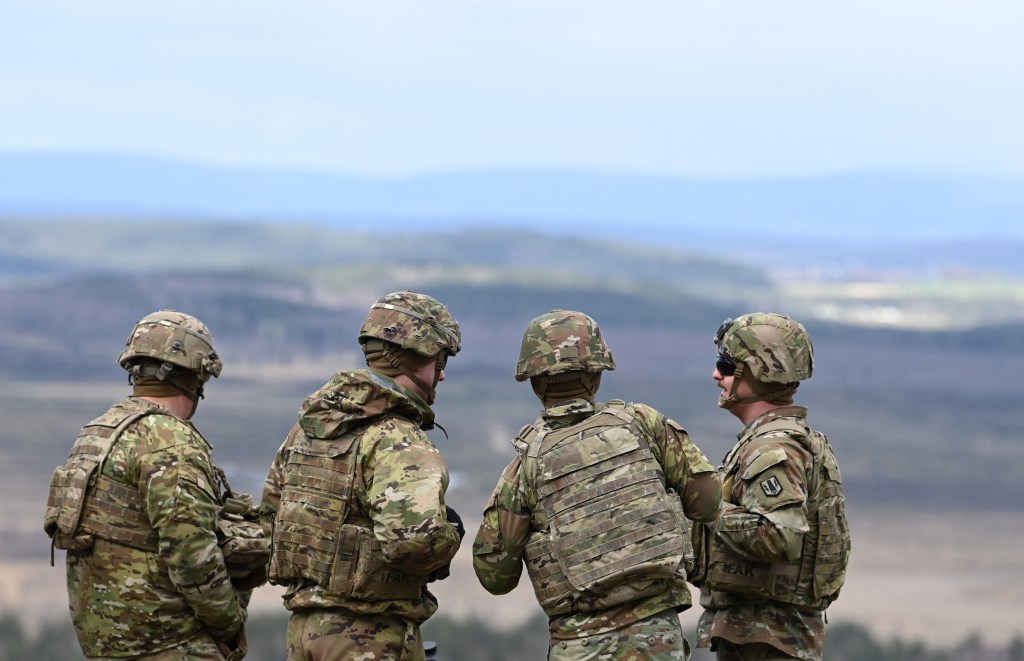
How Europe can build its defense while maintaining US support
Europe sought “autonomy” without providing adequate defense resources, while the U.S. wanted more European defense contributions without losing influence.
-

How to hold Ukraine over until Congress passes more aid funding
Washington still retains the authority to give Kyiv more than $4 billion worth of materiel from U.S. stocks.
-

Can Biden’s new arms policy lead to real accountability for Israel?
This new memorandum could — and hopefully will — help operationalize important existing law and lead to new points of leverage over Israeli operations.
-
The next arsenal of democracy: Send partners low-cost drone components
Helping free societies build swarms of low-cost drones can play a central role in retooling foreign military assistance.
-
It’s time to appreciate energy’s influence upon sea power
Here are four moves that could build energy resilience and maximize efficiencies in the U.S. Navy’s fleet.
-
Congress’ FY24 budget must help the microelectronics industry
Modern weapons systems contain a technology stack consisting of semiconductors, integrated circuit substrates and printed circuit boards.
-
To achieve Replicator, the Pentagon should mirror Unmanned Task Force
Disruptive innovation inside any large organization is extremely hard. Few organizations have shown they can sustain disruptive innovation over time.
-
Three directions the US defense budget could go
Battles over border security, as well as aid for Ukraine, Israel and Taiwan, make the outcome for the FY25 defense budget difficult to predict.
-
To keep pace, the Pentagon needs a new way to plan its budget
The PBBE process is no longer able to keep up with the pace of innovation and the complexity of growing national defense threats.
-
Rearming US Navy ships at sea is no longer an option, but a necessity
Fortunately, rearming VLS cells at sea is not an impossible engineering problem.
-
How Europe can build its defense while maintaining US support
Europe sought “autonomy” without providing adequate defense resources, while the U.S. wanted more European defense contributions without losing influence.
-
How to hold Ukraine over until Congress passes more aid funding
Washington still retains the authority to give Kyiv more than $4 billion worth of materiel from U.S. stocks.
-
Can Biden’s new arms policy lead to real accountability for Israel?
This new memorandum could — and hopefully will — help operationalize important existing law and lead to new points of leverage over Israeli operations.