-
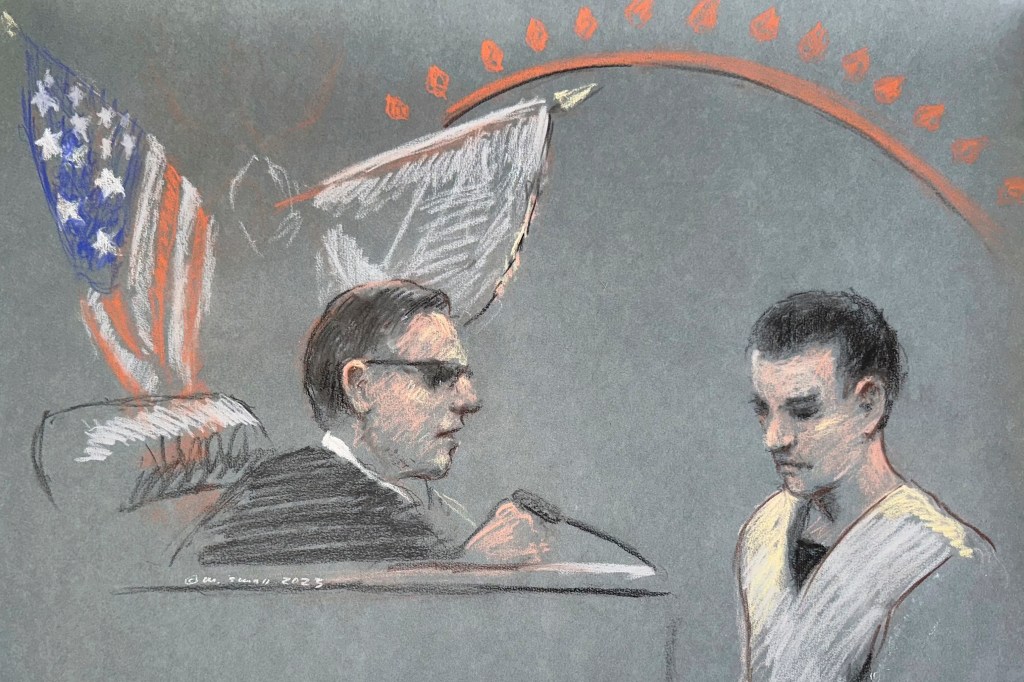
Zero trust would have helped prevent Pentagon leak, CIO Sherman says
“This is something we’ve grappled with for years,” Pentagon CIO John Sherman said. “We had the Snowden disclosures nearly 10 years ago.”
-
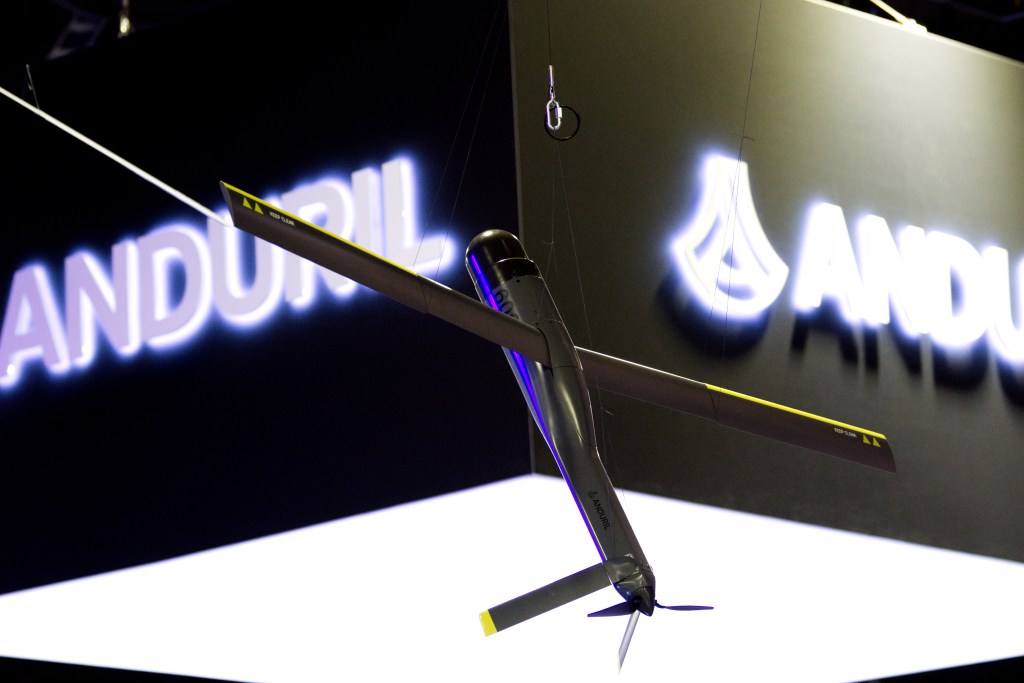
Anduril unveils software to manage hordes of drones
U.S. Air Force officials foresee battles dominated by man-unmanned teaming and the Navy, likewise, envisions a future fleet teeming with uncrewed vessels.
-
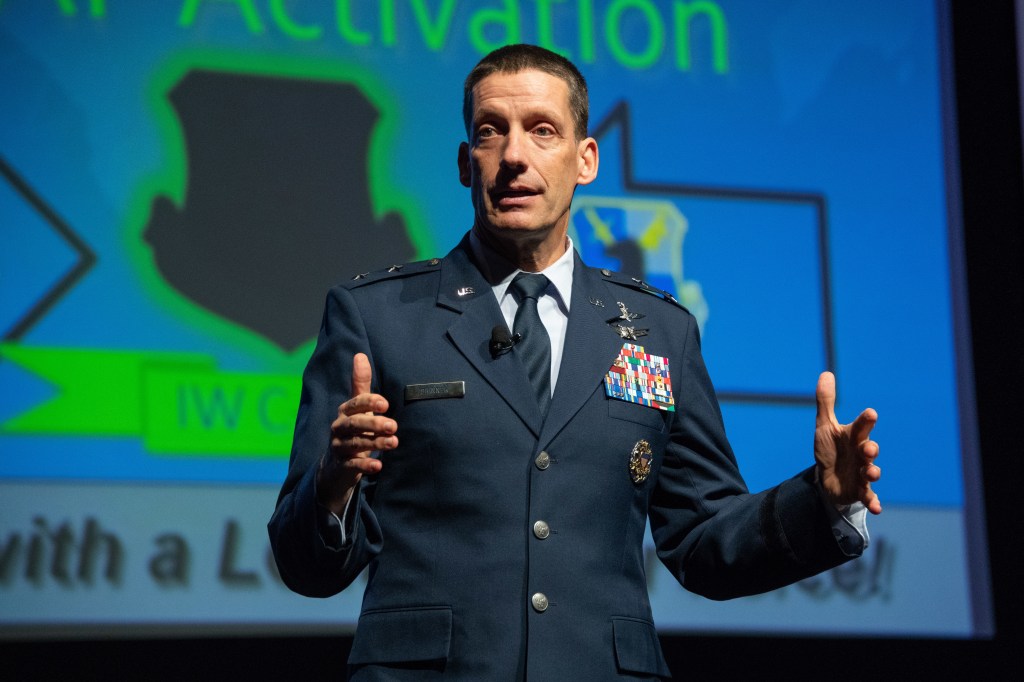
Generative AI providing fuel for hackers, DISA Director Skinner says
Generative AI is “one of the most disruptive” technological developments in a “very long, long time,” DISA’s Lt. Gen. Robert Skinner said.
-
US Air Force shifting hundreds of computer apps to the cloud
The U.S. Air Force launched Cloud One years ago and has sought industry input on its successor, Cloud One Next, or C1N.
-
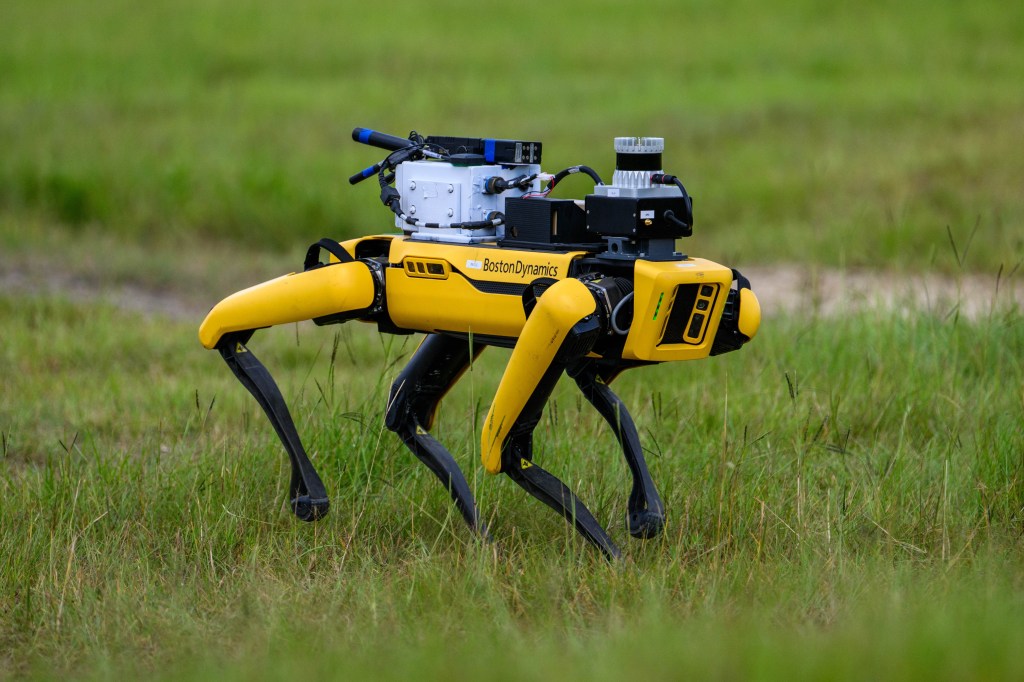
Connectivity will ‘make or break’ US military use of AI, official says
The Pentagon is pursuing seamless networking through a connect-everything campaign known as Joint All-Domain Command and Control, or JADC2.
-
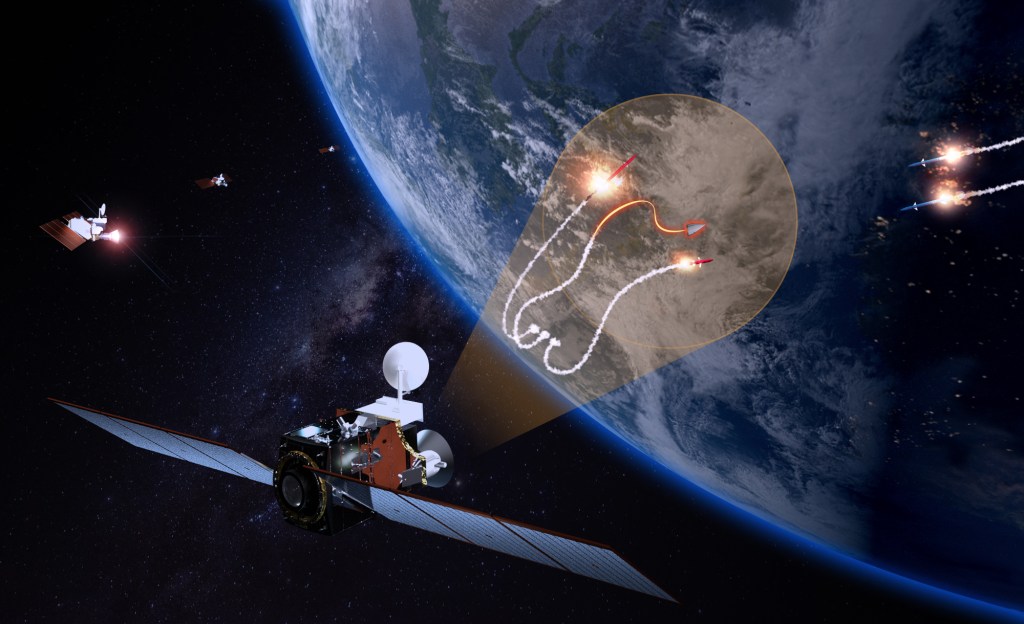
How three space agencies are collaborating on next-gen missile warning
Space Force officials say clarified roles and a combined program office have boosted collaboration on the next-generation missile tracking architecture.
-
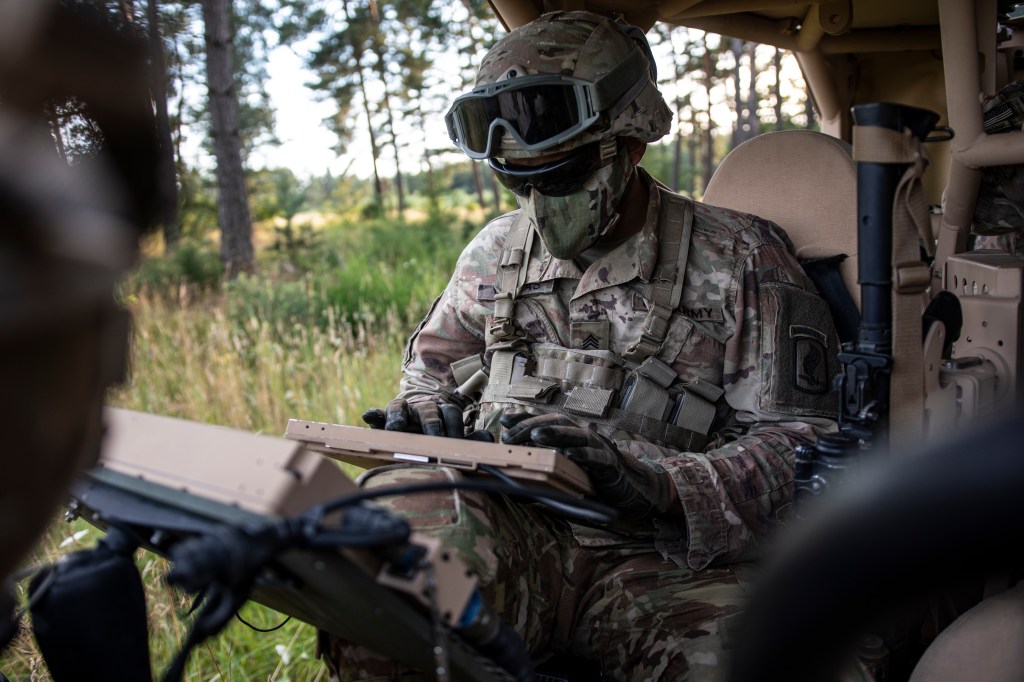
US Army to tailor long-range jammer for Europe, Indo-Pacific theaters
TLS-EAB might not be well-suited for the Family of Medium Tactical Vehicles in the Indo-Pacific. But in Europe, the trucks might be the best option.
-
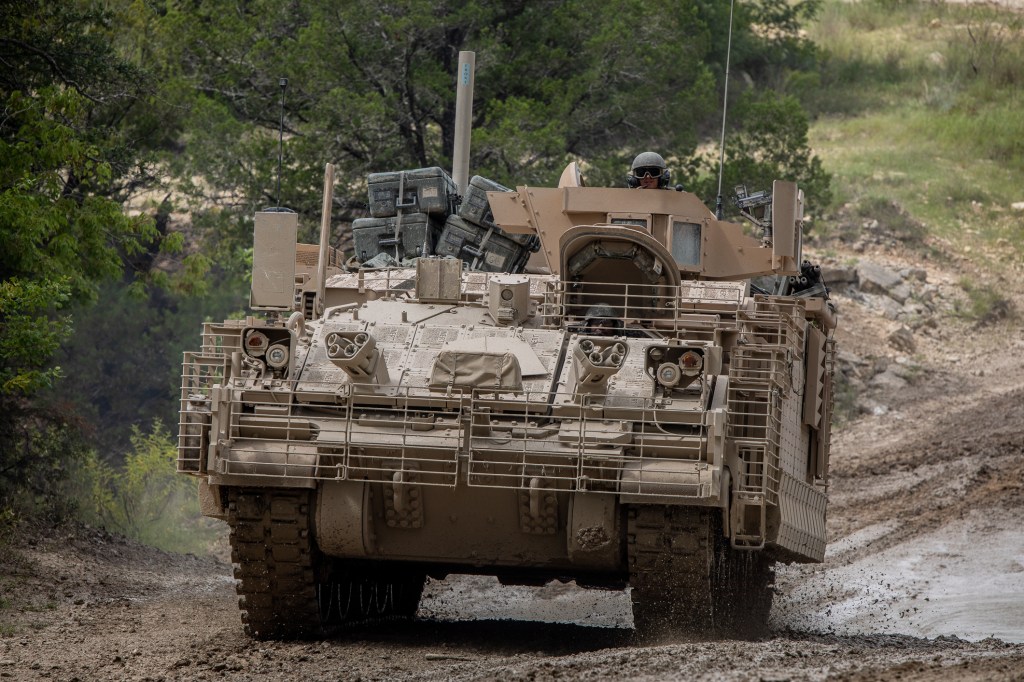
Testing of electronic warfare package for Army’s AMPV expected in 2024
The Armored Multi-Purpose Vehicle will replace the Vietnam War-era M113, hundreds of which have been committed to Ukraine to help battle back Russia.
-
Space Force eyes ‘outernet’ for better data flow in orbit
A review of the satellite communications enterprise recommended a mix of commercial and government SATCOM networks.
-
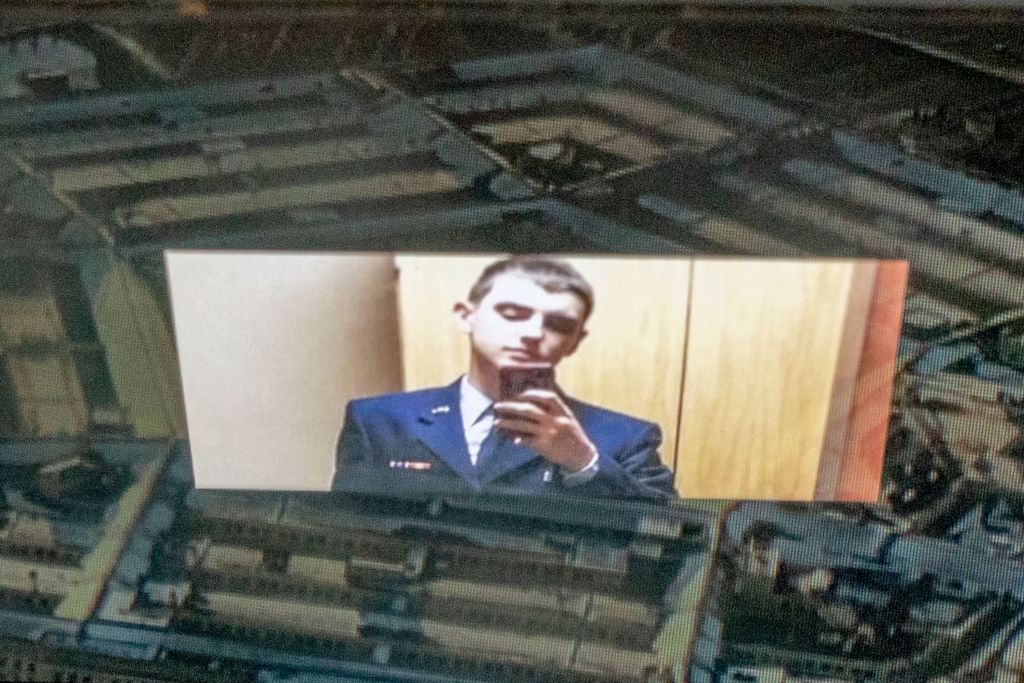
Zero trust could have limited Pentagon leak, Navy CTO says
A zero-trust approach may not have prevented the Discord leak, but the underlying tenets may have helped the Pentagon detect the security breach sooner.
-
Zero trust would have helped prevent Pentagon leak, CIO Sherman says
“This is something we’ve grappled with for years,” Pentagon CIO John Sherman said. “We had the Snowden disclosures nearly 10 years ago.”
-
Anduril unveils software to manage hordes of drones
U.S. Air Force officials foresee battles dominated by man-unmanned teaming and the Navy, likewise, envisions a future fleet teeming with uncrewed vessels.
-
Generative AI providing fuel for hackers, DISA Director Skinner says
Generative AI is “one of the most disruptive” technological developments in a “very long, long time,” DISA’s Lt. Gen. Robert Skinner said.
-
US Air Force shifting hundreds of computer apps to the cloud
The U.S. Air Force launched Cloud One years ago and has sought industry input on its successor, Cloud One Next, or C1N.
-
Connectivity will ‘make or break’ US military use of AI, official says
The Pentagon is pursuing seamless networking through a connect-everything campaign known as Joint All-Domain Command and Control, or JADC2.
-
How three space agencies are collaborating on next-gen missile warning
Space Force officials say clarified roles and a combined program office have boosted collaboration on the next-generation missile tracking architecture.
-
US Army to tailor long-range jammer for Europe, Indo-Pacific theaters
TLS-EAB might not be well-suited for the Family of Medium Tactical Vehicles in the Indo-Pacific. But in Europe, the trucks might be the best option.
-
Testing of electronic warfare package for Army’s AMPV expected in 2024
The Armored Multi-Purpose Vehicle will replace the Vietnam War-era M113, hundreds of which have been committed to Ukraine to help battle back Russia.
-
Space Force eyes ‘outernet’ for better data flow in orbit
A review of the satellite communications enterprise recommended a mix of commercial and government SATCOM networks.
-
Zero trust could have limited Pentagon leak, Navy CTO says
A zero-trust approach may not have prevented the Discord leak, but the underlying tenets may have helped the Pentagon detect the security breach sooner.