-
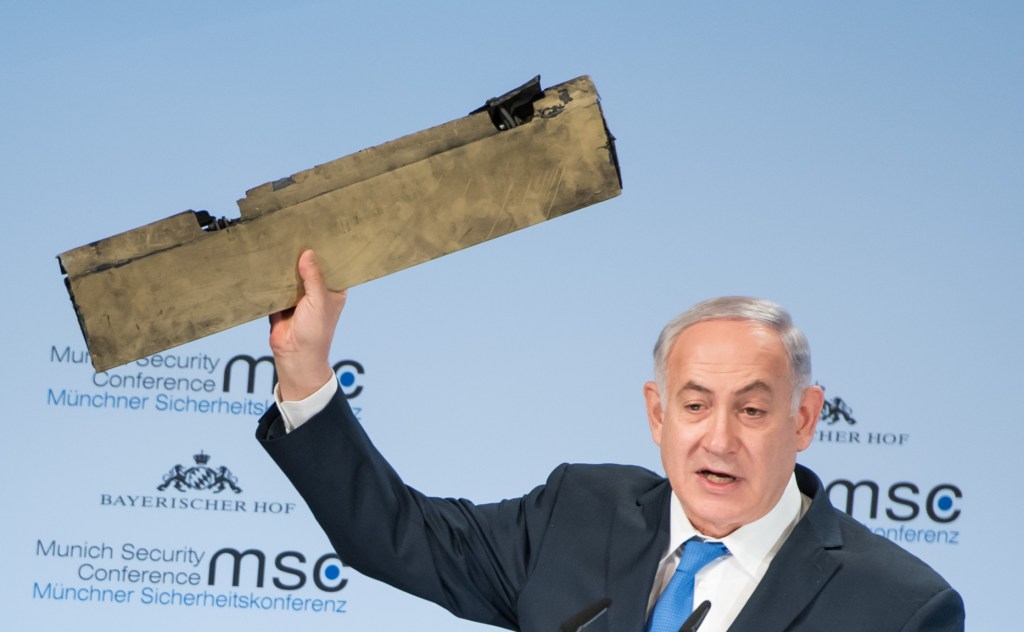
New defense budget bill foresees US-Israel counter-drone cooperation
The cooperation will identify “capability gaps” of the U.S. and Israel in countering UAVs and seek out projects to address those gaps to strengthen U.S. and Israeli security.
-
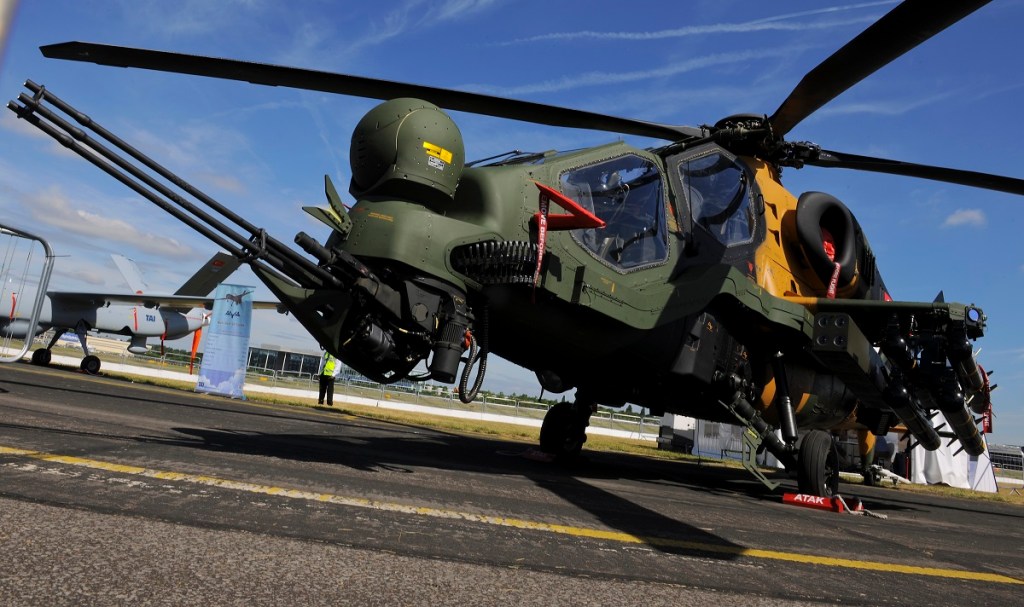
Diplomatic row jeopardizes $1.5B helicopter deal between Turkey and Pakistan
Turkey and Pakistan signed a deal in July for 30 T129 ATAK helicopter gunships. That may not happen now.
-
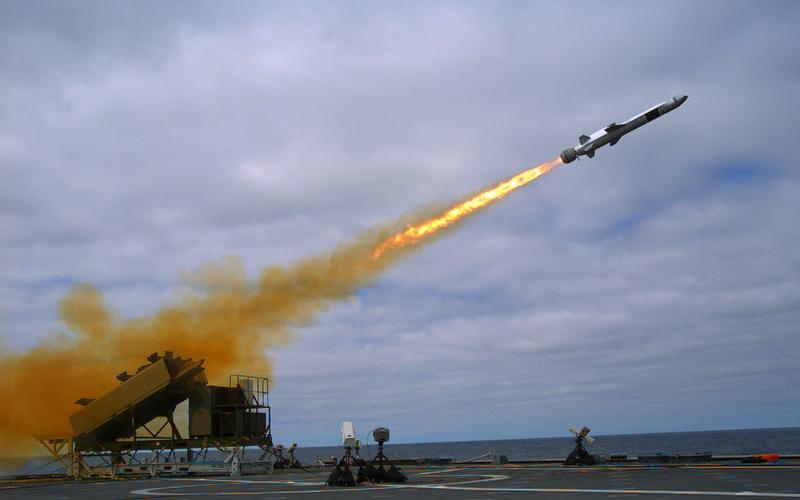
US Navy’s focus on rapid acquisition is opening up opportunities for Europe
The U.S. Navy intends to get much bigger, and that has meant new openings for European companies in the U.S. defense market.
-
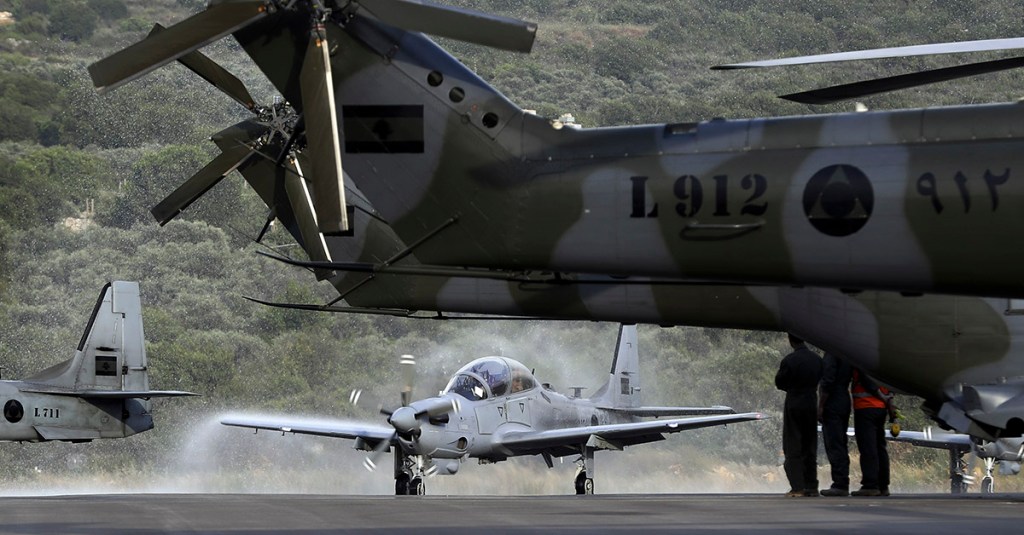
It’s time to update US defense export policies
Our enemies control and preserve their military-industrial complex with an iron fist, while ours must function like any other publicly traded business in the United States.
-
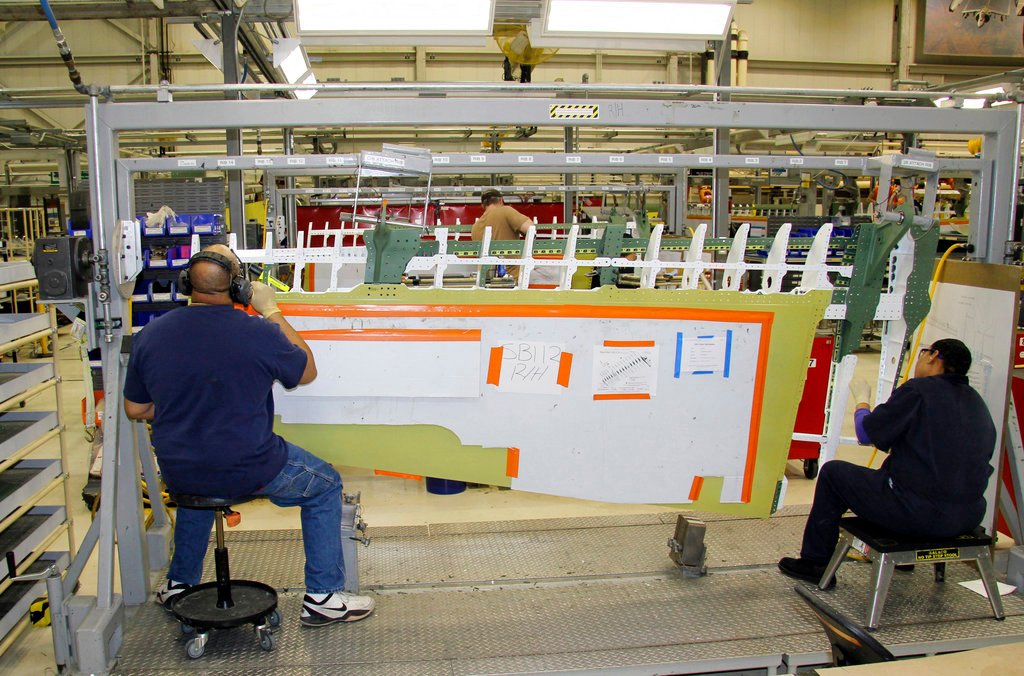
How would reforming conventional arms transfer policy bolster national security?
The result of reforming CAT policy could mean more jobs and revenue for the U.S. defense-industrial base, although the benefits may not be widely felt.
-
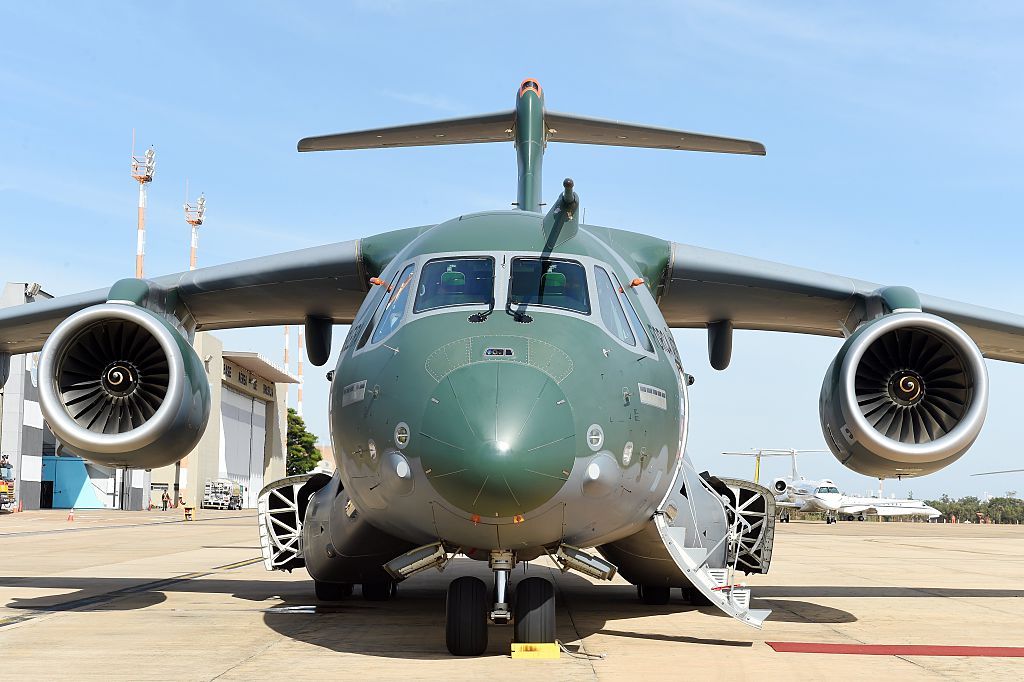
Embraer’s defense head talks growth areas for the Brazilian giant
Jackson Schneider, the head of Embraer’s defense unit, sees opportunities to grow his business following a new agreement with Boeing.
-

Missiles for Mexico gets US approval
The potential sale is fairly small, but notable as the first such buy from Mexico.
-

In contemporary warfare, cyber trumps nukes
While President Trump obsesses about politics, the U.S. is exposed to great danger.
-
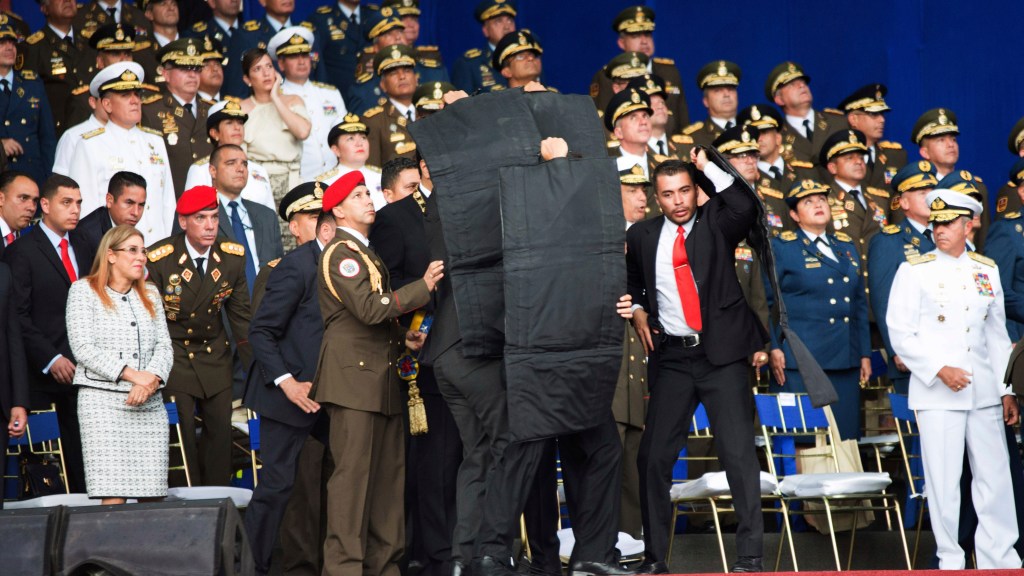
An explosion in Venezuela brings gimmick drones to the political battlefield
In light of an apparent assassination attempt via drone in Venezuela, it’s important to understand how drones have been used before and what countermeasures exist.
-
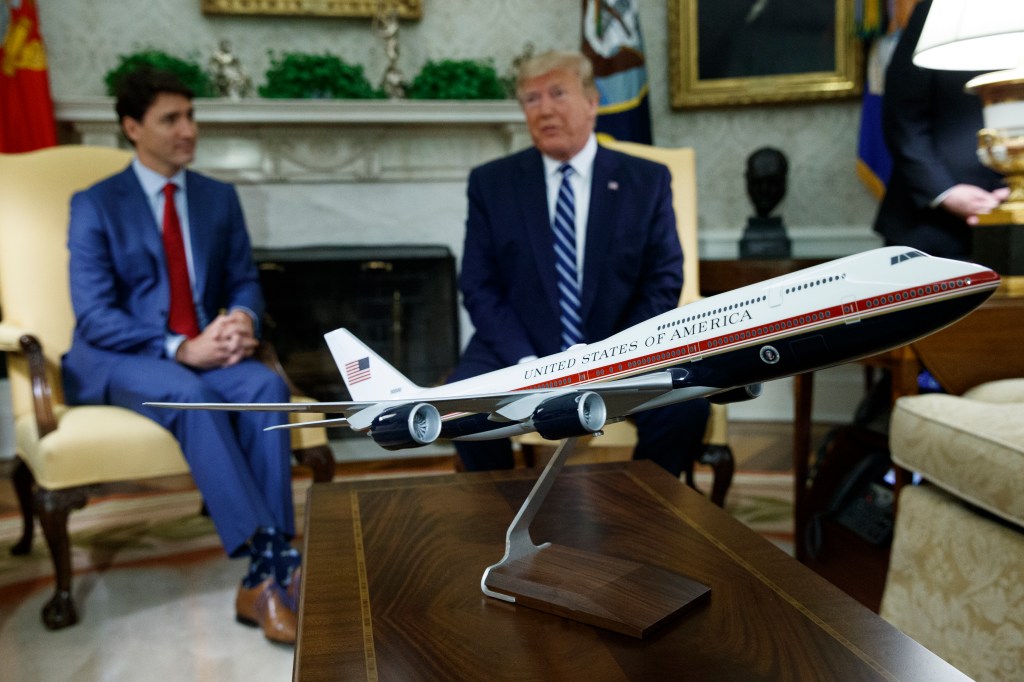
Trump brings back Iran sanctions after exiting nuclear deal
The Trump administration says it is reactivating economic sanctions on Iran that were lifted as part of the landmark multinational nuclear accord — a tough move that may nonetheless leave the U.S. more isolated.
-
New defense budget bill foresees US-Israel counter-drone cooperation
The cooperation will identify “capability gaps” of the U.S. and Israel in countering UAVs and seek out projects to address those gaps to strengthen U.S. and Israeli security.
-
Diplomatic row jeopardizes $1.5B helicopter deal between Turkey and Pakistan
Turkey and Pakistan signed a deal in July for 30 T129 ATAK helicopter gunships. That may not happen now.
-
US Navy’s focus on rapid acquisition is opening up opportunities for Europe
The U.S. Navy intends to get much bigger, and that has meant new openings for European companies in the U.S. defense market.
-
It’s time to update US defense export policies
Our enemies control and preserve their military-industrial complex with an iron fist, while ours must function like any other publicly traded business in the United States.
-
How would reforming conventional arms transfer policy bolster national security?
The result of reforming CAT policy could mean more jobs and revenue for the U.S. defense-industrial base, although the benefits may not be widely felt.
-
Embraer’s defense head talks growth areas for the Brazilian giant
Jackson Schneider, the head of Embraer’s defense unit, sees opportunities to grow his business following a new agreement with Boeing.
-
Missiles for Mexico gets US approval
The potential sale is fairly small, but notable as the first such buy from Mexico.
-
In contemporary warfare, cyber trumps nukes
While President Trump obsesses about politics, the U.S. is exposed to great danger.
-
An explosion in Venezuela brings gimmick drones to the political battlefield
In light of an apparent assassination attempt via drone in Venezuela, it’s important to understand how drones have been used before and what countermeasures exist.
-
Trump brings back Iran sanctions after exiting nuclear deal
The Trump administration says it is reactivating economic sanctions on Iran that were lifted as part of the landmark multinational nuclear accord — a tough move that may nonetheless leave the U.S. more isolated.