-

The drive to advance missile defense is there, but there must be funding
Missile defense is not the be-all, end-all. Denying, degrading and destroying enemy missile systems prior to launch must be part of the mix in defending America and its interests.
-

The greatest risk to national security you’ve never heard of
History has taught us the negative outcomes of vulnerable undersea cables. But the United States doesn’t have to be so vulnerable.
-

A slippery slope: Will foreign companies start ditching American dual-use tech?
Proposed changes to U.S. Commerce Department rules could have immediate and lasting negative effects for U.S. exporters.
-

Interservice rivalries: A force for good
The Pentagon needs to launch a healthy competition among the armed services. The reward? More money.
-
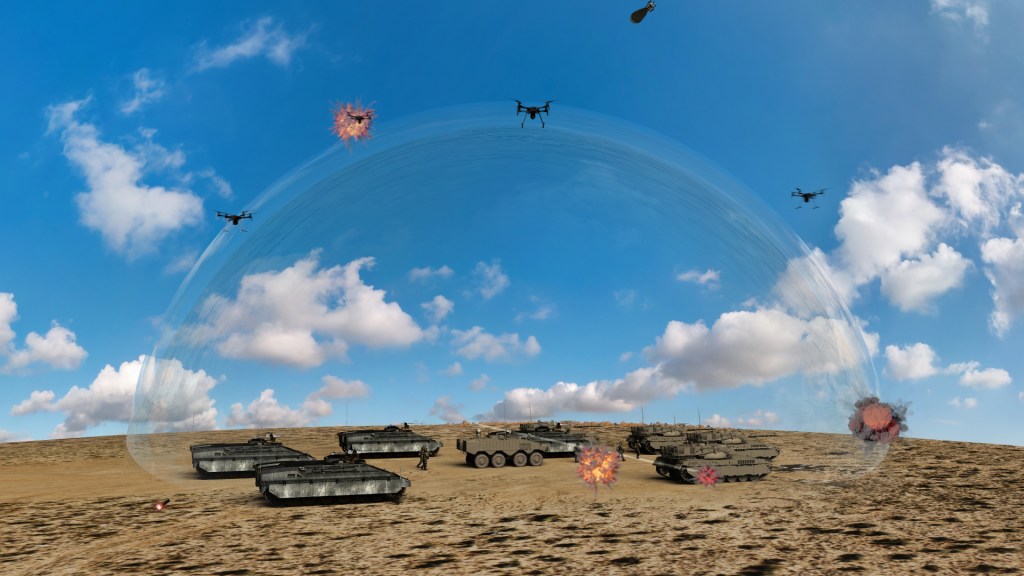
Assessing Israel’s tactical laser breakthrough
Israel’s timeline to field laser capabilities for its military may prove challenging. It is important to understand the technology’s promise — as well as its limitations.
-

The US Navy’s so-called budget salvo demands too much
Money is tight at the Pentagon. It should take the CNO’s comments with a grain of salt, one reader argues.
-

It’s time to take network defense to a new level
Maj. Gen. Scott L. Pleus argues that if the Department of Defense can implement modern tools, it can field the networks war fighters need with cybersecurity that actually works.
-

Does the Pentagon need a chief management officer?
The 2020 National Defense Authorization Act required two studies that openly posit eliminating the CMO function altogether. What gives?
-

Iran attack highlights US missile defense vulnerability
The U.S. Army has made air and missile defense a top priority, but is that enough to keep American interests safe?
-

Winning the hypersonic race is a national imperative
In the world of hypersonic weapons, speed and agility are everything. This is where industry comes in.
-
The drive to advance missile defense is there, but there must be funding
Missile defense is not the be-all, end-all. Denying, degrading and destroying enemy missile systems prior to launch must be part of the mix in defending America and its interests.
-
The greatest risk to national security you’ve never heard of
History has taught us the negative outcomes of vulnerable undersea cables. But the United States doesn’t have to be so vulnerable.
-
A slippery slope: Will foreign companies start ditching American dual-use tech?
Proposed changes to U.S. Commerce Department rules could have immediate and lasting negative effects for U.S. exporters.
-
Interservice rivalries: A force for good
The Pentagon needs to launch a healthy competition among the armed services. The reward? More money.
-
Assessing Israel’s tactical laser breakthrough
Israel’s timeline to field laser capabilities for its military may prove challenging. It is important to understand the technology’s promise — as well as its limitations.
-
The US Navy’s so-called budget salvo demands too much
Money is tight at the Pentagon. It should take the CNO’s comments with a grain of salt, one reader argues.
-
It’s time to take network defense to a new level
Maj. Gen. Scott L. Pleus argues that if the Department of Defense can implement modern tools, it can field the networks war fighters need with cybersecurity that actually works.
-
Does the Pentagon need a chief management officer?
The 2020 National Defense Authorization Act required two studies that openly posit eliminating the CMO function altogether. What gives?
-
Iran attack highlights US missile defense vulnerability
The U.S. Army has made air and missile defense a top priority, but is that enough to keep American interests safe?
-
Winning the hypersonic race is a national imperative
In the world of hypersonic weapons, speed and agility are everything. This is where industry comes in.