-

Here’s how Israel can maintain an advantage in the aerial systems race
If in the past 50 years the dynamic of threat development was moderate, today the rate has accelerated, while the technological amplitude and range of threats is almost endless.
-

Why Biden’s new China czar requires comprehensive policy authorities
The Biden administration’s national security team is facing a series of complex and interrelated challenges. The common denominator is China.
-

8 ideas for successful technology convergence
A consultant proposes principles to manage convergence and disruptive change to maintain the U.S. military’s technological edge.
-

Who will lead the world in artificial intelligence?
National security threats and opportunities posed by AI should be a catalyst for changes to defense requirements and resourcing processes, the authors argue.
-

It’s time to reboot America’s counter-WMD strategy
We have devolved into an era where the possession and use of WMDs is escalating, the penalties for their use is declining, and the risk of a catastrophic event is ever-increasing.
-
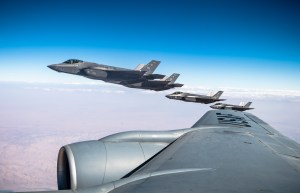
Senators are calling for a US-Israel working group, and it could save lives
The U.S. and Israel should work together more systematically up front to prevent gaps from emerging in the first place.
-

Securing data in a telework environment: modern defense solutions
Everyone is busy, which can lead to workers overlooking potential threats. Two software experts offer security ideas.
-
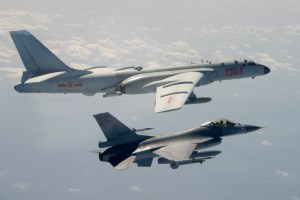
Flip the gray zone script: How the US can customize its approach to China
China need not provoke a potential military response from the United States when it can instead manage a protracted, debilitating influence campaign that slowly degrades Taiwan’s will to the point of capitulation.
-

Esper’s end-around on Trump harmed civil-military relations
Further politicization of appointments could lead to a Pentagon that games appointments in the fourth year of an administration or selects separate slates of general officers according to the anticipated preferences of the winning candidate.
-

The Lockheed-Aerojet deal hampers hypersonics
As in any industry, innovation thrives through competition, not vertical integration.
-
Here’s how Israel can maintain an advantage in the aerial systems race
If in the past 50 years the dynamic of threat development was moderate, today the rate has accelerated, while the technological amplitude and range of threats is almost endless.
-
Why Biden’s new China czar requires comprehensive policy authorities
The Biden administration’s national security team is facing a series of complex and interrelated challenges. The common denominator is China.
-
8 ideas for successful technology convergence
A consultant proposes principles to manage convergence and disruptive change to maintain the U.S. military’s technological edge.
-
Who will lead the world in artificial intelligence?
National security threats and opportunities posed by AI should be a catalyst for changes to defense requirements and resourcing processes, the authors argue.
-
It’s time to reboot America’s counter-WMD strategy
We have devolved into an era where the possession and use of WMDs is escalating, the penalties for their use is declining, and the risk of a catastrophic event is ever-increasing.
-
Senators are calling for a US-Israel working group, and it could save lives
The U.S. and Israel should work together more systematically up front to prevent gaps from emerging in the first place.
-
Securing data in a telework environment: modern defense solutions
Everyone is busy, which can lead to workers overlooking potential threats. Two software experts offer security ideas.
-
Flip the gray zone script: How the US can customize its approach to China
China need not provoke a potential military response from the United States when it can instead manage a protracted, debilitating influence campaign that slowly degrades Taiwan’s will to the point of capitulation.
-
Esper’s end-around on Trump harmed civil-military relations
Further politicization of appointments could lead to a Pentagon that games appointments in the fourth year of an administration or selects separate slates of general officers according to the anticipated preferences of the winning candidate.
-
The Lockheed-Aerojet deal hampers hypersonics
As in any industry, innovation thrives through competition, not vertical integration.
-

Here’s how Israel can maintain an advantage in the aerial systems race
If in the past 50 years the dynamic of threat development was moderate, today the rate has accelerated, while the technological amplitude and range of threats is almost endless.
-

Why Biden’s new China czar requires comprehensive policy authorities
The Biden administration’s national security team is facing a series of complex and interrelated challenges. The common denominator is China.
-

8 ideas for successful technology convergence
A consultant proposes principles to manage convergence and disruptive change to maintain the U.S. military’s technological edge.
-

Who will lead the world in artificial intelligence?
National security threats and opportunities posed by AI should be a catalyst for changes to defense requirements and resourcing processes, the authors argue.
-

It’s time to reboot America’s counter-WMD strategy
We have devolved into an era where the possession and use of WMDs is escalating, the penalties for their use is declining, and the risk of a catastrophic event is ever-increasing.
-
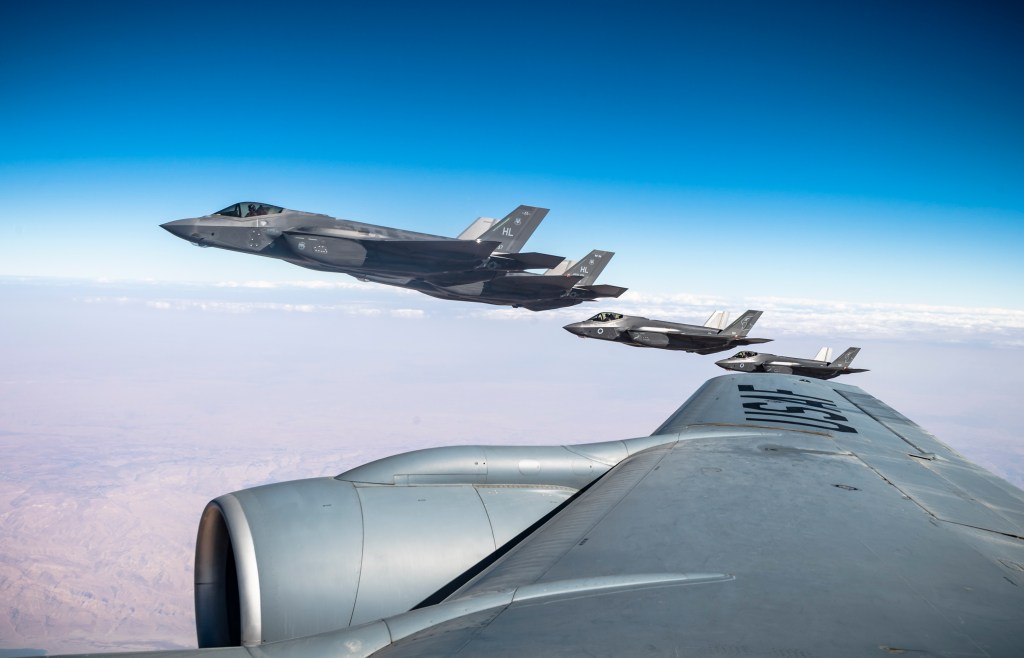
Senators are calling for a US-Israel working group, and it could save lives
The U.S. and Israel should work together more systematically up front to prevent gaps from emerging in the first place.
-

Securing data in a telework environment: modern defense solutions
Everyone is busy, which can lead to workers overlooking potential threats. Two software experts offer security ideas.
-
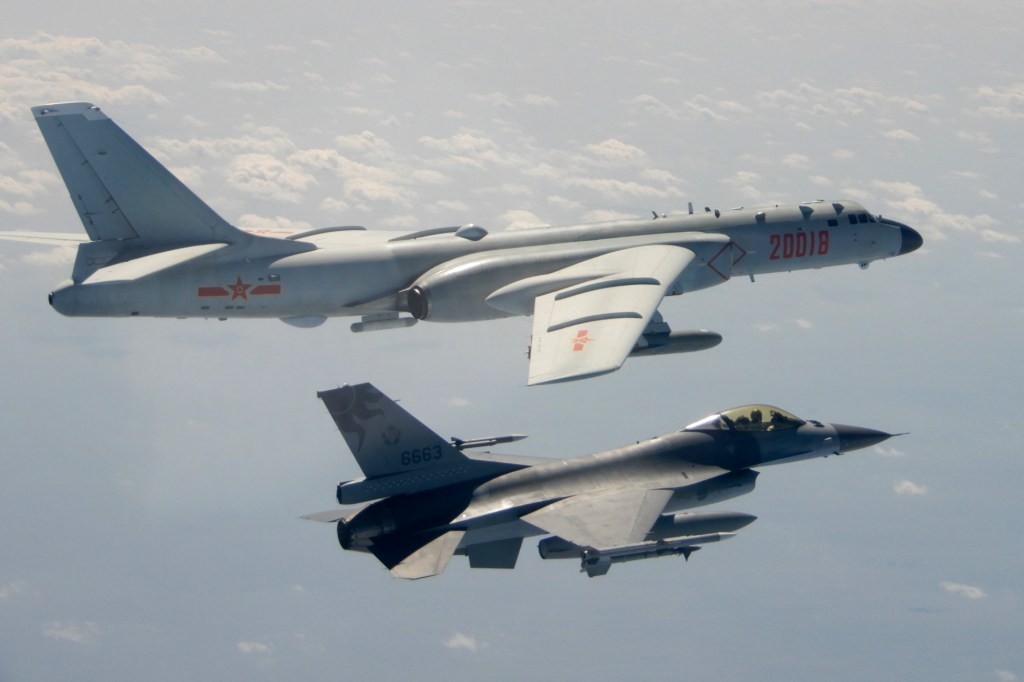
Flip the gray zone script: How the US can customize its approach to China
China need not provoke a potential military response from the United States when it can instead manage a protracted, debilitating influence campaign that slowly degrades Taiwan’s will to the point of capitulation.
-
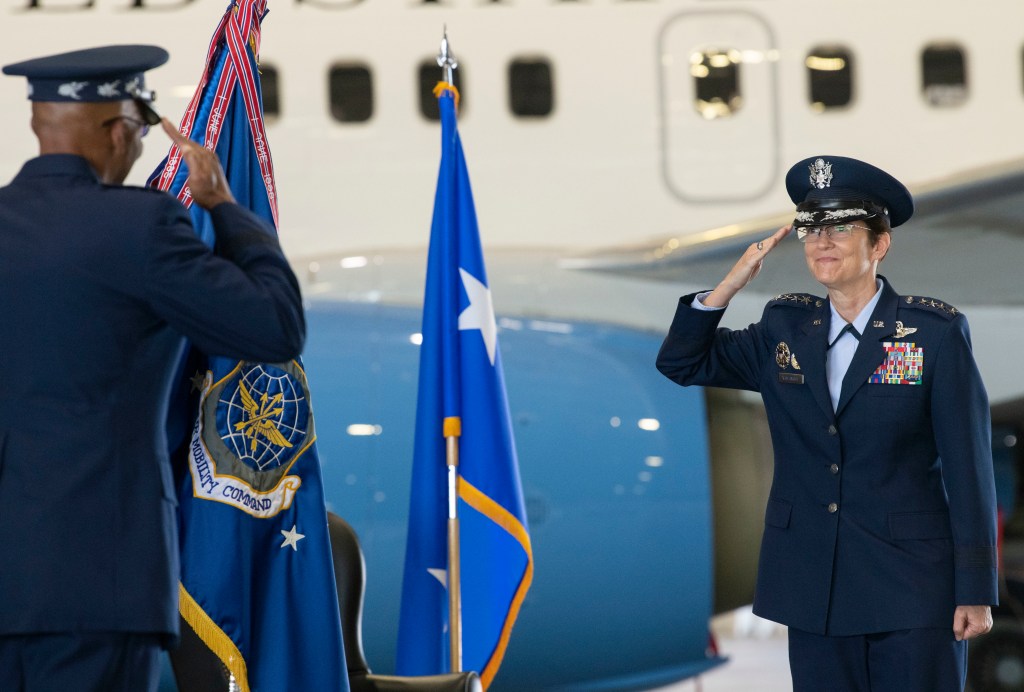
Esper’s end-around on Trump harmed civil-military relations
Further politicization of appointments could lead to a Pentagon that games appointments in the fourth year of an administration or selects separate slates of general officers according to the anticipated preferences of the winning candidate.
-

The Lockheed-Aerojet deal hampers hypersonics
As in any industry, innovation thrives through competition, not vertical integration.