-

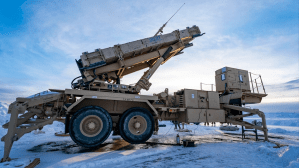
The Space Force wins with OTAs
While the government has at its disposal a variety of contracting tools, other transaction authorities offer some unique advantages, according to a program leader.
-
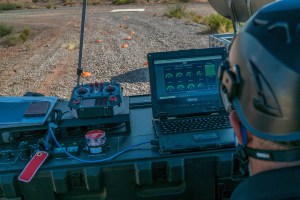
The ability to share data could prove key to deterring and defeating adversaries
Data is the lifeblood of today’s global economies and of national security. Recognizing how data reliance has contributed to changes in warfare, victory belongs to the side that can process and employ data fastest.
-

US budget: Focus on strategy, not numbers
The debate over the U.S. defense budget is not simply a battle over dollars and cents.
-

Wrong policy, wrong time: Don’t hinder American innovation
In the midst of global competition, and at exactly the time we need to encourage and invest in innovation through research and development, we are faced with a pending tax provision that will do the exact opposite.
-

Wasted dollars and unfulfilled requirements: The case for fixing Pentagon procurement
As chairman of the House Armed Services Committee — the committee in Congress responsible for Defense Department oversight — I want to drive home three irrefutable points.
-

Creating a DC National Guard quick-reaction force is a bad idea
We need to keep our nation’s seat of government safe, but creating a quick-reaction force is not the right solution, says the author of this commentary.
-

Readiness woes: US Army should embrace new tech for base defense
The U.S. military should aggressively embrace emergent technologies, especially high-energy lasers, high-power microwave systems and networked sensors.
-

Weapons of the future: Trends in drone proliferation
A wider adoption of unmanned systems could potentially complicate the United States’ ability to develop effective countermeasures.
-

Egypt’s transition away from American weapons is a national security issue
Egypt’s purchase of French-made fighters alone does not necessarily constitute a major development or concern, but the deal’s significance grows when understood as part of Cairo’s larger shift away from American arms.
-

National security through telework: remote collaboration to protect the joint force
The first idea an Army officer recommends to reduce vulnerabilities is for the DoD to issue unclassified, government-funded laptops to each employee and provide them with a suite of collaboration software.
-
The Space Force wins with OTAs
While the government has at its disposal a variety of contracting tools, other transaction authorities offer some unique advantages, according to a program leader.
-
The ability to share data could prove key to deterring and defeating adversaries
Data is the lifeblood of today’s global economies and of national security. Recognizing how data reliance has contributed to changes in warfare, victory belongs to the side that can process and employ data fastest.
-
US budget: Focus on strategy, not numbers
The debate over the U.S. defense budget is not simply a battle over dollars and cents.
-
Wrong policy, wrong time: Don’t hinder American innovation
In the midst of global competition, and at exactly the time we need to encourage and invest in innovation through research and development, we are faced with a pending tax provision that will do the exact opposite.
-
Wasted dollars and unfulfilled requirements: The case for fixing Pentagon procurement
As chairman of the House Armed Services Committee — the committee in Congress responsible for Defense Department oversight — I want to drive home three irrefutable points.
-
Creating a DC National Guard quick-reaction force is a bad idea
We need to keep our nation’s seat of government safe, but creating a quick-reaction force is not the right solution, says the author of this commentary.
-
Readiness woes: US Army should embrace new tech for base defense
The U.S. military should aggressively embrace emergent technologies, especially high-energy lasers, high-power microwave systems and networked sensors.
-
Weapons of the future: Trends in drone proliferation
A wider adoption of unmanned systems could potentially complicate the United States’ ability to develop effective countermeasures.
-
Egypt’s transition away from American weapons is a national security issue
Egypt’s purchase of French-made fighters alone does not necessarily constitute a major development or concern, but the deal’s significance grows when understood as part of Cairo’s larger shift away from American arms.
-
National security through telework: remote collaboration to protect the joint force
The first idea an Army officer recommends to reduce vulnerabilities is for the DoD to issue unclassified, government-funded laptops to each employee and provide them with a suite of collaboration software.
-

The Space Force wins with OTAs
While the government has at its disposal a variety of contracting tools, other transaction authorities offer some unique advantages, according to a program leader.
-
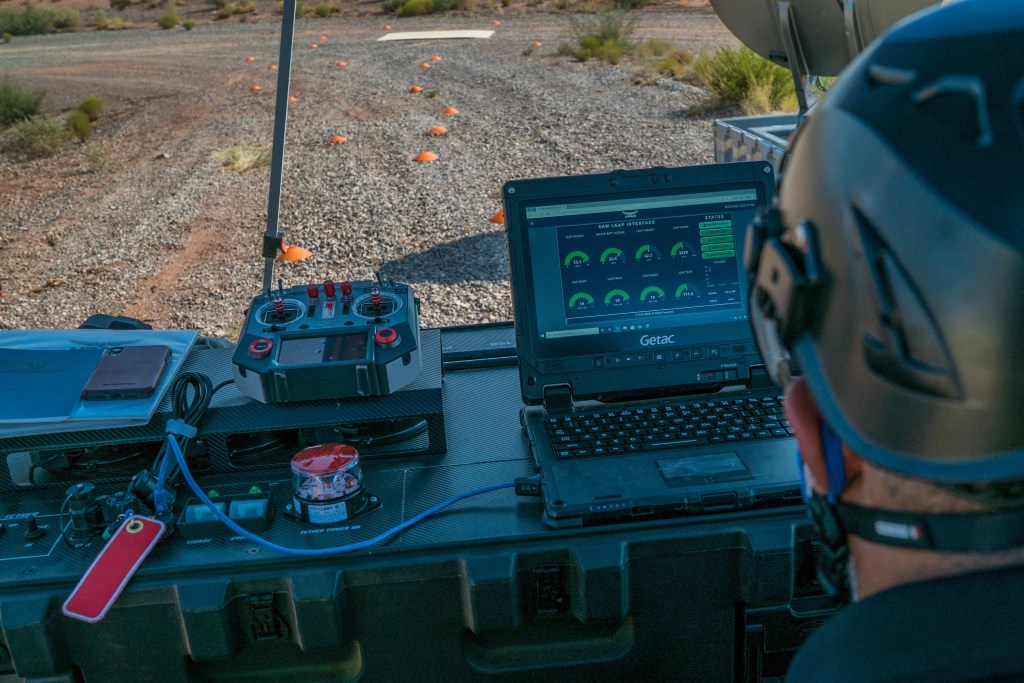
The ability to share data could prove key to deterring and defeating adversaries
Data is the lifeblood of today’s global economies and of national security. Recognizing how data reliance has contributed to changes in warfare, victory belongs to the side that can process and employ data fastest.
-

US budget: Focus on strategy, not numbers
The debate over the U.S. defense budget is not simply a battle over dollars and cents.
-

Wrong policy, wrong time: Don’t hinder American innovation
In the midst of global competition, and at exactly the time we need to encourage and invest in innovation through research and development, we are faced with a pending tax provision that will do the exact opposite.
-

Wasted dollars and unfulfilled requirements: The case for fixing Pentagon procurement
As chairman of the House Armed Services Committee — the committee in Congress responsible for Defense Department oversight — I want to drive home three irrefutable points.
-

Creating a DC National Guard quick-reaction force is a bad idea
We need to keep our nation’s seat of government safe, but creating a quick-reaction force is not the right solution, says the author of this commentary.
-

Readiness woes: US Army should embrace new tech for base defense
The U.S. military should aggressively embrace emergent technologies, especially high-energy lasers, high-power microwave systems and networked sensors.
-

Weapons of the future: Trends in drone proliferation
A wider adoption of unmanned systems could potentially complicate the United States’ ability to develop effective countermeasures.
-

Egypt’s transition away from American weapons is a national security issue
Egypt’s purchase of French-made fighters alone does not necessarily constitute a major development or concern, but the deal’s significance grows when understood as part of Cairo’s larger shift away from American arms.
-
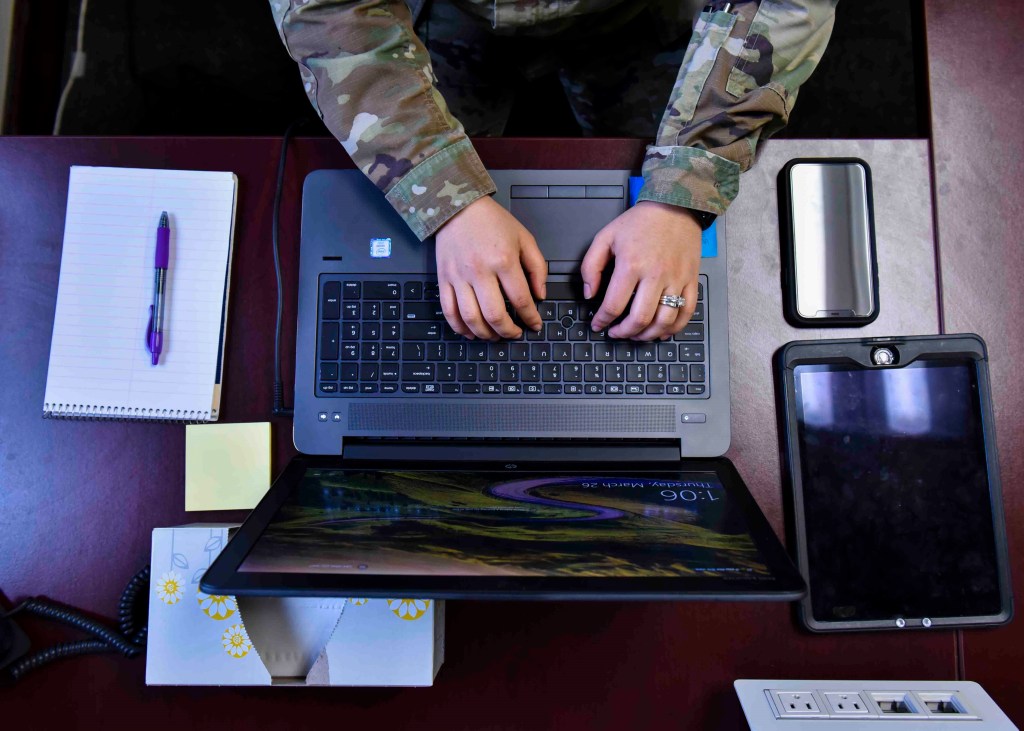
National security through telework: remote collaboration to protect the joint force
The first idea an Army officer recommends to reduce vulnerabilities is for the DoD to issue unclassified, government-funded laptops to each employee and provide them with a suite of collaboration software.