-
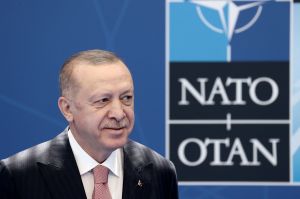
Countering Erdogan: What Biden must do for the sake of stability
The United States should apply political and economic pressure on Turkey through NATO, and expand bilateral security cooperation with Greece.
-
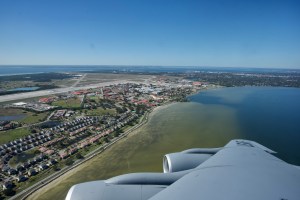
Climate change poses great risk for Florida’s military bases
The United States has ignored climate change and its impacts on outdated, inadequate infrastructure for far too long.
-
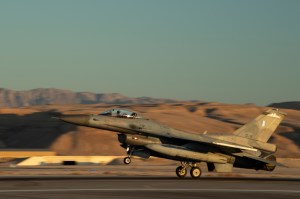
Blue Flag exercise has Israel’s enemies seeing red
We’re right to celebrate the success of Blue Flag 2021. But given the growing threats, we should already begin working on urgent next steps.
-

Will the US be begging on Bragg Boulevard again?
America must act now to invest in new weapons, divest legacy systems as the new ones come online, and harden our space and cyber assets.
-
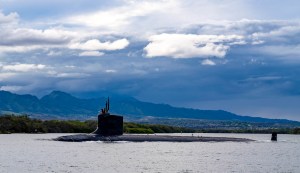
The unintended consequences of the AUKUS deal
A semi-permanent marriage between Russia’s military design genius and China’s industrial production acumen on large projects may be the most concerning legacy of the AUKUS deal.
-
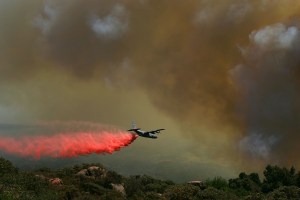
The Pentagon has to include climate risk in all of its plans and budgets
The Defense Department now recognizes climate change is a threat multiplier and must be incorporated into all aspects of defense strategy, planning and force posture.
-
The US must reject a ‘sole purpose’ nuclear policy
No one wants to see the use of nuclear weapons ever again. However, endorsing a sole purpose doctrine and surrendering our nuclear capabilities before the rest of the world agrees to do so will only destabilize the international system.
-
Are adversaries using US critical infrastructure as a training range?
Critical infrastructure is a significant attack vector to track and defend. Still, cyberattacks on U.S. critical infrastructure create reactions that might not be wholly predictable — creating risk for the adversary. For the U.S., the risk is that we try too hard to find strategic intent where there is none.
-

The U.S. is wholly unequipped to resupply forces in a great-power conflict
The current American consumer goods crisis presages the effects of a militarized Sino-American confrontation.
-
The Army is getting great power competition all wrong
The U.S. Army does not need to go abroad in search of missions to make itself appear relevant. What it very much needs to do is focus on its core warfighting skills and hone its ability to fight and win battles that might crop up involving major opponents — in the defense of our country,…
-
Countering Erdogan: What Biden must do for the sake of stability
The United States should apply political and economic pressure on Turkey through NATO, and expand bilateral security cooperation with Greece.
-
Climate change poses great risk for Florida’s military bases
The United States has ignored climate change and its impacts on outdated, inadequate infrastructure for far too long.
-
Blue Flag exercise has Israel’s enemies seeing red
We’re right to celebrate the success of Blue Flag 2021. But given the growing threats, we should already begin working on urgent next steps.
-
Will the US be begging on Bragg Boulevard again?
America must act now to invest in new weapons, divest legacy systems as the new ones come online, and harden our space and cyber assets.
-
The unintended consequences of the AUKUS deal
A semi-permanent marriage between Russia’s military design genius and China’s industrial production acumen on large projects may be the most concerning legacy of the AUKUS deal.
-
The Pentagon has to include climate risk in all of its plans and budgets
The Defense Department now recognizes climate change is a threat multiplier and must be incorporated into all aspects of defense strategy, planning and force posture.
-
The US must reject a ‘sole purpose’ nuclear policy
No one wants to see the use of nuclear weapons ever again. However, endorsing a sole purpose doctrine and surrendering our nuclear capabilities before the rest of the world agrees to do so will only destabilize the international system.
-
Are adversaries using US critical infrastructure as a training range?
Critical infrastructure is a significant attack vector to track and defend. Still, cyberattacks on U.S. critical infrastructure create reactions that might not be wholly predictable — creating risk for the adversary. For the U.S., the risk is that we try too hard to find strategic intent where there is none.
-
The U.S. is wholly unequipped to resupply forces in a great-power conflict
The current American consumer goods crisis presages the effects of a militarized Sino-American confrontation.
-
The Army is getting great power competition all wrong
The U.S. Army does not need to go abroad in search of missions to make itself appear relevant. What it very much needs to do is focus on its core warfighting skills and hone its ability to fight and win battles that might crop up involving major opponents — in the defense of our country,…
-
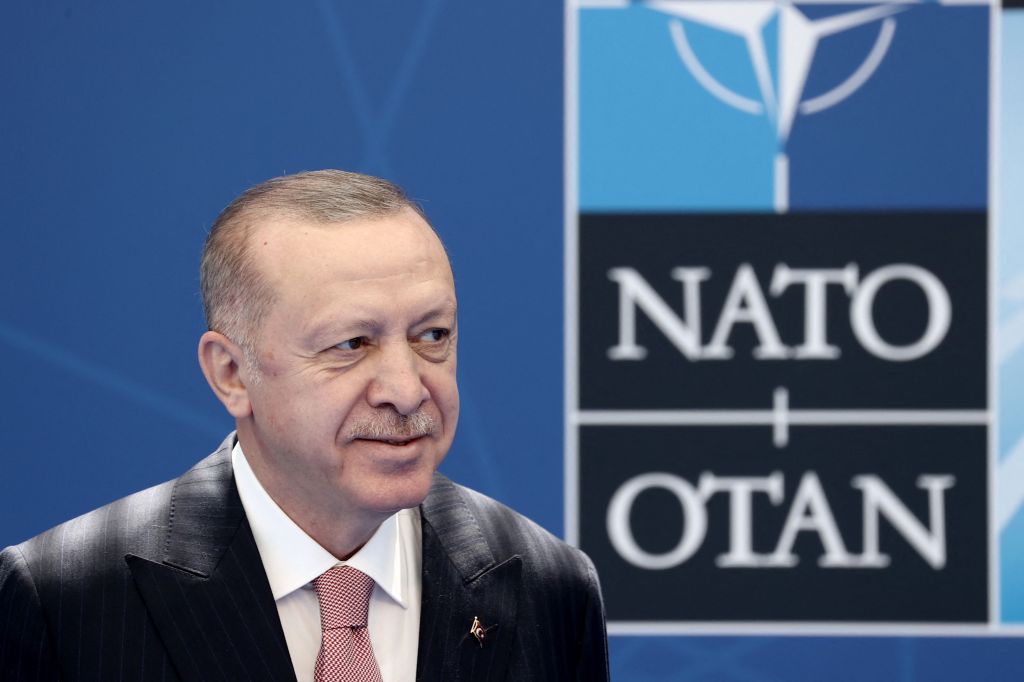
Countering Erdogan: What Biden must do for the sake of stability
The United States should apply political and economic pressure on Turkey through NATO, and expand bilateral security cooperation with Greece.
-
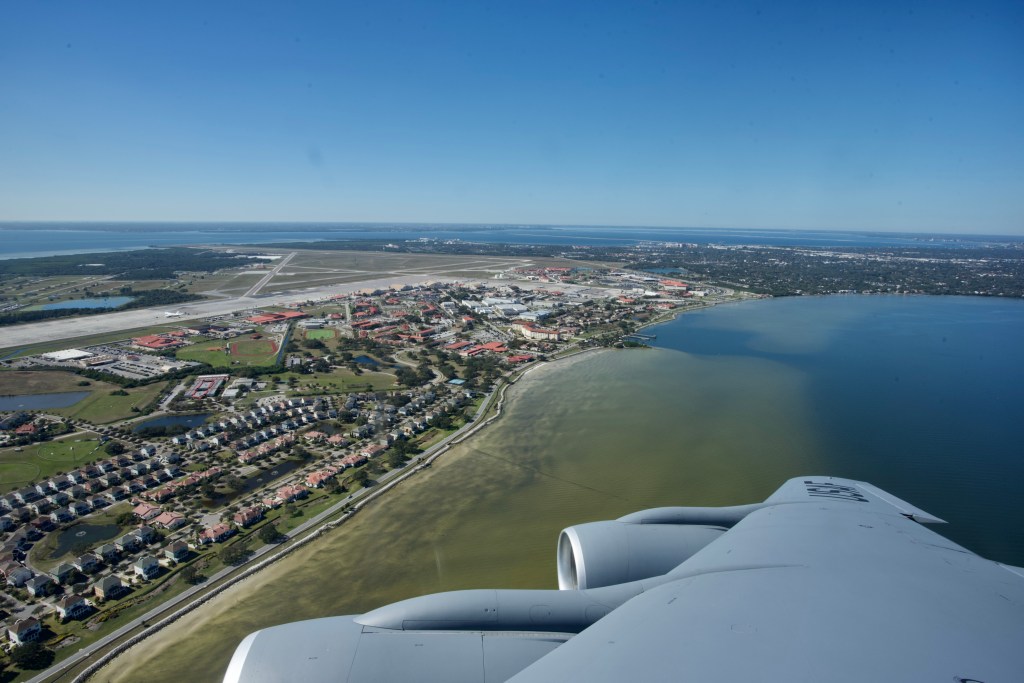
Climate change poses great risk for Florida’s military bases
The United States has ignored climate change and its impacts on outdated, inadequate infrastructure for far too long.
-
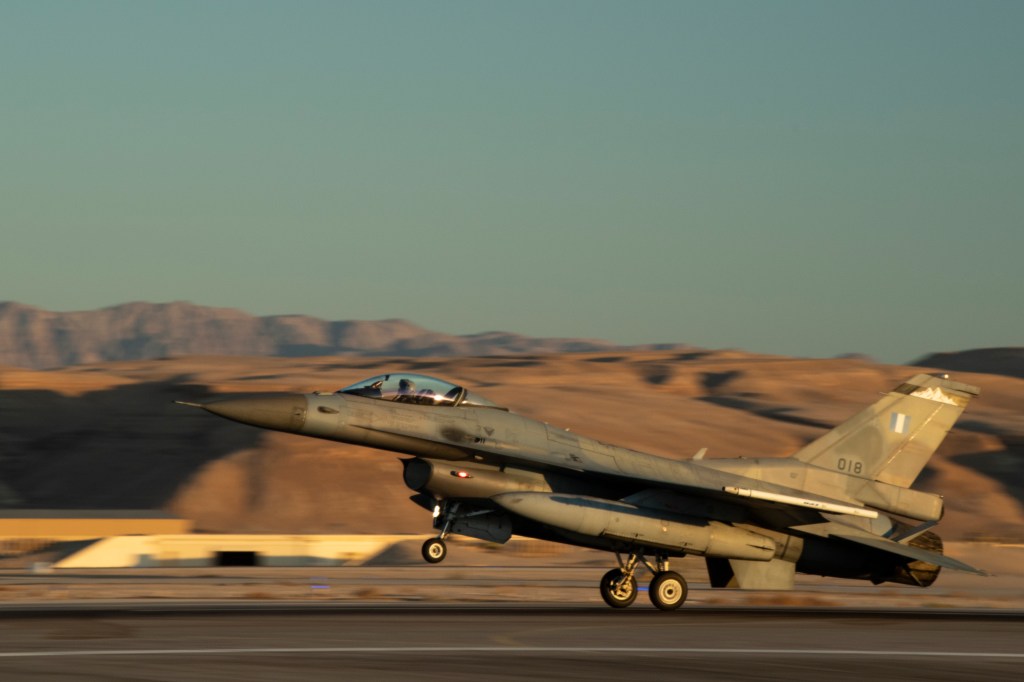
Blue Flag exercise has Israel’s enemies seeing red
We’re right to celebrate the success of Blue Flag 2021. But given the growing threats, we should already begin working on urgent next steps.
-
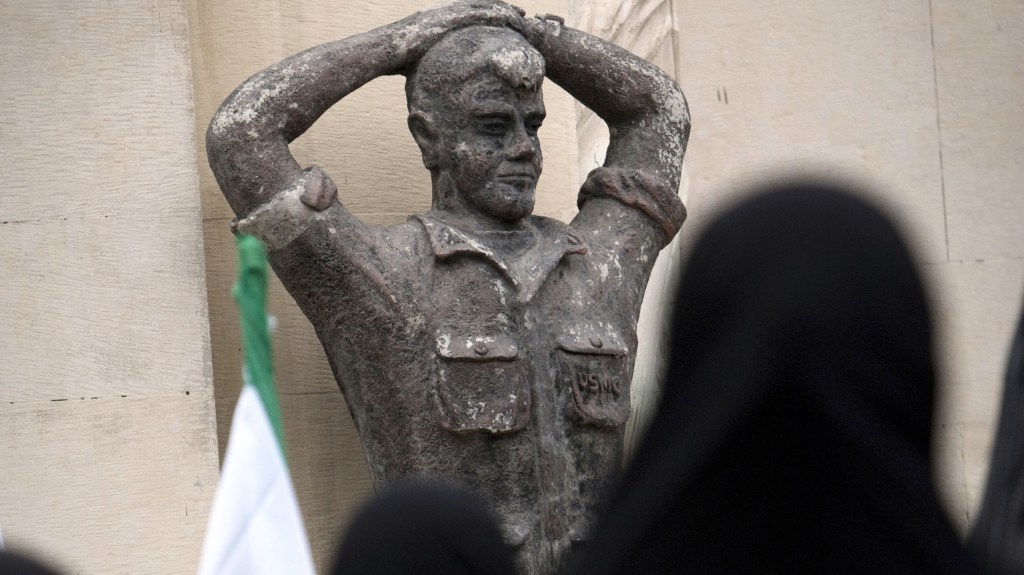
Will the US be begging on Bragg Boulevard again?
America must act now to invest in new weapons, divest legacy systems as the new ones come online, and harden our space and cyber assets.
-
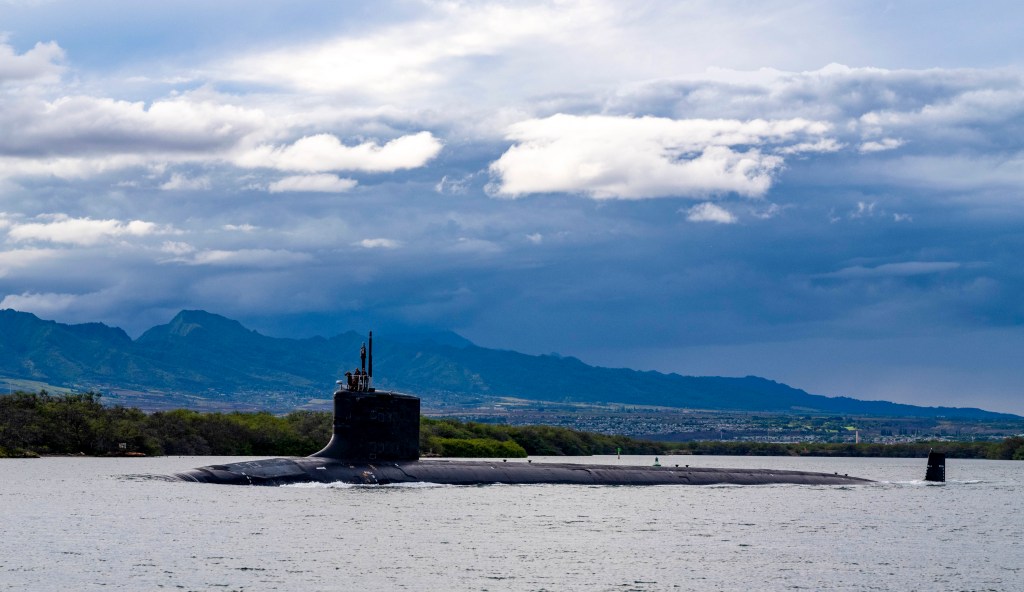
The unintended consequences of the AUKUS deal
A semi-permanent marriage between Russia’s military design genius and China’s industrial production acumen on large projects may be the most concerning legacy of the AUKUS deal.
-
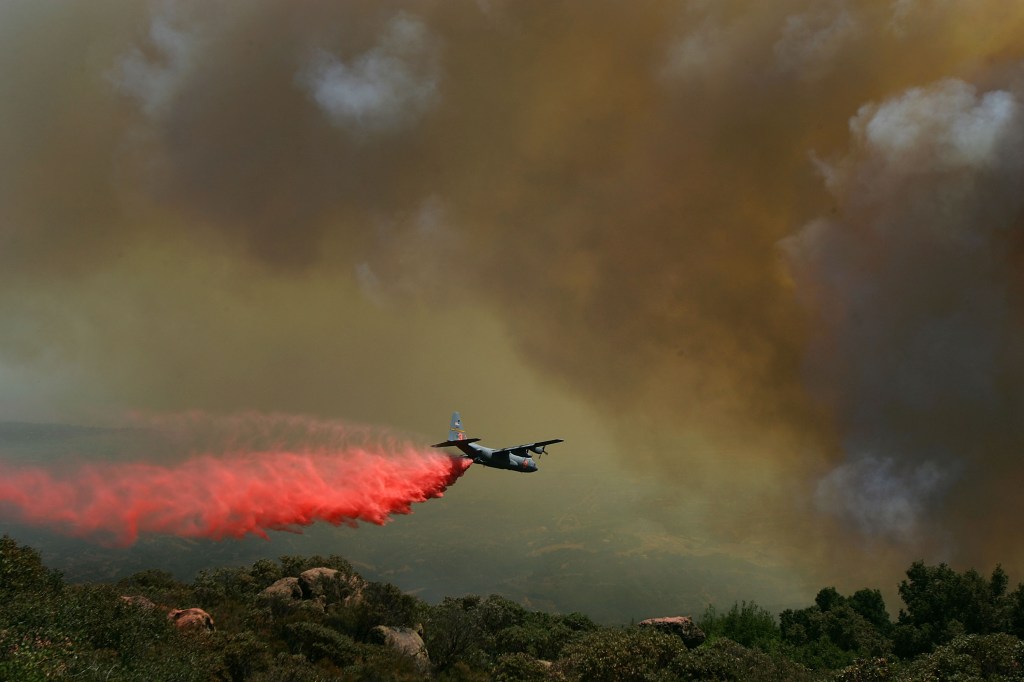
The Pentagon has to include climate risk in all of its plans and budgets
The Defense Department now recognizes climate change is a threat multiplier and must be incorporated into all aspects of defense strategy, planning and force posture.
-
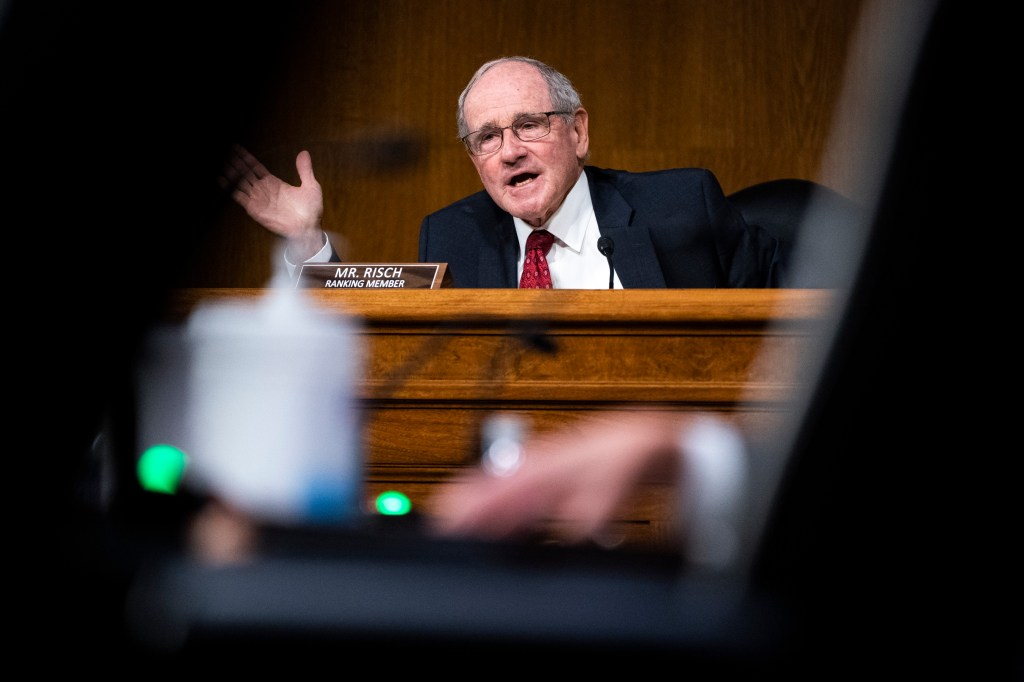
The US must reject a ‘sole purpose’ nuclear policy
No one wants to see the use of nuclear weapons ever again. However, endorsing a sole purpose doctrine and surrendering our nuclear capabilities before the rest of the world agrees to do so will only destabilize the international system.
-
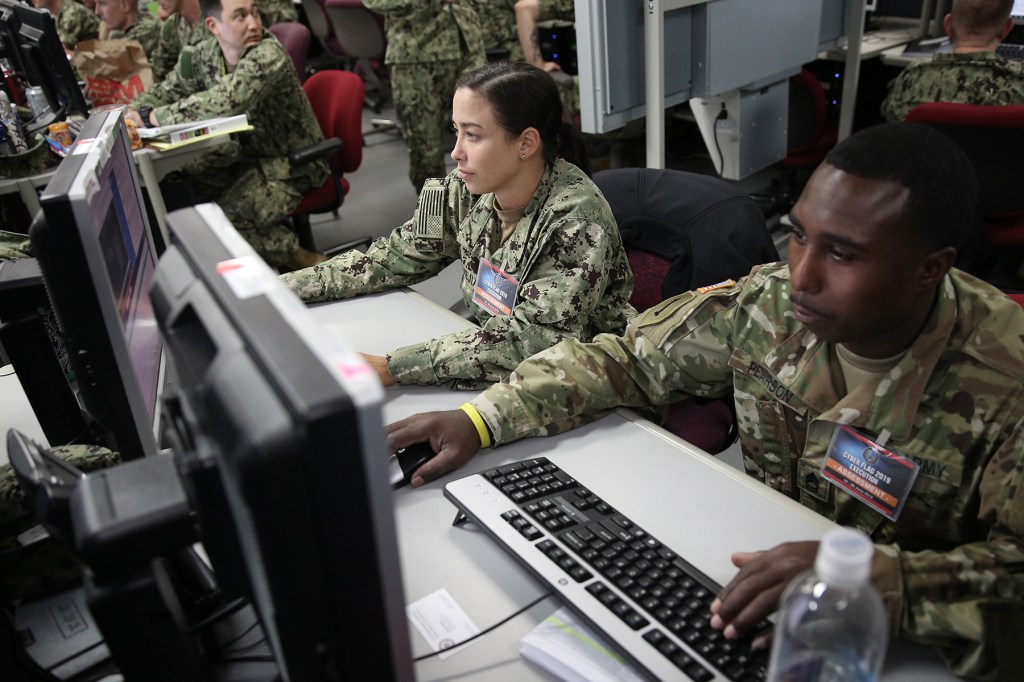
Are adversaries using US critical infrastructure as a training range?
Critical infrastructure is a significant attack vector to track and defend. Still, cyberattacks on U.S. critical infrastructure create reactions that might not be wholly predictable — creating risk for the adversary. For the U.S., the risk is that we try too hard to find strategic intent where there is none.
-
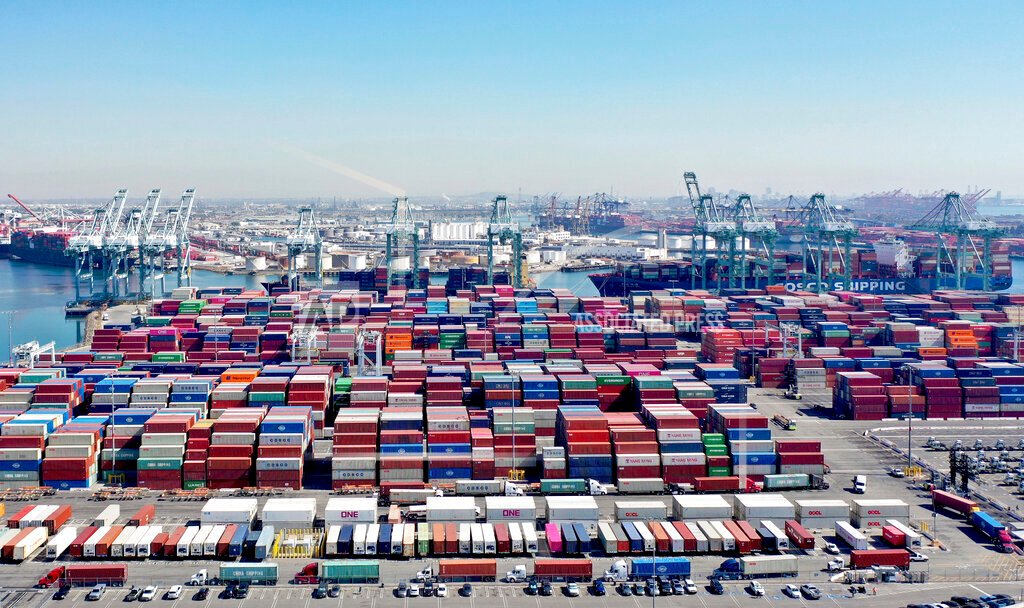
The U.S. is wholly unequipped to resupply forces in a great-power conflict
The current American consumer goods crisis presages the effects of a militarized Sino-American confrontation.
-
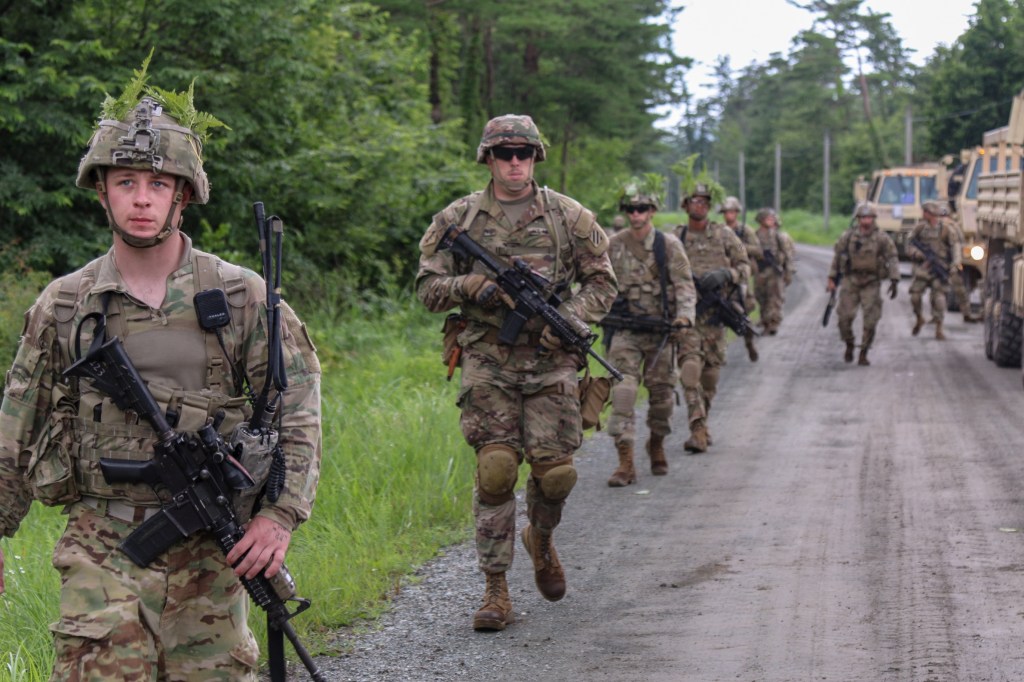
The Army is getting great power competition all wrong
The U.S. Army does not need to go abroad in search of missions to make itself appear relevant. What it very much needs to do is focus on its core warfighting skills and hone its ability to fight and win battles that might crop up involving major opponents — in the defense of our country,…