-
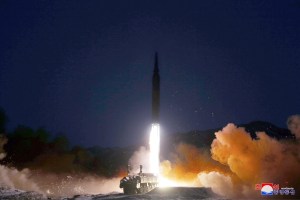
North Korean hypersonic threat is an alarming wake-up call for how we innovate
The linear development model of old just doesn’t work anymore.
-
Three steps to help defense innovation break free from its shackles
The United States simply cannot meet the national security challenges it faces over the next decade if the resource allocation process is not brought into the 21st century.
-

NATO should shut the door, but not because Russia said so
Keeping the option of NATO enlargement on the table is a faulty policy on an ordinary day. In the case of Ukraine, it’s a disservice.
-

The problems at Red Hill in Hawaii are just the start of DoD’s infrastructure liabilities
The ensuing crisis is shedding light on the weaknesses in U.S. military infrastructure that could prove highly problematic in a potential conflict with China. The Pentagon should act decisively to protect Oahu’s aquifers and stop deferring investments in Indo-Pacific posture that are needed to deter Chinese aggression.
-

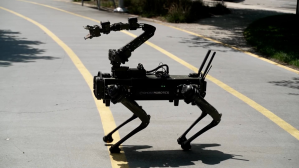
A yearlong continuing resolution will hinder unmanned systems integration
Failure to pass funding bills will create a domino effect that will harm U.S. national security for years to come by damaging the growing unmanned systems industry.
-

Modernizing US nuclear deterrence presents a rare bipartisan opportunity
A former senator argues America’s intercontinental ballistic missiles are the foundation of nuclear deterrence, but that they must be modernized to remain effective.
-

Three ways the Pentagon can create an automation first culture
Automation has the ability to transform the DoD, but to do so it must become a mission-critical priority on the same level as cybersecurity and other top initiatives. The time to do that is now.
-

Inflation is the silent cyberthreat jeopardizing our workforce
The inflation expectations in 2022 are the highest in decades, which will directly impact the cost to attract and retain a cyber workforce.
-

Hedging US strategy against an emerging China-Russia partnership
Washington needs to get smart about grand strategy again. Otherwise, an anti-U.S. alliance between Russia and China that looks unlikely today could become a reality tomorrow.
-

Pacific Deterrence Initiative: A look at funding in the new defense bill, and what must happen now
Congress established the PDI last year for two basic reasons: to better understand what the Pentagon was spending in the Indo-Pacific region, and to change the composition of that spending.
-
North Korean hypersonic threat is an alarming wake-up call for how we innovate
The linear development model of old just doesn’t work anymore.
-
Three steps to help defense innovation break free from its shackles
The United States simply cannot meet the national security challenges it faces over the next decade if the resource allocation process is not brought into the 21st century.
-
NATO should shut the door, but not because Russia said so
Keeping the option of NATO enlargement on the table is a faulty policy on an ordinary day. In the case of Ukraine, it’s a disservice.
-
The problems at Red Hill in Hawaii are just the start of DoD’s infrastructure liabilities
The ensuing crisis is shedding light on the weaknesses in U.S. military infrastructure that could prove highly problematic in a potential conflict with China. The Pentagon should act decisively to protect Oahu’s aquifers and stop deferring investments in Indo-Pacific posture that are needed to deter Chinese aggression.
-
A yearlong continuing resolution will hinder unmanned systems integration
Failure to pass funding bills will create a domino effect that will harm U.S. national security for years to come by damaging the growing unmanned systems industry.
-
Modernizing US nuclear deterrence presents a rare bipartisan opportunity
A former senator argues America’s intercontinental ballistic missiles are the foundation of nuclear deterrence, but that they must be modernized to remain effective.
-
Three ways the Pentagon can create an automation first culture
Automation has the ability to transform the DoD, but to do so it must become a mission-critical priority on the same level as cybersecurity and other top initiatives. The time to do that is now.
-
Inflation is the silent cyberthreat jeopardizing our workforce
The inflation expectations in 2022 are the highest in decades, which will directly impact the cost to attract and retain a cyber workforce.
-
Hedging US strategy against an emerging China-Russia partnership
Washington needs to get smart about grand strategy again. Otherwise, an anti-U.S. alliance between Russia and China that looks unlikely today could become a reality tomorrow.
-
Pacific Deterrence Initiative: A look at funding in the new defense bill, and what must happen now
Congress established the PDI last year for two basic reasons: to better understand what the Pentagon was spending in the Indo-Pacific region, and to change the composition of that spending.
-
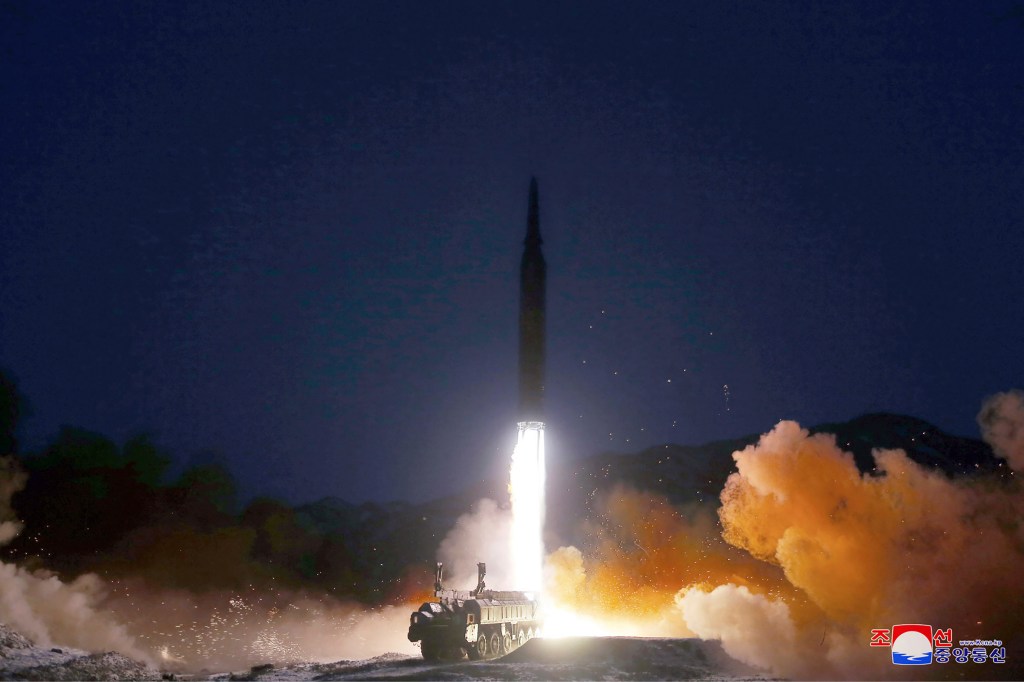
North Korean hypersonic threat is an alarming wake-up call for how we innovate
The linear development model of old just doesn’t work anymore.
-
Three steps to help defense innovation break free from its shackles
The United States simply cannot meet the national security challenges it faces over the next decade if the resource allocation process is not brought into the 21st century.
-

NATO should shut the door, but not because Russia said so
Keeping the option of NATO enlargement on the table is a faulty policy on an ordinary day. In the case of Ukraine, it’s a disservice.
-

The problems at Red Hill in Hawaii are just the start of DoD’s infrastructure liabilities
The ensuing crisis is shedding light on the weaknesses in U.S. military infrastructure that could prove highly problematic in a potential conflict with China. The Pentagon should act decisively to protect Oahu’s aquifers and stop deferring investments in Indo-Pacific posture that are needed to deter Chinese aggression.
-

A yearlong continuing resolution will hinder unmanned systems integration
Failure to pass funding bills will create a domino effect that will harm U.S. national security for years to come by damaging the growing unmanned systems industry.
-

Modernizing US nuclear deterrence presents a rare bipartisan opportunity
A former senator argues America’s intercontinental ballistic missiles are the foundation of nuclear deterrence, but that they must be modernized to remain effective.
-

Three ways the Pentagon can create an automation first culture
Automation has the ability to transform the DoD, but to do so it must become a mission-critical priority on the same level as cybersecurity and other top initiatives. The time to do that is now.
-

Inflation is the silent cyberthreat jeopardizing our workforce
The inflation expectations in 2022 are the highest in decades, which will directly impact the cost to attract and retain a cyber workforce.
-

Hedging US strategy against an emerging China-Russia partnership
Washington needs to get smart about grand strategy again. Otherwise, an anti-U.S. alliance between Russia and China that looks unlikely today could become a reality tomorrow.
-
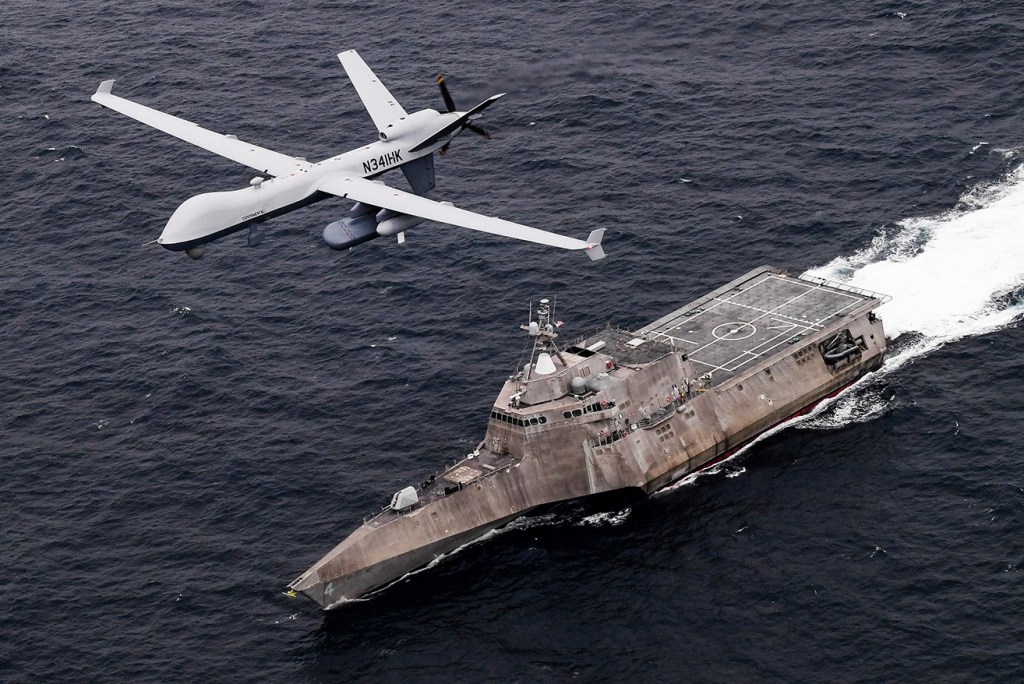
Pacific Deterrence Initiative: A look at funding in the new defense bill, and what must happen now
Congress established the PDI last year for two basic reasons: to better understand what the Pentagon was spending in the Indo-Pacific region, and to change the composition of that spending.