-

What kind of resistance can Ukraine mount?
Although the war has already started, Ukraine will have to make further investments in the preparation and training of civilians, either as mobilized forces or members of voluntary forces, to wage a comprehensive resistance campaign.
-

The new Indo-Pacific Strategy is too shallow
While the new strategy does make some helpful refinements to the original Indo-Pacific strategy written by the Trump administration, it nevertheless falls well short when it comes to developing a coherent logic for where, how and why the U.S. might resort to the use of force in this vast region.
-

It’s time for a climate change version of the Manhattan Project
Global climate change is more than bigger snowstorms and warmer summers; it represents one of the most acute and dangerous threats our national security establishment has ever known.
-

Can we please stop talking about domains?
At some point we began labeling specific maneuver spaces as domains, and in so doing we made multidomain operations unachievable. Instead of joint all-domain concepts, we need joint all-capability effects.
-

The problems with the defense-industrial base aren’t about the contractors
Saying DoD needs “to spur increased competition” implies negative consequences from too little competition today, yet the report is based in part on a skewed view of limited data, including dollars awarded competitively.
-

America needs a robust, resilient supply chain for semiconductors
The United States is at a precarious juncture where private and public sector missteps could erode our technological superiority.
-

Demilitarize civilian cyber defense, and you’ll gain deterrence
By constantly flexing the military’s cyber muscles to defend the homeland from inbound criminal cyber activity, the public demand for a broad federal response to illegal cyber activity is satisfied. Still, over time, the potential adversary will understand our military’s offensive cyber operations’ tactics, techniques and procedures.
-
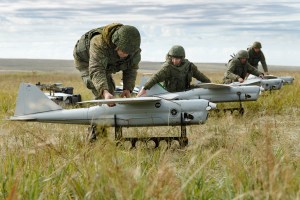
Low-flying threats challenge NATO’s deterrence in the East
In the event of a conflict with Russia, U.S. and NATO air forces will confront a contested air littoral — that is, the airspace between ground forces and high-end fighters and bombers.
-
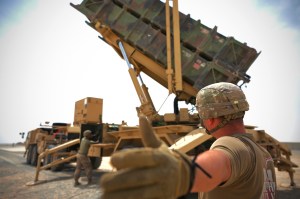
Here’s how the US can reestablish a measure of deterrence against Iran
Undue restraint in the face of aggression has been dangerously provocative and is becoming evermore so. It’s time for President Joe Biden to change course.
-
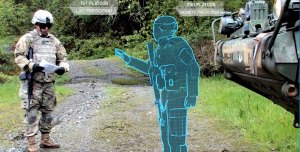
Five ways synthetic environments can benefit NATO
Predicting an adversary’s intentions and operational aims remains a thorny challenge.
-
What kind of resistance can Ukraine mount?
Although the war has already started, Ukraine will have to make further investments in the preparation and training of civilians, either as mobilized forces or members of voluntary forces, to wage a comprehensive resistance campaign.
-
The new Indo-Pacific Strategy is too shallow
While the new strategy does make some helpful refinements to the original Indo-Pacific strategy written by the Trump administration, it nevertheless falls well short when it comes to developing a coherent logic for where, how and why the U.S. might resort to the use of force in this vast region.
-
It’s time for a climate change version of the Manhattan Project
Global climate change is more than bigger snowstorms and warmer summers; it represents one of the most acute and dangerous threats our national security establishment has ever known.
-
Can we please stop talking about domains?
At some point we began labeling specific maneuver spaces as domains, and in so doing we made multidomain operations unachievable. Instead of joint all-domain concepts, we need joint all-capability effects.
-
The problems with the defense-industrial base aren’t about the contractors
Saying DoD needs “to spur increased competition” implies negative consequences from too little competition today, yet the report is based in part on a skewed view of limited data, including dollars awarded competitively.
-
America needs a robust, resilient supply chain for semiconductors
The United States is at a precarious juncture where private and public sector missteps could erode our technological superiority.
-
Demilitarize civilian cyber defense, and you’ll gain deterrence
By constantly flexing the military’s cyber muscles to defend the homeland from inbound criminal cyber activity, the public demand for a broad federal response to illegal cyber activity is satisfied. Still, over time, the potential adversary will understand our military’s offensive cyber operations’ tactics, techniques and procedures.
-
Low-flying threats challenge NATO’s deterrence in the East
In the event of a conflict with Russia, U.S. and NATO air forces will confront a contested air littoral — that is, the airspace between ground forces and high-end fighters and bombers.
-
Here’s how the US can reestablish a measure of deterrence against Iran
Undue restraint in the face of aggression has been dangerously provocative and is becoming evermore so. It’s time for President Joe Biden to change course.
-
Five ways synthetic environments can benefit NATO
Predicting an adversary’s intentions and operational aims remains a thorny challenge.
-

What kind of resistance can Ukraine mount?
Although the war has already started, Ukraine will have to make further investments in the preparation and training of civilians, either as mobilized forces or members of voluntary forces, to wage a comprehensive resistance campaign.
-

The new Indo-Pacific Strategy is too shallow
While the new strategy does make some helpful refinements to the original Indo-Pacific strategy written by the Trump administration, it nevertheless falls well short when it comes to developing a coherent logic for where, how and why the U.S. might resort to the use of force in this vast region.
-
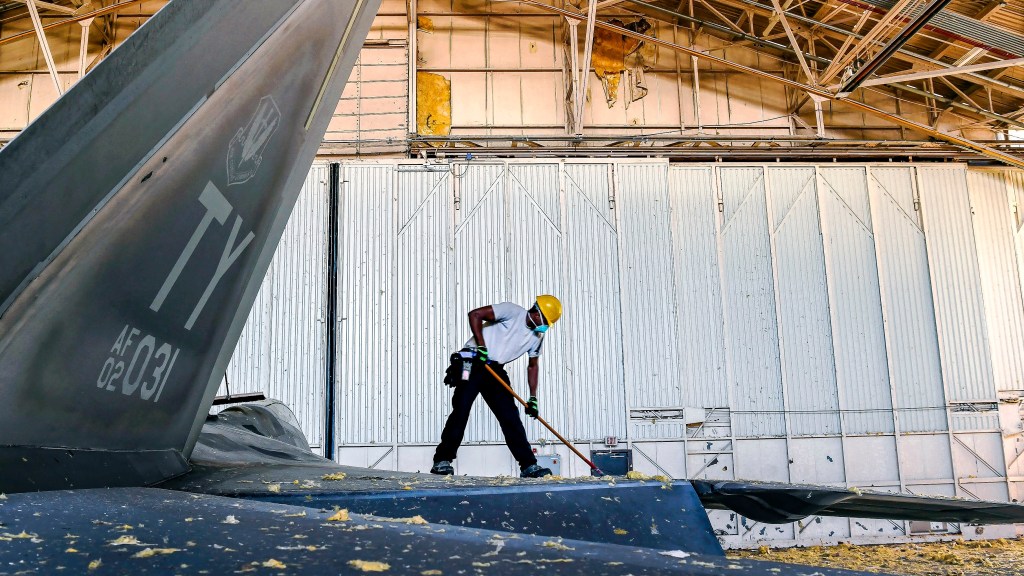
It’s time for a climate change version of the Manhattan Project
Global climate change is more than bigger snowstorms and warmer summers; it represents one of the most acute and dangerous threats our national security establishment has ever known.
-

Can we please stop talking about domains?
At some point we began labeling specific maneuver spaces as domains, and in so doing we made multidomain operations unachievable. Instead of joint all-domain concepts, we need joint all-capability effects.
-

The problems with the defense-industrial base aren’t about the contractors
Saying DoD needs “to spur increased competition” implies negative consequences from too little competition today, yet the report is based in part on a skewed view of limited data, including dollars awarded competitively.
-

America needs a robust, resilient supply chain for semiconductors
The United States is at a precarious juncture where private and public sector missteps could erode our technological superiority.
-

Demilitarize civilian cyber defense, and you’ll gain deterrence
By constantly flexing the military’s cyber muscles to defend the homeland from inbound criminal cyber activity, the public demand for a broad federal response to illegal cyber activity is satisfied. Still, over time, the potential adversary will understand our military’s offensive cyber operations’ tactics, techniques and procedures.
-
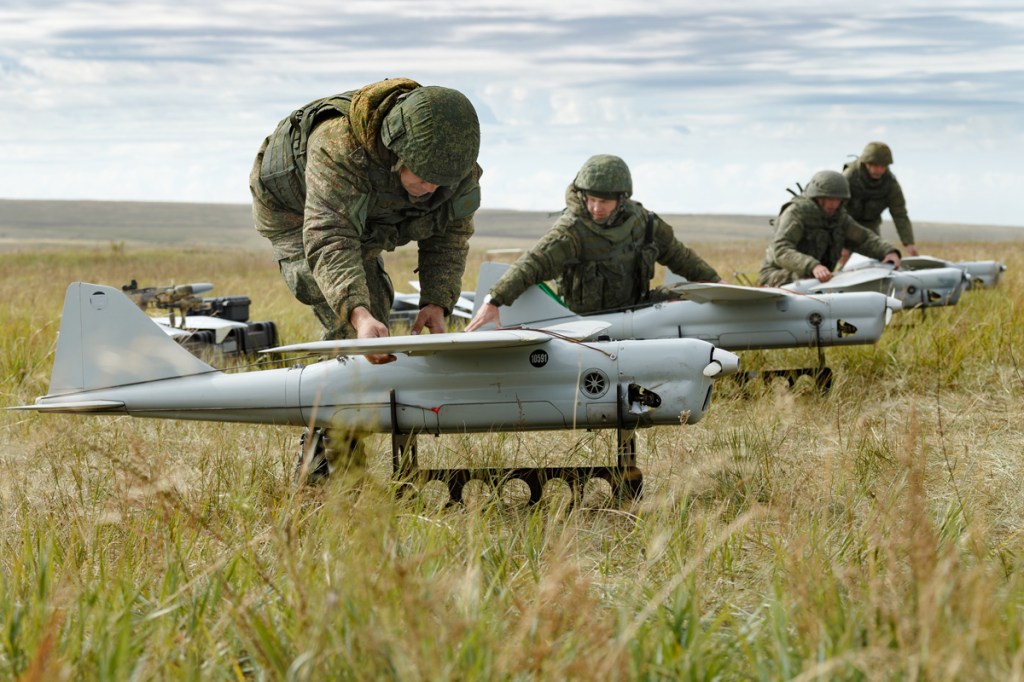
Low-flying threats challenge NATO’s deterrence in the East
In the event of a conflict with Russia, U.S. and NATO air forces will confront a contested air littoral — that is, the airspace between ground forces and high-end fighters and bombers.
-
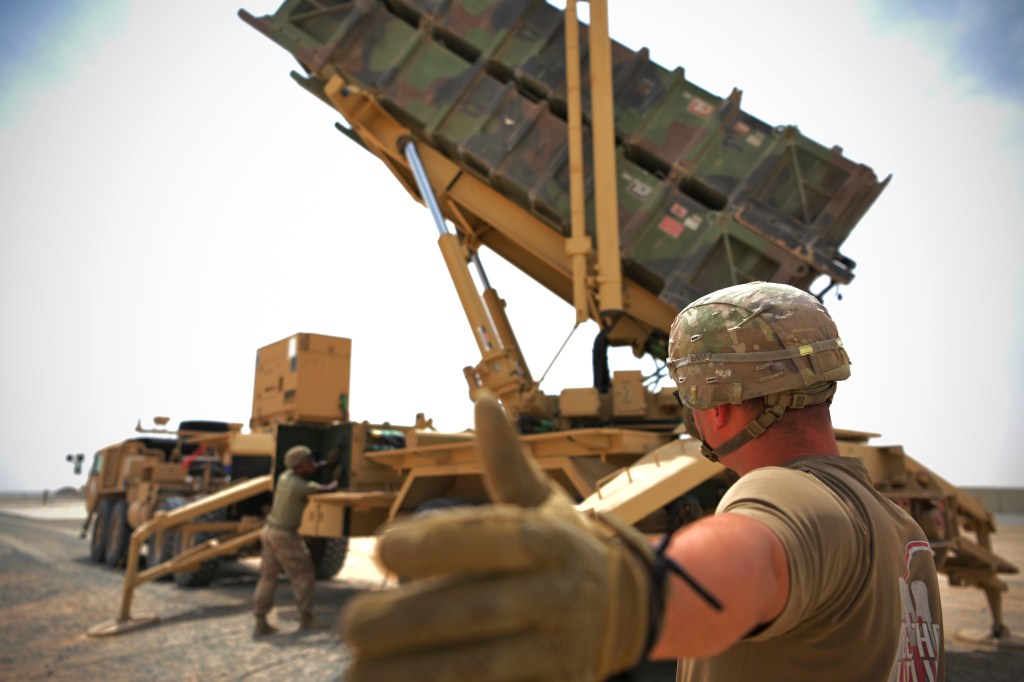
Here’s how the US can reestablish a measure of deterrence against Iran
Undue restraint in the face of aggression has been dangerously provocative and is becoming evermore so. It’s time for President Joe Biden to change course.
-
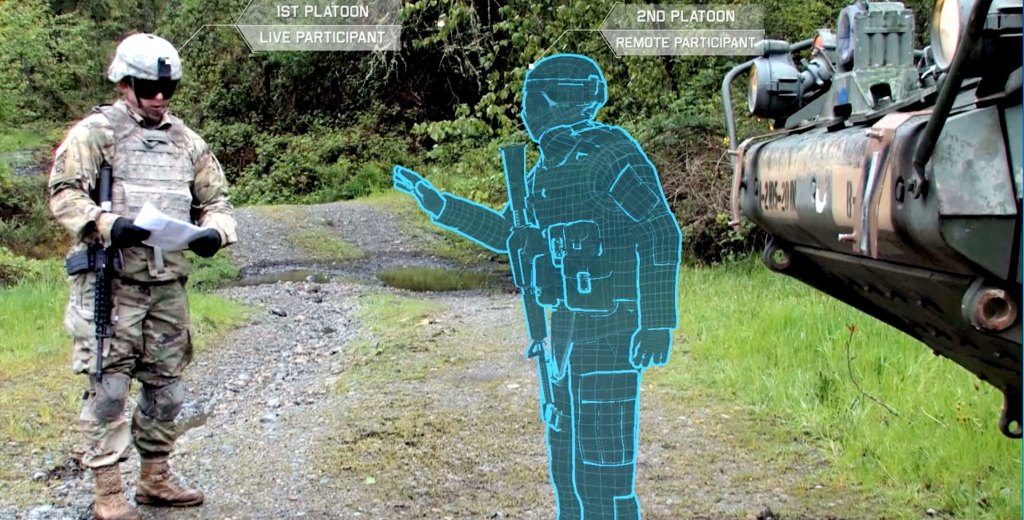
Five ways synthetic environments can benefit NATO
Predicting an adversary’s intentions and operational aims remains a thorny challenge.