-
NATO helicopter program could be next battleground between US, European defense industries
Multiple allies want to add a new medium-lift, multirole helicopter to their fleets, and are launching a joint effort to develop a common set of requirements.
-

As NATO rolls out 2030 agenda, will it find its place in the space race?
NATO still has to figure out how it can harness military space capabilities that are unevenly spread among its member states.
-

Thales, Atos take on big data and artificial intelligence in new joint venture
This new partnership comes as nations across Europe, and beyond, are targeting AI and big-data as key enabling technologies for future military capabilities.
-
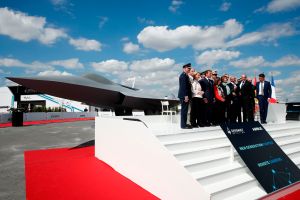
FCAS developers chasing the sweet spot in mix of fighter, drone designs
What types of fighters, what kinds of drones? Developers of the Future Combat Air System are still looking for for answers.
-
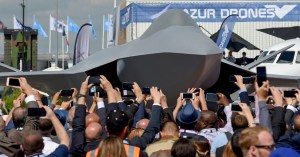
New trinational deal paves way for FCAS demonstrator program
Nearly four years after the pan-European Future Combat Air System (FCAS) program was first brought to light, the three partner nations have reached a deal to develop a demonstrator fighter aircraft by 2027.
-

Cloudy vision: Can NATO’s new deployable combat system focus the field?
NATO is on a time crunch to develop new cloud technologies that can help the alliance set interoperability standards for its member nations’ own nascent computing infrastructures.
-
French Senate confirms new industry pact for FCAS fighter jet program
The two companies leading the trinational Future Combat Air System (FCAS) effort have completed a deal on the program’s centerpiece: the next-generation fighter aircraft.
-
Where does NATO fit into the global hypersonic contest?
Alliance leaders are considering a coordinated role to stitch together the development efforts in the 30 member nations.
-

Artificial intelligence leads NATO’s new strategy for emerging and disruptive tech
NATO and its member nations have formally agreed upon how the alliance should target and coordinate investments in emerging and disruptive technology.
-
NATO leader: Allies must avoid capability gaps while investing in disruptive tech
“We need to make sure that when different allies have more and more advanced capabilities — aircraft, battle tanks, ships, drones, whatever it is — that they can communicate, that we don’t end up with a new technological gap,” said Secretary-General Jens Stoltenberg.
-
NATO helicopter program could be next battleground between US, European defense industries
Multiple allies want to add a new medium-lift, multirole helicopter to their fleets, and are launching a joint effort to develop a common set of requirements.
-
As NATO rolls out 2030 agenda, will it find its place in the space race?
NATO still has to figure out how it can harness military space capabilities that are unevenly spread among its member states.
-
Thales, Atos take on big data and artificial intelligence in new joint venture
This new partnership comes as nations across Europe, and beyond, are targeting AI and big-data as key enabling technologies for future military capabilities.
-
FCAS developers chasing the sweet spot in mix of fighter, drone designs
What types of fighters, what kinds of drones? Developers of the Future Combat Air System are still looking for for answers.
-
New trinational deal paves way for FCAS demonstrator program
Nearly four years after the pan-European Future Combat Air System (FCAS) program was first brought to light, the three partner nations have reached a deal to develop a demonstrator fighter aircraft by 2027.
-
Cloudy vision: Can NATO’s new deployable combat system focus the field?
NATO is on a time crunch to develop new cloud technologies that can help the alliance set interoperability standards for its member nations’ own nascent computing infrastructures.
-
French Senate confirms new industry pact for FCAS fighter jet program
The two companies leading the trinational Future Combat Air System (FCAS) effort have completed a deal on the program’s centerpiece: the next-generation fighter aircraft.
-
Where does NATO fit into the global hypersonic contest?
Alliance leaders are considering a coordinated role to stitch together the development efforts in the 30 member nations.
-
Artificial intelligence leads NATO’s new strategy for emerging and disruptive tech
NATO and its member nations have formally agreed upon how the alliance should target and coordinate investments in emerging and disruptive technology.
-
NATO leader: Allies must avoid capability gaps while investing in disruptive tech
“We need to make sure that when different allies have more and more advanced capabilities — aircraft, battle tanks, ships, drones, whatever it is — that they can communicate, that we don’t end up with a new technological gap,” said Secretary-General Jens Stoltenberg.
-
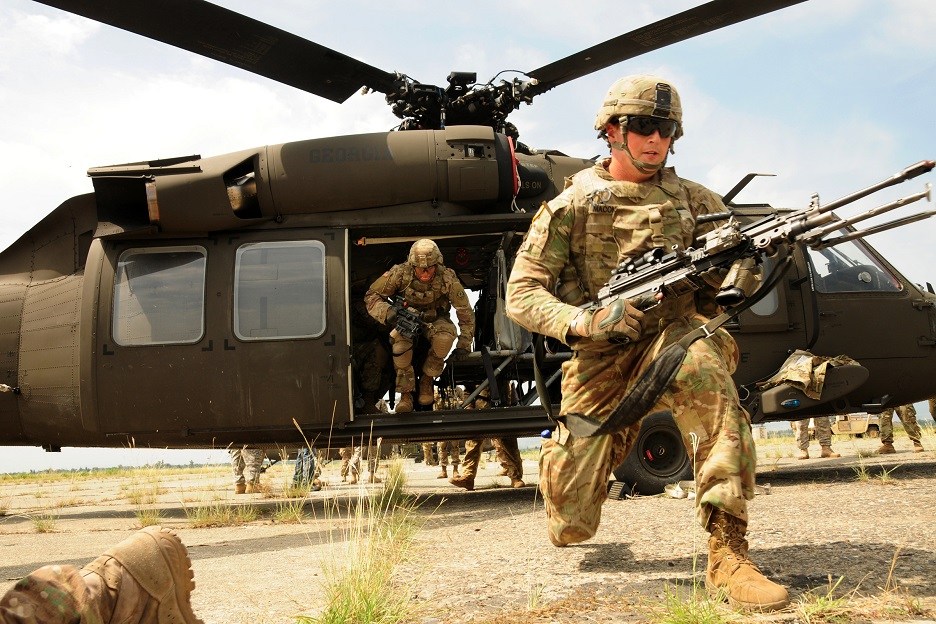
NATO helicopter program could be next battleground between US, European defense industries
Multiple allies want to add a new medium-lift, multirole helicopter to their fleets, and are launching a joint effort to develop a common set of requirements.
-

As NATO rolls out 2030 agenda, will it find its place in the space race?
NATO still has to figure out how it can harness military space capabilities that are unevenly spread among its member states.
-

Thales, Atos take on big data and artificial intelligence in new joint venture
This new partnership comes as nations across Europe, and beyond, are targeting AI and big-data as key enabling technologies for future military capabilities.
-
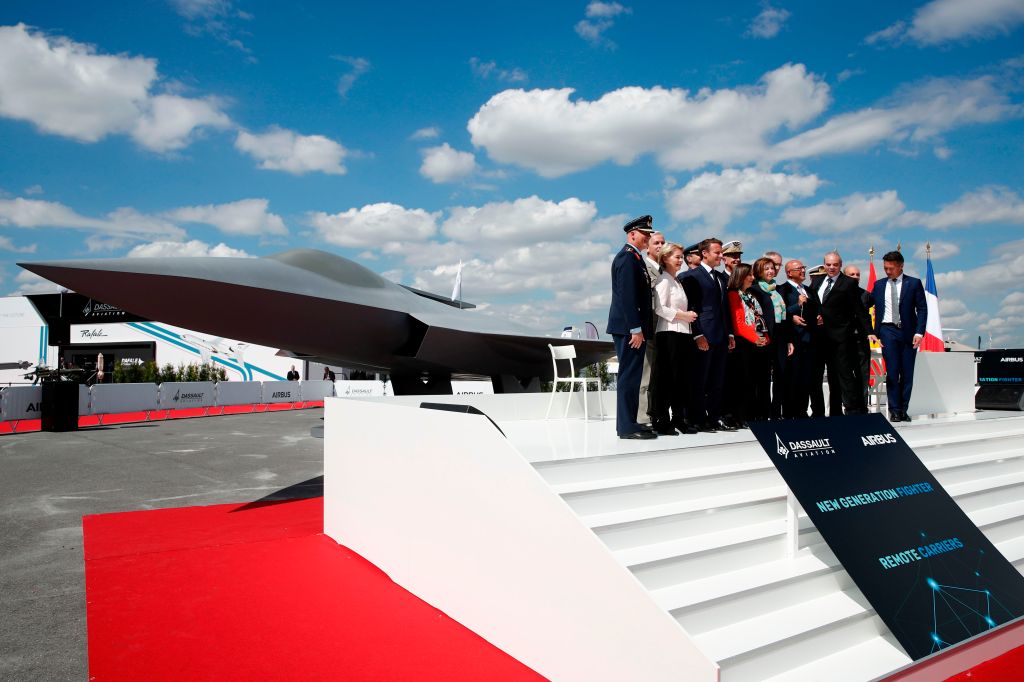
FCAS developers chasing the sweet spot in mix of fighter, drone designs
What types of fighters, what kinds of drones? Developers of the Future Combat Air System are still looking for for answers.
-
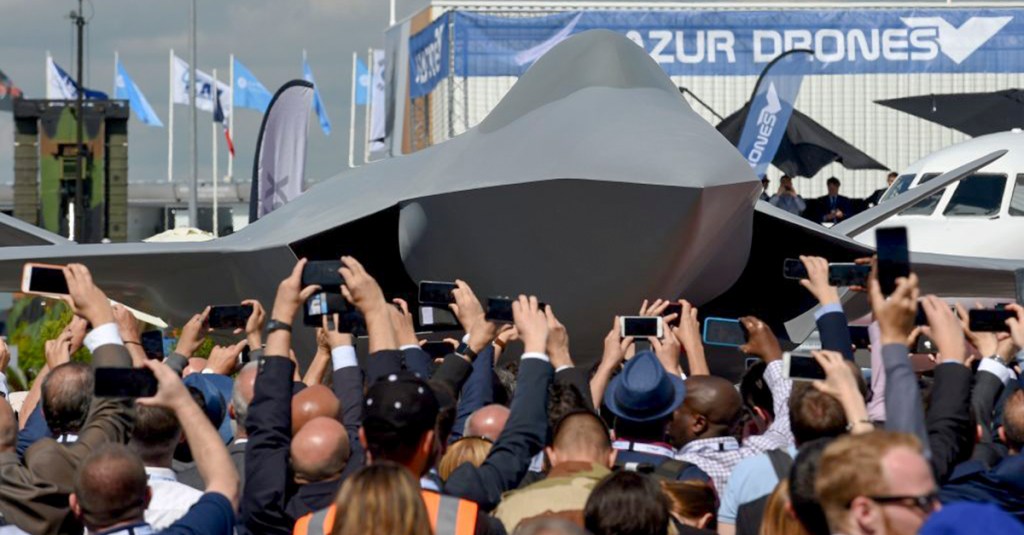
New trinational deal paves way for FCAS demonstrator program
Nearly four years after the pan-European Future Combat Air System (FCAS) program was first brought to light, the three partner nations have reached a deal to develop a demonstrator fighter aircraft by 2027.
-

Cloudy vision: Can NATO’s new deployable combat system focus the field?
NATO is on a time crunch to develop new cloud technologies that can help the alliance set interoperability standards for its member nations’ own nascent computing infrastructures.
-
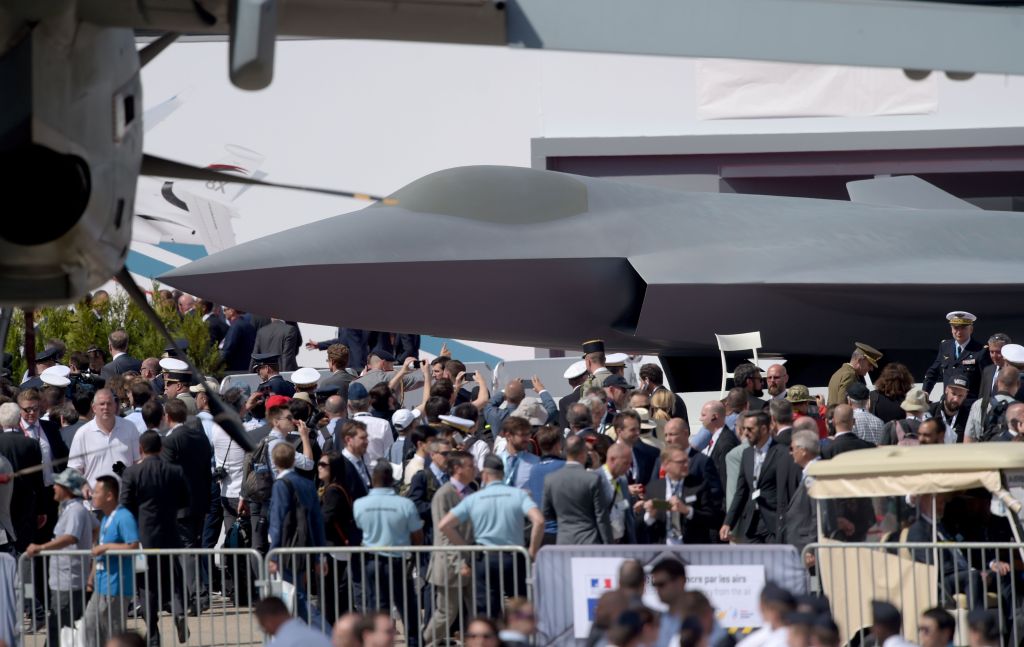
French Senate confirms new industry pact for FCAS fighter jet program
The two companies leading the trinational Future Combat Air System (FCAS) effort have completed a deal on the program’s centerpiece: the next-generation fighter aircraft.
-
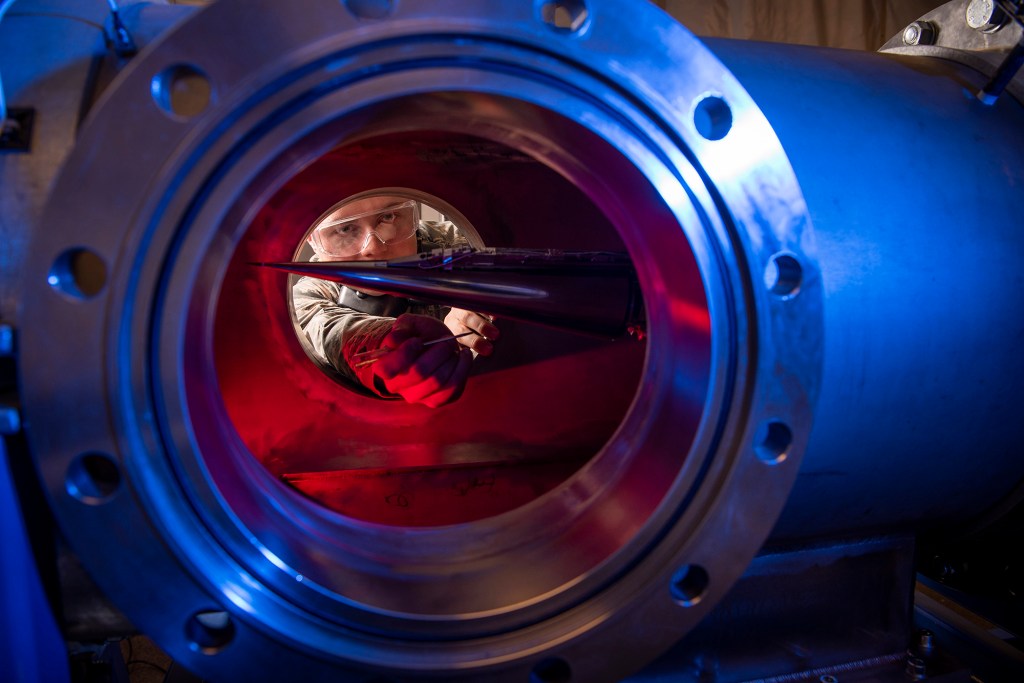
Where does NATO fit into the global hypersonic contest?
Alliance leaders are considering a coordinated role to stitch together the development efforts in the 30 member nations.
-

Artificial intelligence leads NATO’s new strategy for emerging and disruptive tech
NATO and its member nations have formally agreed upon how the alliance should target and coordinate investments in emerging and disruptive technology.
-
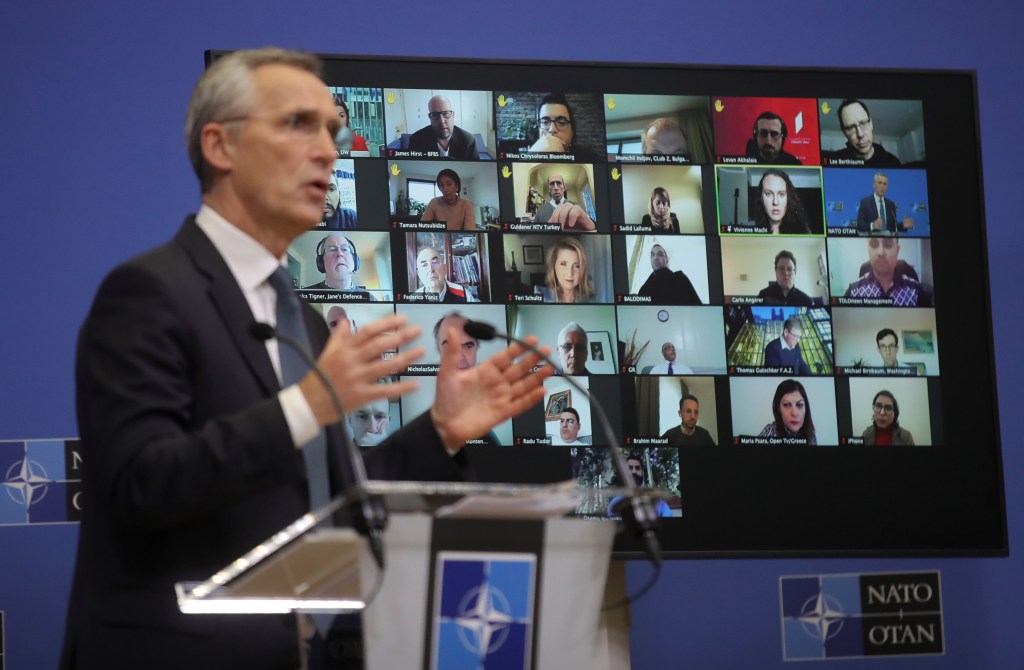
NATO leader: Allies must avoid capability gaps while investing in disruptive tech
“We need to make sure that when different allies have more and more advanced capabilities — aircraft, battle tanks, ships, drones, whatever it is — that they can communicate, that we don’t end up with a new technological gap,” said Secretary-General Jens Stoltenberg.