-
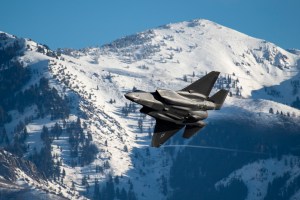
F-35 engine review pushed back months as government takes closer look
The engine upgrades are expected to give the F-35 more power, thrust and cooling ability as well as allow a major modernization of the fighter.
-
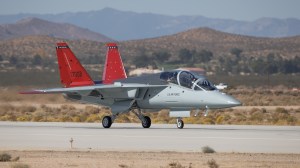
Boeing pushes back T-7 plans due to faulty parts
Boeing said the companies that produced the parts with quality problems acted quickly to fix them, and it is moving to finish building the final test jets.
-
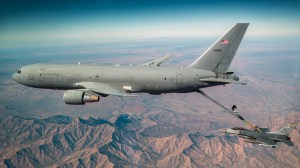
Boeing defense unit reports $139M loss across three major programs
Charges on Boeing’s five major defense fixed-price programs also totaled $1.6 billion throughout 2023.
-
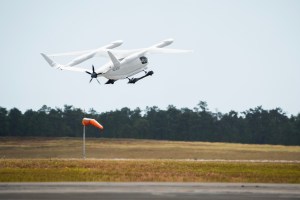
Air Force’s electric aircraft test ends with simulated casualty evac
The Air Force is looking for ways to use electric aircraft for everything from shuttling cargo and passengers around a base to evacuating downed airmen.
-

Boeing expects Grey Wolf helicopter deliveries to Air Force this year
The Air Force plans to buy up to 80 of these helicopters to replace their fleet of Vietnam-era Hueys and patrol nuclear missile fields.
-
No more ‘must-wins’: Defense firms growing warier of fixed-price deals
Multiple defense firms are slamming fixed-price contracts as bad deals, and warning they might walk away from such competitions.
-
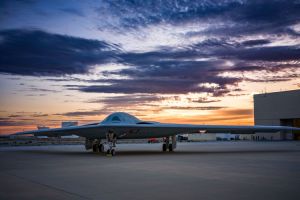
Rising B-21 production costs lead to $1.6B charge for Northrop
CEO Kathy Warden also said the company is working with the Pentagon to try to bring down costs for the over-budget Sentinel nuclear missile.
-
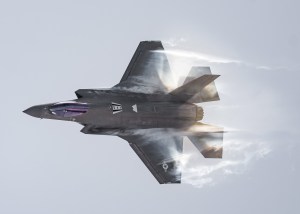
Upgraded F-35 deliveries slipping to fall 2024, Lockheed says
If the F-35 upgrades known as Technology Refresh 3 aren’t ready for deliveries to resume in the third quarter, Lockheed said it may slow down production.
-
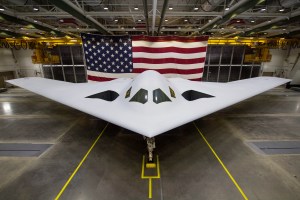
Pentagon OKs B-21 for low-rate production after successful tests
The Pentagon said the “mature” plans for producing the Northrop Grumman-made bomber also contributed to its decision to move forward with production.
-

Air Force’s next nuclear missile at risk after costs spike
The LGM-35A Sentinel nuclear missile has seen its costs increase at least 37%, triggering a review that could see the program restructured or canceled.
-
F-35 engine review pushed back months as government takes closer look
The engine upgrades are expected to give the F-35 more power, thrust and cooling ability as well as allow a major modernization of the fighter.
-
Boeing pushes back T-7 plans due to faulty parts
Boeing said the companies that produced the parts with quality problems acted quickly to fix them, and it is moving to finish building the final test jets.
-
Boeing defense unit reports $139M loss across three major programs
Charges on Boeing’s five major defense fixed-price programs also totaled $1.6 billion throughout 2023.
-
Air Force’s electric aircraft test ends with simulated casualty evac
The Air Force is looking for ways to use electric aircraft for everything from shuttling cargo and passengers around a base to evacuating downed airmen.
-
Boeing expects Grey Wolf helicopter deliveries to Air Force this year
The Air Force plans to buy up to 80 of these helicopters to replace their fleet of Vietnam-era Hueys and patrol nuclear missile fields.
-
No more ‘must-wins’: Defense firms growing warier of fixed-price deals
Multiple defense firms are slamming fixed-price contracts as bad deals, and warning they might walk away from such competitions.
-
Rising B-21 production costs lead to $1.6B charge for Northrop
CEO Kathy Warden also said the company is working with the Pentagon to try to bring down costs for the over-budget Sentinel nuclear missile.
-
Upgraded F-35 deliveries slipping to fall 2024, Lockheed says
If the F-35 upgrades known as Technology Refresh 3 aren’t ready for deliveries to resume in the third quarter, Lockheed said it may slow down production.
-
Pentagon OKs B-21 for low-rate production after successful tests
The Pentagon said the “mature” plans for producing the Northrop Grumman-made bomber also contributed to its decision to move forward with production.
-
Air Force’s next nuclear missile at risk after costs spike
The LGM-35A Sentinel nuclear missile has seen its costs increase at least 37%, triggering a review that could see the program restructured or canceled.
-
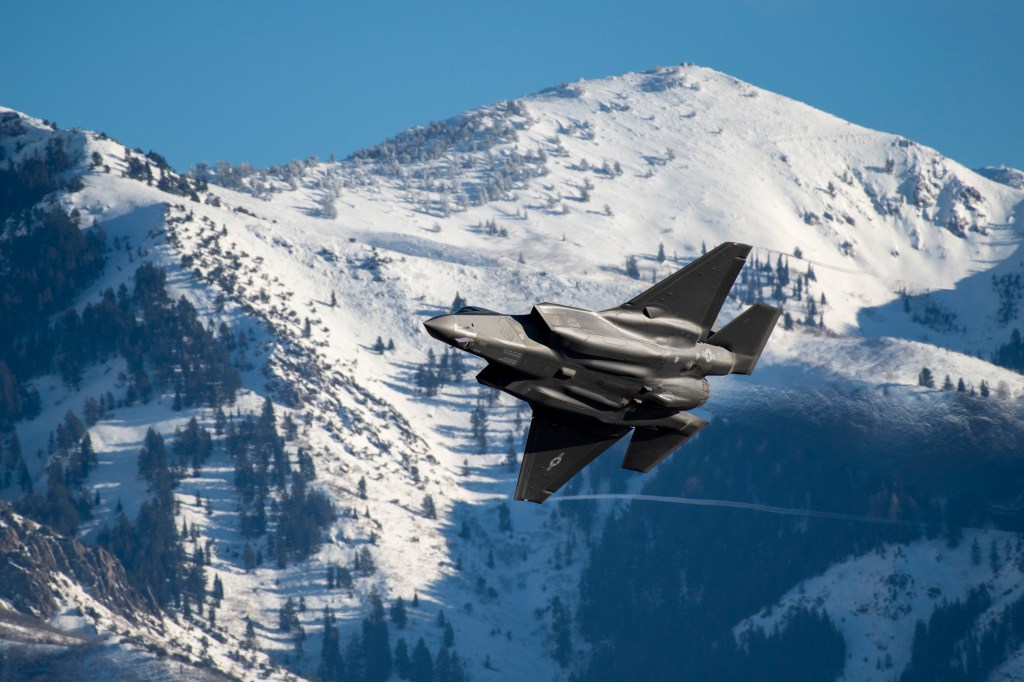
F-35 engine review pushed back months as government takes closer look
The engine upgrades are expected to give the F-35 more power, thrust and cooling ability as well as allow a major modernization of the fighter.
-
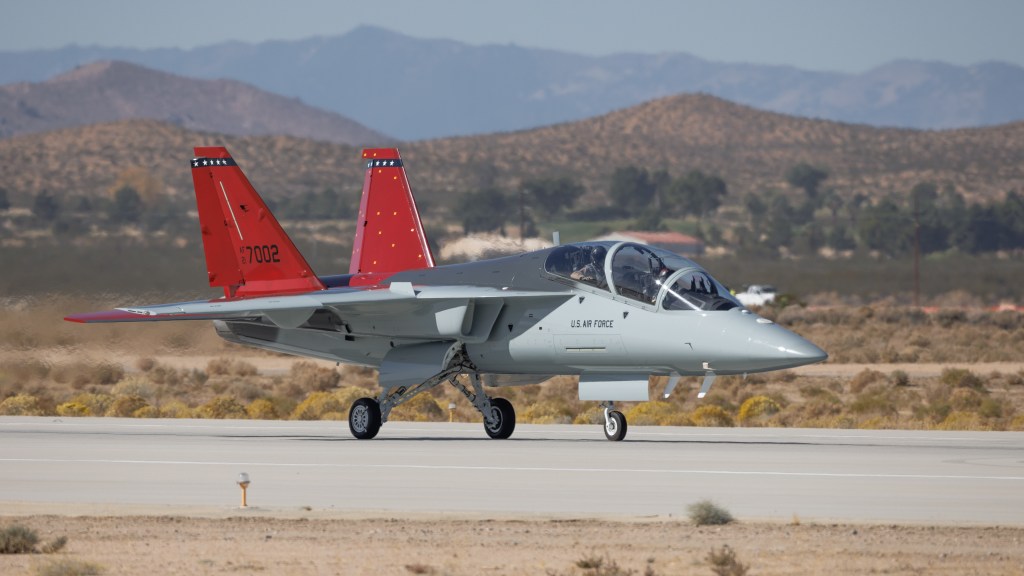
Boeing pushes back T-7 plans due to faulty parts
Boeing said the companies that produced the parts with quality problems acted quickly to fix them, and it is moving to finish building the final test jets.
-
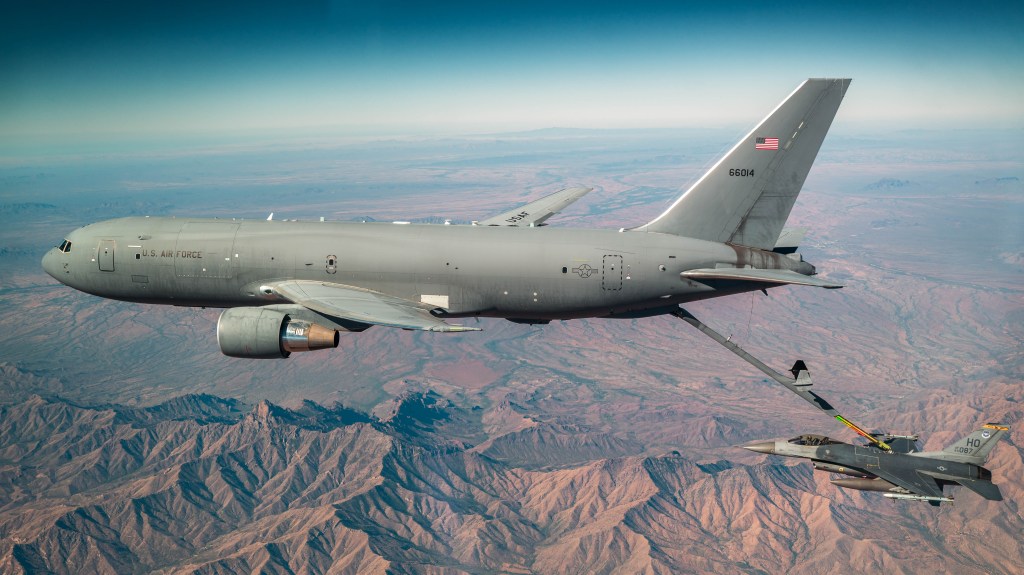
Boeing defense unit reports $139M loss across three major programs
Charges on Boeing’s five major defense fixed-price programs also totaled $1.6 billion throughout 2023.
-
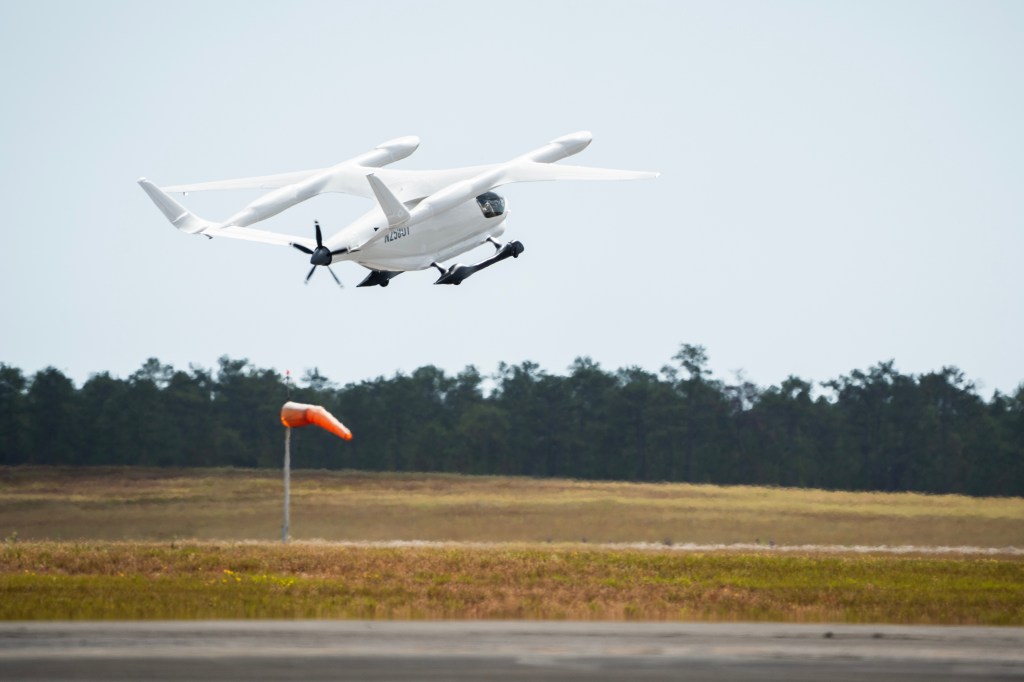
Air Force’s electric aircraft test ends with simulated casualty evac
The Air Force is looking for ways to use electric aircraft for everything from shuttling cargo and passengers around a base to evacuating downed airmen.
-
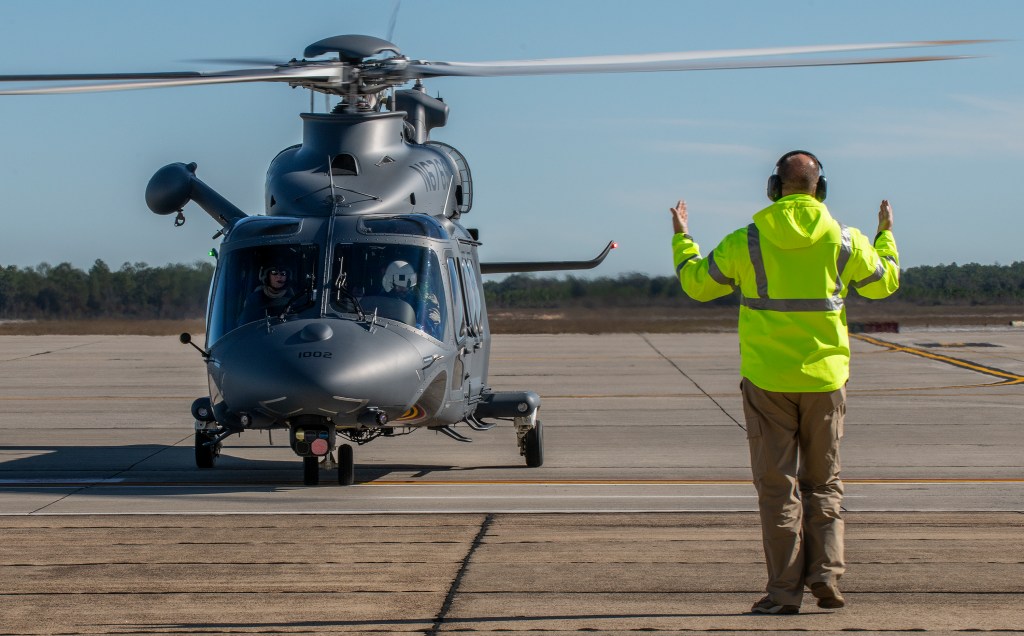
Boeing expects Grey Wolf helicopter deliveries to Air Force this year
The Air Force plans to buy up to 80 of these helicopters to replace their fleet of Vietnam-era Hueys and patrol nuclear missile fields.
-
No more ‘must-wins’: Defense firms growing warier of fixed-price deals
Multiple defense firms are slamming fixed-price contracts as bad deals, and warning they might walk away from such competitions.
-

Rising B-21 production costs lead to $1.6B charge for Northrop
CEO Kathy Warden also said the company is working with the Pentagon to try to bring down costs for the over-budget Sentinel nuclear missile.
-
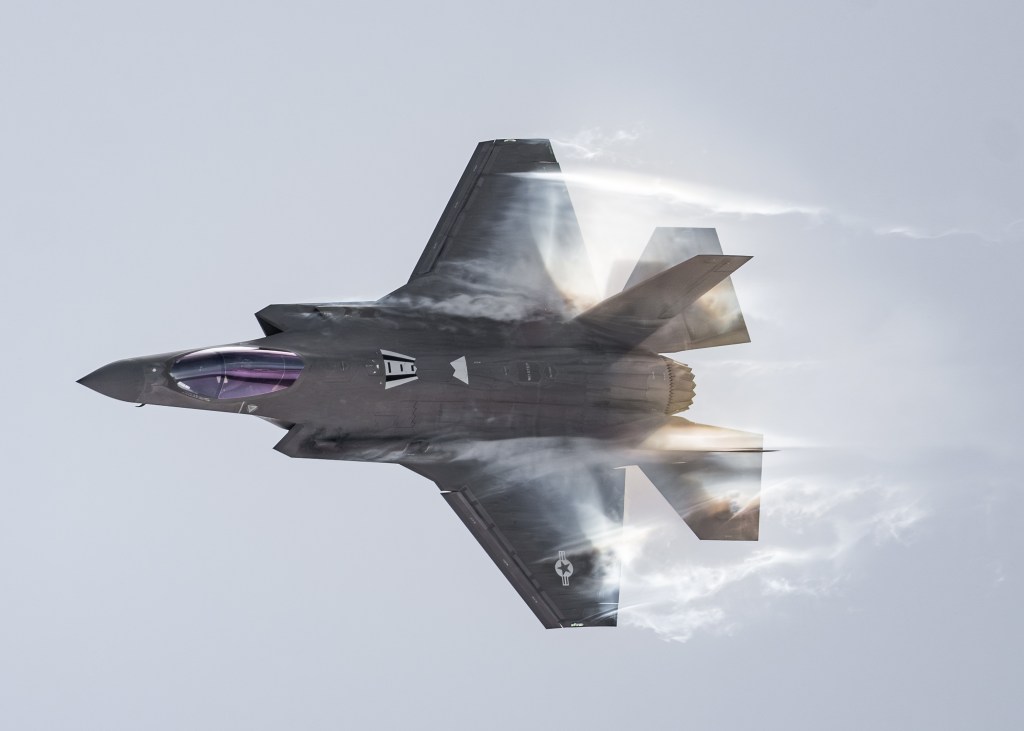
Upgraded F-35 deliveries slipping to fall 2024, Lockheed says
If the F-35 upgrades known as Technology Refresh 3 aren’t ready for deliveries to resume in the third quarter, Lockheed said it may slow down production.
-
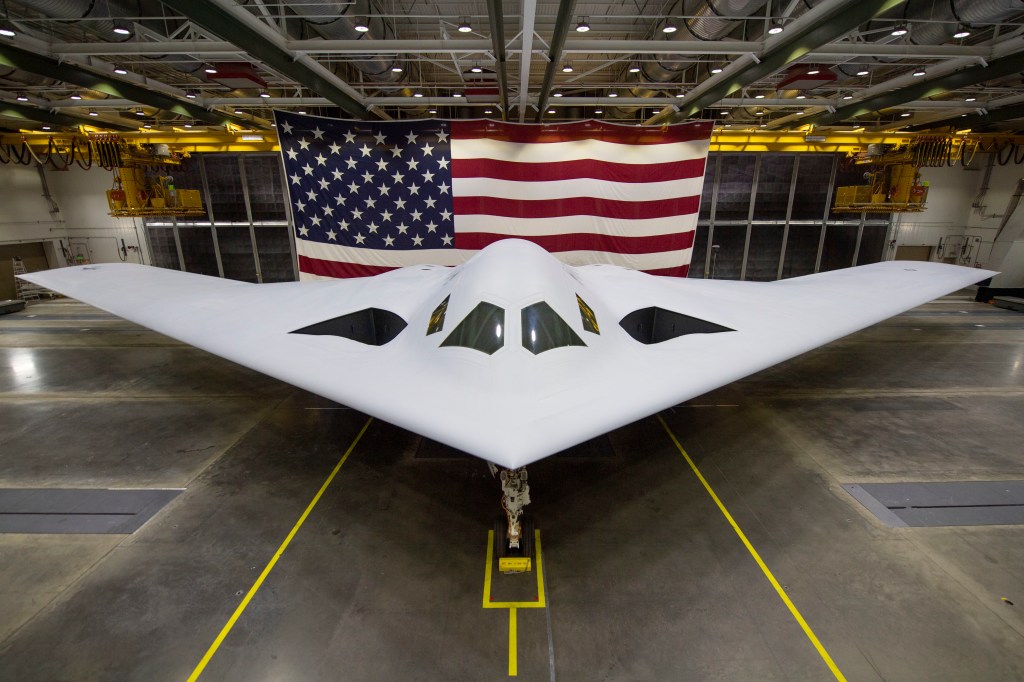
Pentagon OKs B-21 for low-rate production after successful tests
The Pentagon said the “mature” plans for producing the Northrop Grumman-made bomber also contributed to its decision to move forward with production.
-

Air Force’s next nuclear missile at risk after costs spike
The LGM-35A Sentinel nuclear missile has seen its costs increase at least 37%, triggering a review that could see the program restructured or canceled.