
-
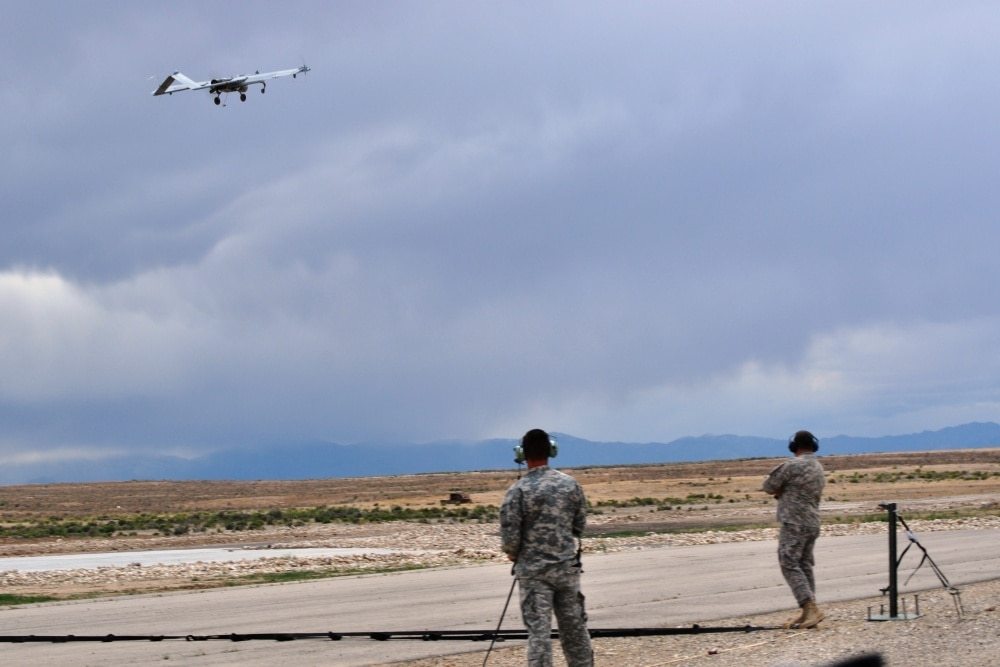
Drone warfare in Mosul shapes US Army training to defeat airborne threats
The U.S. military has been studying the drone threat from the Islamic State group in Iraq for some time now and the Army’s training branch is no exception, taking lessons learned and applying them to major training rotations.
-
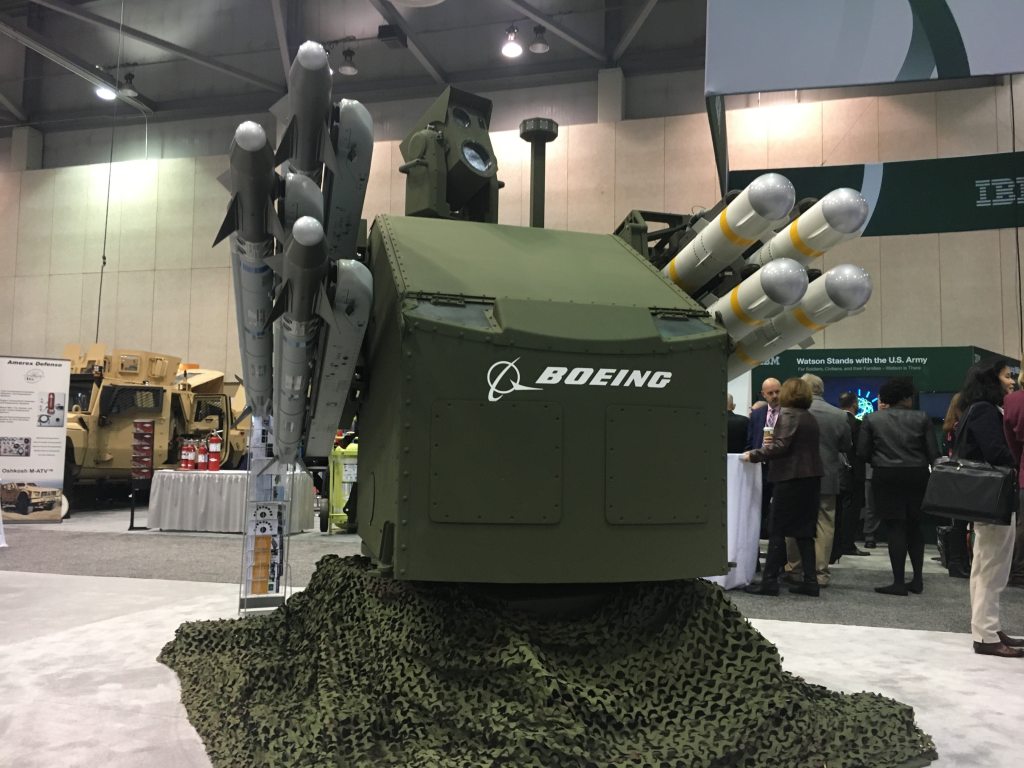
’80s flashback: Boeing soups up old Avenger for short-range air defense gap
Boeing has modernized its 1980s-era Avenger air defense system to answer the Army’s call to fill its Short-range Air Defense gap within the maneuver force.
-
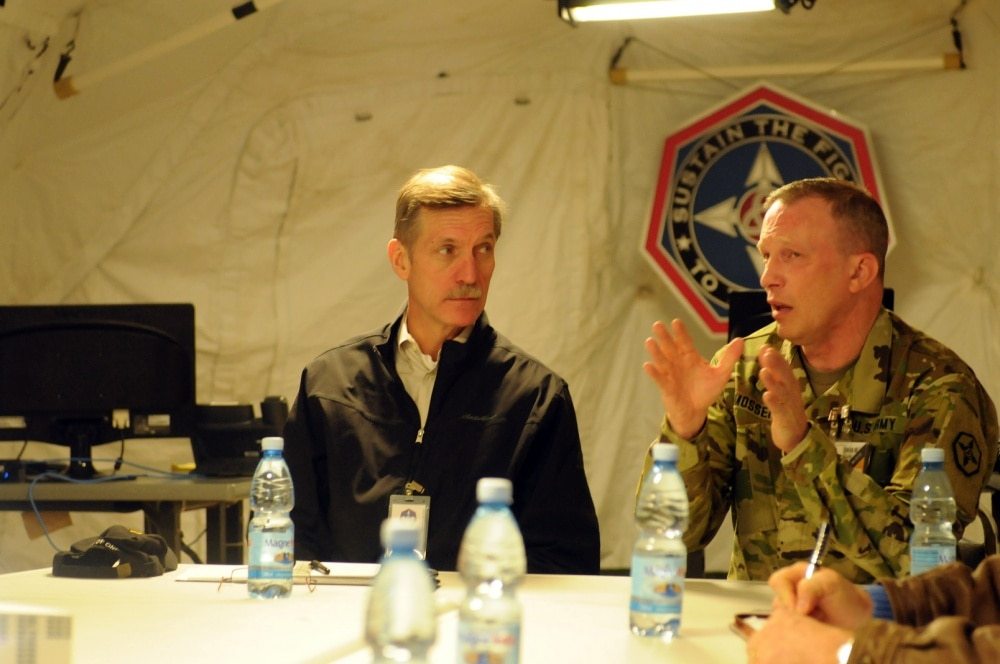
Unpredictable funding seen as biggest threat to Army
The years of unpredictable funding and the threat of its continuation is the biggest threat to the U.S. forces, Karl Schneider, the senior official performing duties of the under secretary of the Army, said Tuesday at the Association of the U.S. Army’s Global Force Symposium.
-
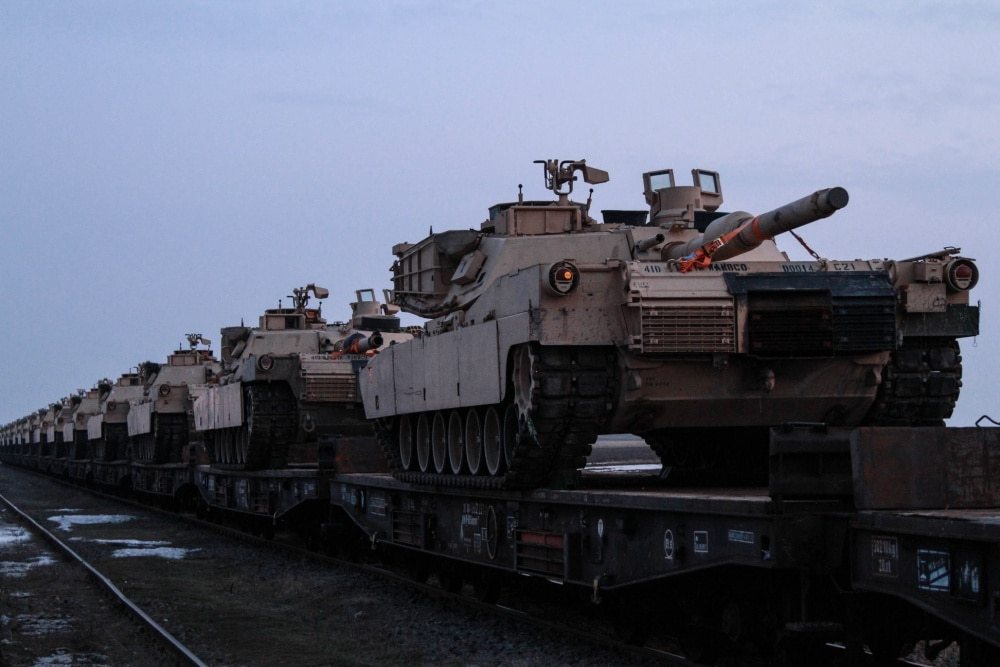
Ditching pre-positioned ‘activity sets,’ US Army deploys equipment from CONUS
Gone are the equipment caches known as “activity sets” stored in Europe and South Korea for deploying units to fall in on for exercises and other operations. The focus now is how well the U.S. Army can deploy units along with all of its equipment from the continental U.S. to other theaters.
-
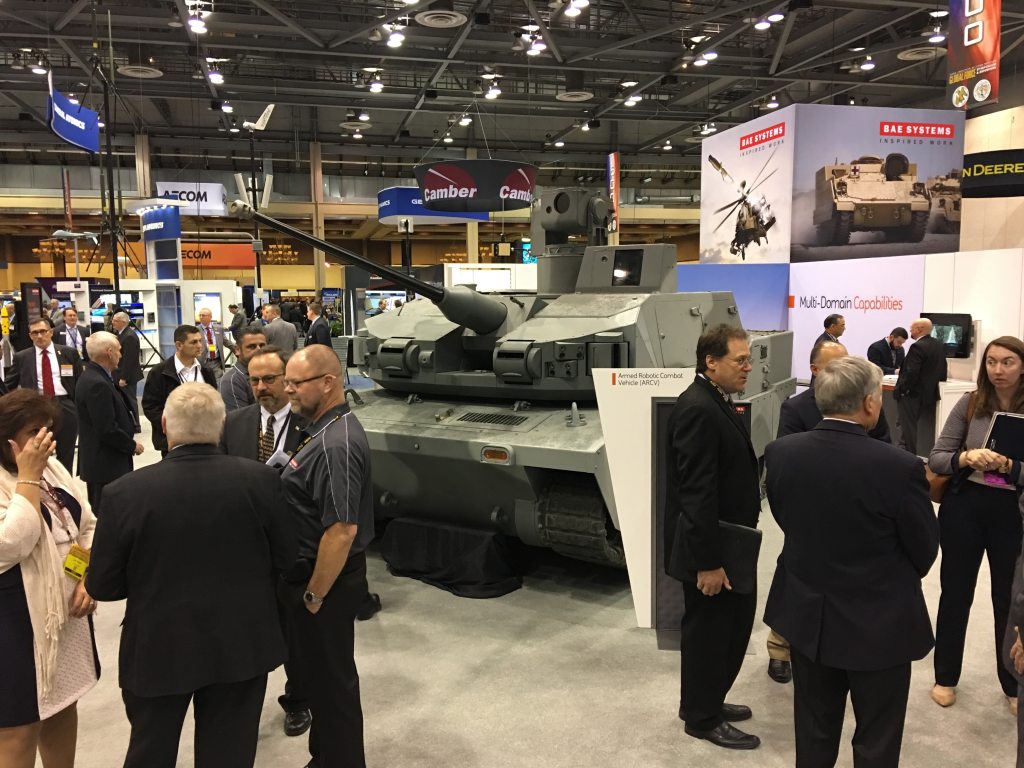
BAE Systems resurrects armed robotic combat vehicle
BAE Systems has resurrected its Armed Robotic Combat Vehicle, originally developed for the now-canceled Future Combat Systems program, as the company aims to meet a demand arising from the recently published Army strategy on robotics and autonomous systems.
-
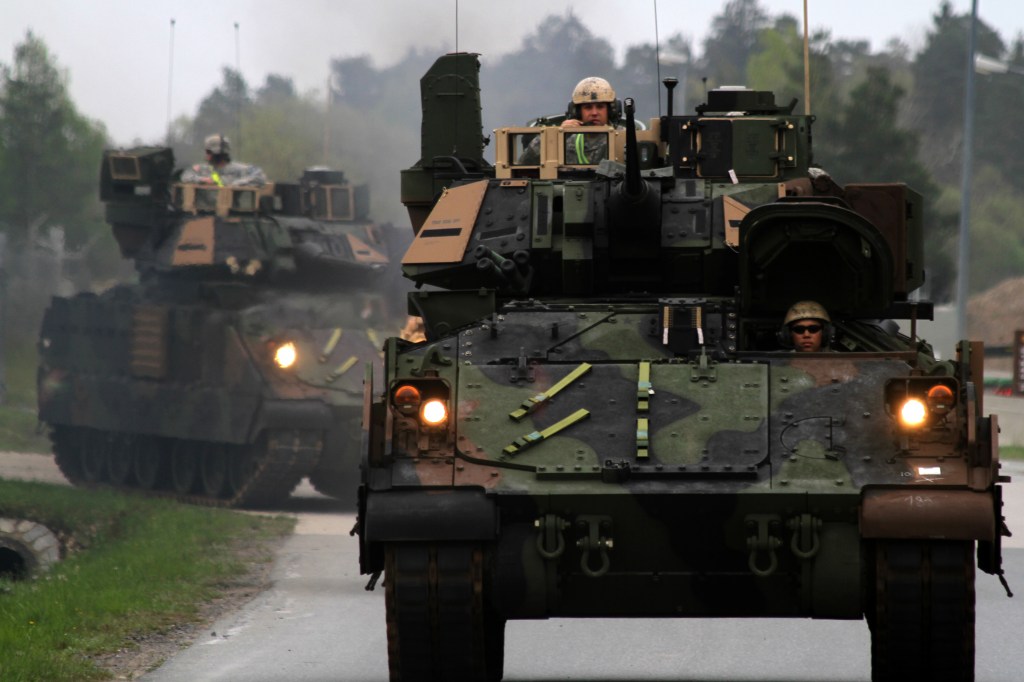
Raytheon looks to solve US Army’s lethality gap
Raytheon is honing its focus on addressing the Army’s lethality gap and has become involved in a variety of projects that look to use capability already resident in its business to shore up that gap in the near term.
-

African militaries wonder what ‘America First’ means for them
African top brass, representing nearly half of the countries that make up the continent, came to the Army War College last week and made the case for stronger leadership roles as they combat challenges in their respective nations.
-
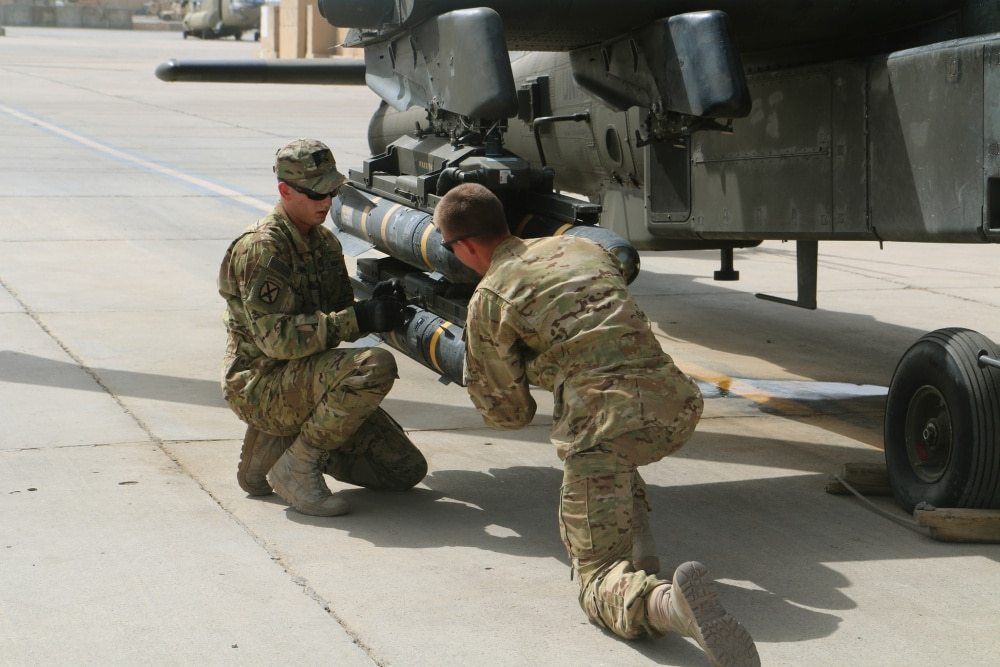
Army concerned over shrinking munitions stockpile
The Army’s deputy chief of staff for logistics said he is concerned about the service’s shrinking munitions stockpile.
-
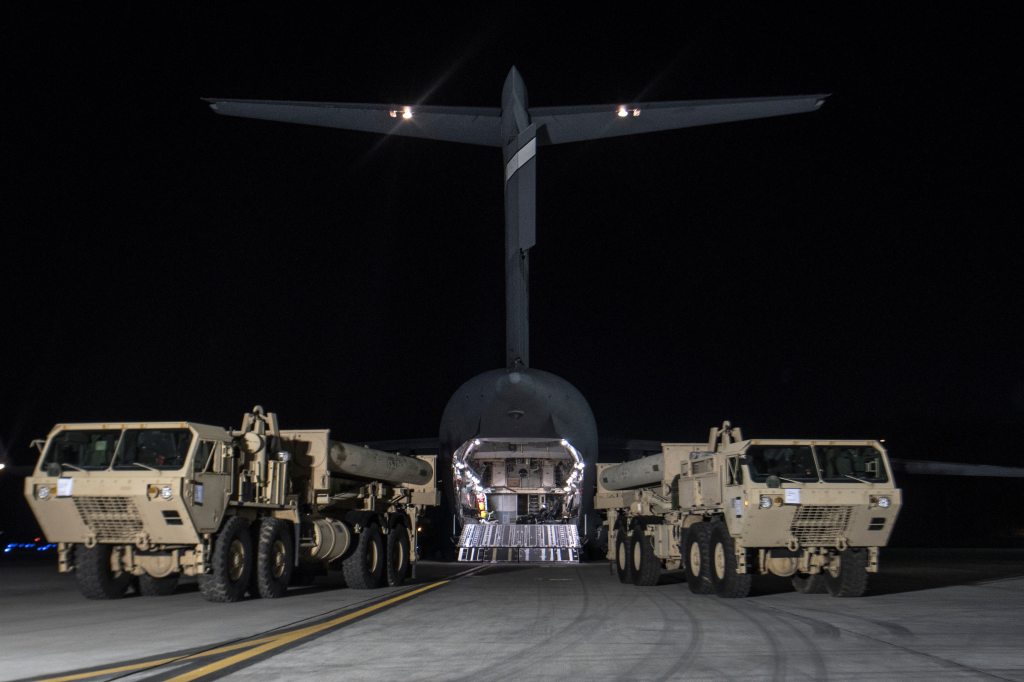
U.S. Army missile defense battery arrives in South Korea
The long-awaited U.S. Army-owned Terminal High Altitude Area Defense system has started to arrive on the Korean peninsula in pieces.
-

At IDEX, Gulf countries make push for indigenous manufacturing
Middle East countries are getting serious about building robust, highly technological defense-manufacturing businesses, primarily driven by the desire to break free of economic dependence on oil.
-
Drone warfare in Mosul shapes US Army training to defeat airborne threats
The U.S. military has been studying the drone threat from the Islamic State group in Iraq for some time now and the Army’s training branch is no exception, taking lessons learned and applying them to major training rotations.
-
’80s flashback: Boeing soups up old Avenger for short-range air defense gap
Boeing has modernized its 1980s-era Avenger air defense system to answer the Army’s call to fill its Short-range Air Defense gap within the maneuver force.
-
Unpredictable funding seen as biggest threat to Army
The years of unpredictable funding and the threat of its continuation is the biggest threat to the U.S. forces, Karl Schneider, the senior official performing duties of the under secretary of the Army, said Tuesday at the Association of the U.S. Army’s Global Force Symposium.
-
Ditching pre-positioned ‘activity sets,’ US Army deploys equipment from CONUS
Gone are the equipment caches known as “activity sets” stored in Europe and South Korea for deploying units to fall in on for exercises and other operations. The focus now is how well the U.S. Army can deploy units along with all of its equipment from the continental U.S. to other theaters.
-
BAE Systems resurrects armed robotic combat vehicle
BAE Systems has resurrected its Armed Robotic Combat Vehicle, originally developed for the now-canceled Future Combat Systems program, as the company aims to meet a demand arising from the recently published Army strategy on robotics and autonomous systems.
-
Raytheon looks to solve US Army’s lethality gap
Raytheon is honing its focus on addressing the Army’s lethality gap and has become involved in a variety of projects that look to use capability already resident in its business to shore up that gap in the near term.
-
African militaries wonder what ‘America First’ means for them
African top brass, representing nearly half of the countries that make up the continent, came to the Army War College last week and made the case for stronger leadership roles as they combat challenges in their respective nations.
-
Army concerned over shrinking munitions stockpile
The Army’s deputy chief of staff for logistics said he is concerned about the service’s shrinking munitions stockpile.
-
U.S. Army missile defense battery arrives in South Korea
The long-awaited U.S. Army-owned Terminal High Altitude Area Defense system has started to arrive on the Korean peninsula in pieces.
-
At IDEX, Gulf countries make push for indigenous manufacturing
Middle East countries are getting serious about building robust, highly technological defense-manufacturing businesses, primarily driven by the desire to break free of economic dependence on oil.