-
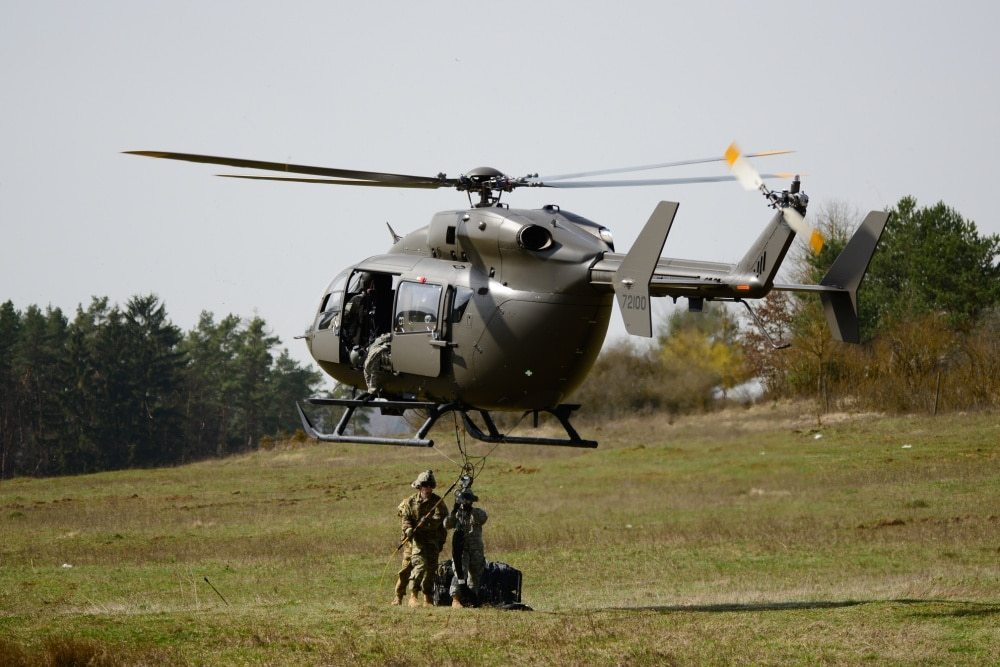
Legacy trainers generating extra costs for helicopter pilot school
The Army is having to keep some legacy trainer helicopters in its fleet at the initial entry rotary-wing training schoolhouse due to a still pending and yearslong lawsuit — and it is generating extra costs.
-
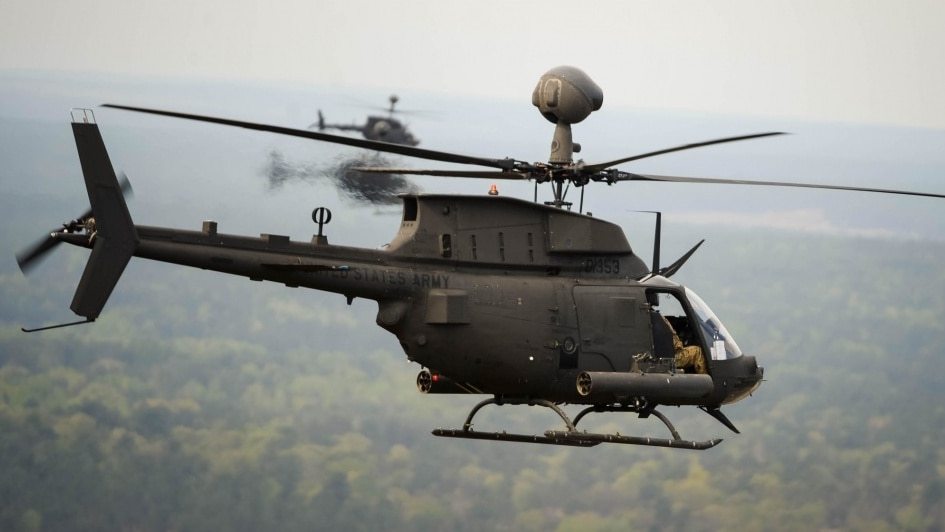
Armed reconnaissance still biggest gap in US Army aviation
The Army repeatedly stressed at the Army Aviation Association of America’s annual summit that the biggest gap it has is the one left open when it retired its armed reconnaissance helicopter — the OH-58 Kiowa Warrior — without replacing the fleet with a new aircraft.
-
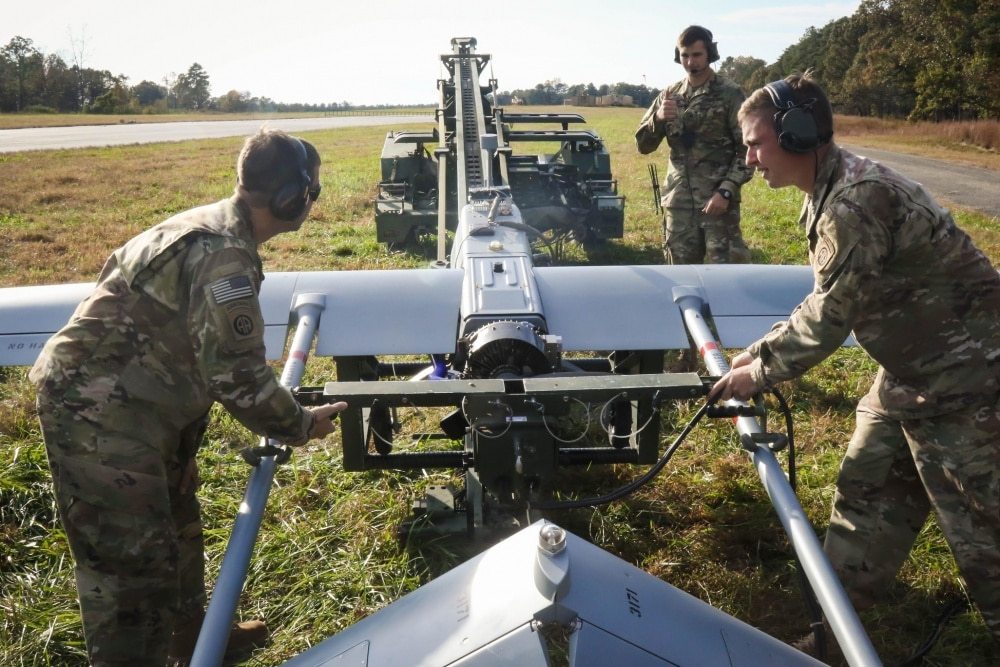
Army to hold flight demo to develop next-gen unmanned aircraft
Nearly mirroring its approach to examine the art-of-the-possible for a Future Vertical Lift aircraft, the Army plans to conduct a science & technology-level demonstration of a next-generation tactical unmanned aircraft system that would replace Shadow and Gray Eagle.
-
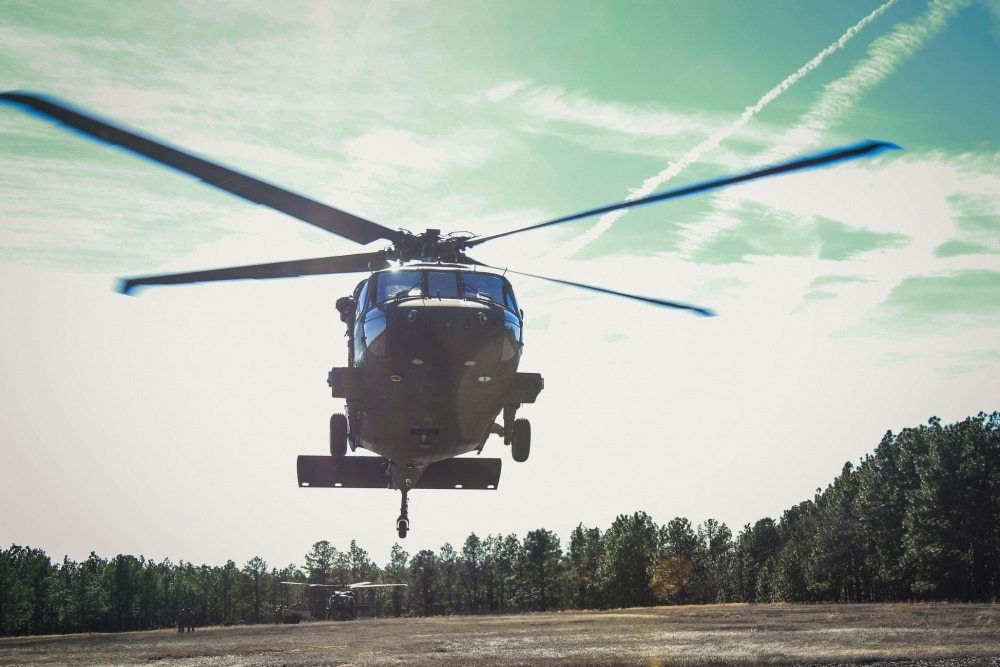
Budgetary fallout: Helo engine replacement effort comes to a halt
Efforts underway to develop the next-generation engine for UH-60 Black Hawk utility and AH-64 Apache attack helicopters will come to a complete stop this week as it operates under last year’s funding levels, according to an Army acquisition official.
-
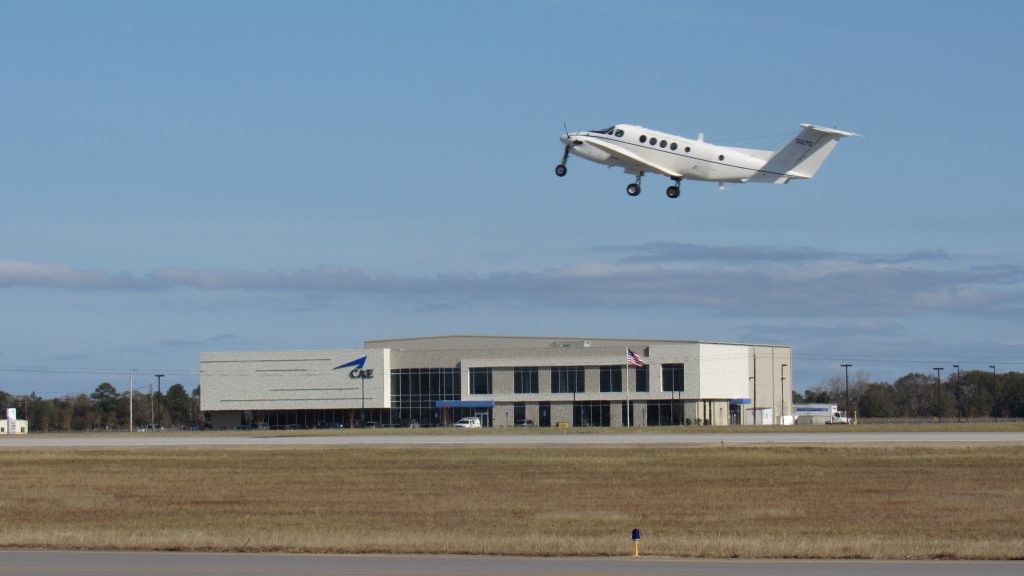
CAE’s Dothan fixed-wing flight school open for business
CAE USA was given the goal to open a fixed-wing training facility for the U.S. Army in a year all while a lawsuit over the contract loomed in the background, but the company was able to meet that goal.
-
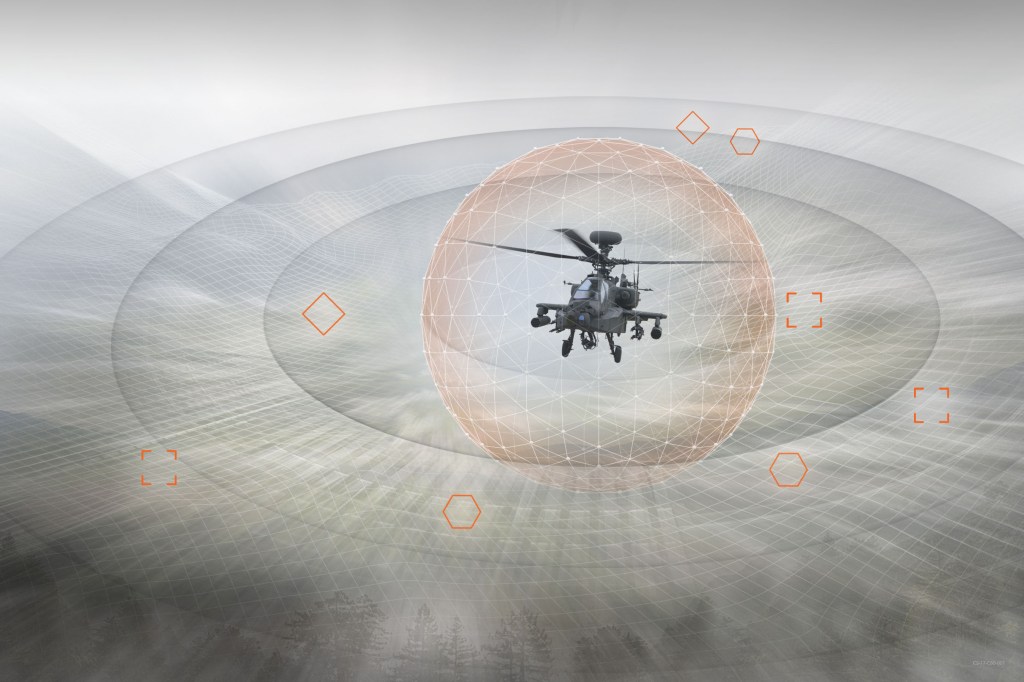
BAE Systems unveils next-gen threat warning system for helicopters
BAE Systems has long been a supplier of threat warning systems on current Army helicopters, but as those systems age, it is developing a next-generation warning system that can detect a threat with a higher degree of certainty.
-
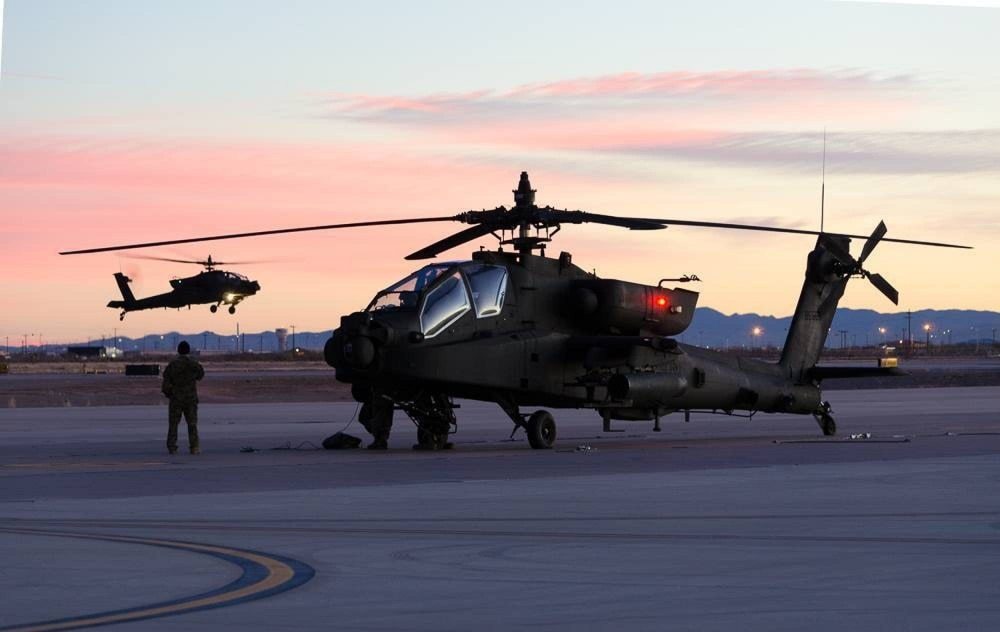
Japan’s Apache helicopters to get improved vision
Japan’s fleet of AH-64DJP Apache attack helicopters will soon have improved vision, having finalized a deal with Lockheed Martin to upgrade the Modernized Target Acquisition Designation Sight/Pilot Night Vision Sensor known as “the eyes” of the aircraft.
-

Interview: Bob Sheibley on what budget woes mean for future vertical lift
Bob Sheibley is at the helm of both efforts as acting Army project manager for Future Vertical Lift and the Improved Turbine Engine Program.
-
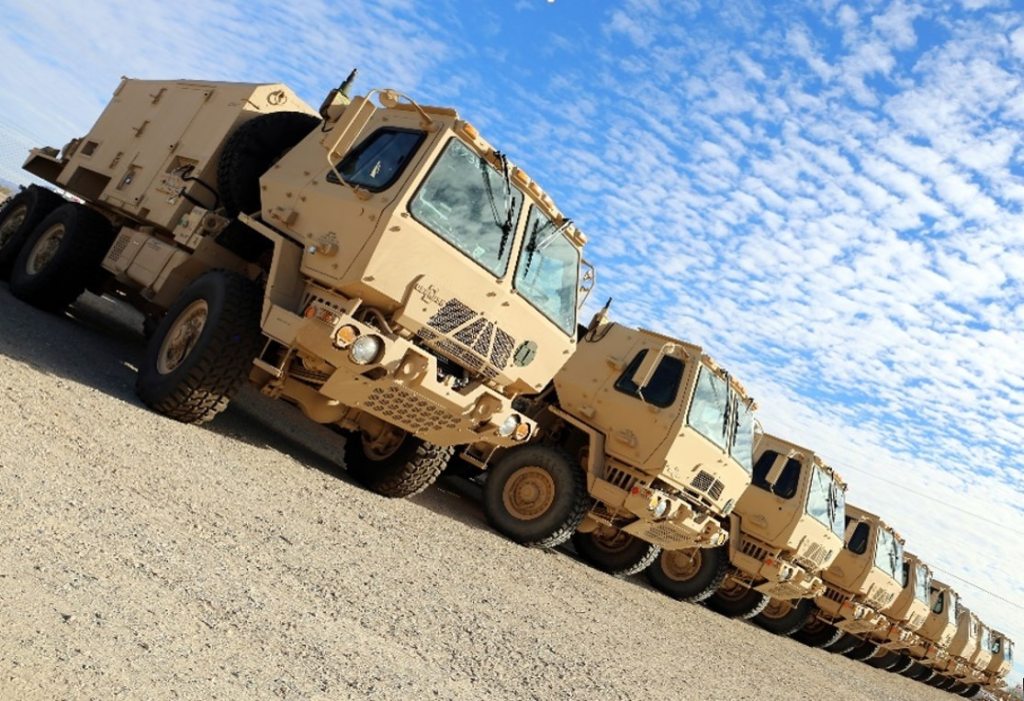
Lockheed expanding counterfire radar to meet US Army’s capability gaps
Lockheed Martin’s AN/TPQ-53 counterfire radar’s versatility is expanding to meet the U.S. Army’s most pressing capability gaps.
-

Long Range Discrimination Radar passes preliminary design review
The Long Range Discrimination Radar that will be operational in Alaska in 2020 has passed the preliminary design review phase, hitting a major milestone for the program.
-
Legacy trainers generating extra costs for helicopter pilot school
The Army is having to keep some legacy trainer helicopters in its fleet at the initial entry rotary-wing training schoolhouse due to a still pending and yearslong lawsuit — and it is generating extra costs.
-
Armed reconnaissance still biggest gap in US Army aviation
The Army repeatedly stressed at the Army Aviation Association of America’s annual summit that the biggest gap it has is the one left open when it retired its armed reconnaissance helicopter — the OH-58 Kiowa Warrior — without replacing the fleet with a new aircraft.
-
Army to hold flight demo to develop next-gen unmanned aircraft
Nearly mirroring its approach to examine the art-of-the-possible for a Future Vertical Lift aircraft, the Army plans to conduct a science & technology-level demonstration of a next-generation tactical unmanned aircraft system that would replace Shadow and Gray Eagle.
-
Budgetary fallout: Helo engine replacement effort comes to a halt
Efforts underway to develop the next-generation engine for UH-60 Black Hawk utility and AH-64 Apache attack helicopters will come to a complete stop this week as it operates under last year’s funding levels, according to an Army acquisition official.
-
CAE’s Dothan fixed-wing flight school open for business
CAE USA was given the goal to open a fixed-wing training facility for the U.S. Army in a year all while a lawsuit over the contract loomed in the background, but the company was able to meet that goal.
-
BAE Systems unveils next-gen threat warning system for helicopters
BAE Systems has long been a supplier of threat warning systems on current Army helicopters, but as those systems age, it is developing a next-generation warning system that can detect a threat with a higher degree of certainty.
-
Japan’s Apache helicopters to get improved vision
Japan’s fleet of AH-64DJP Apache attack helicopters will soon have improved vision, having finalized a deal with Lockheed Martin to upgrade the Modernized Target Acquisition Designation Sight/Pilot Night Vision Sensor known as “the eyes” of the aircraft.
-
Interview: Bob Sheibley on what budget woes mean for future vertical lift
Bob Sheibley is at the helm of both efforts as acting Army project manager for Future Vertical Lift and the Improved Turbine Engine Program.
-
Lockheed expanding counterfire radar to meet US Army’s capability gaps
Lockheed Martin’s AN/TPQ-53 counterfire radar’s versatility is expanding to meet the U.S. Army’s most pressing capability gaps.
-
Long Range Discrimination Radar passes preliminary design review
The Long Range Discrimination Radar that will be operational in Alaska in 2020 has passed the preliminary design review phase, hitting a major milestone for the program.