-
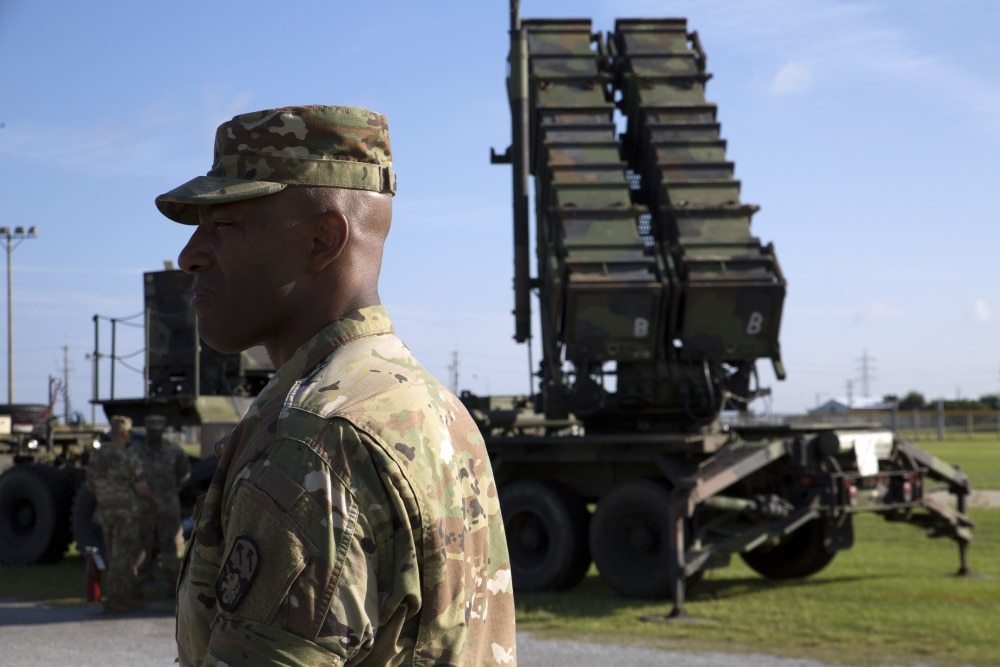
US Army anti-missile command system’s initial capability delayed four years
There were foggy and subtle signs the Army’s key future anti-missile command-and-control system’s schedule was slipping, but the service’s fiscal 2018 budget request is now showing the initial operational capability of the program is delayed by four years.
-
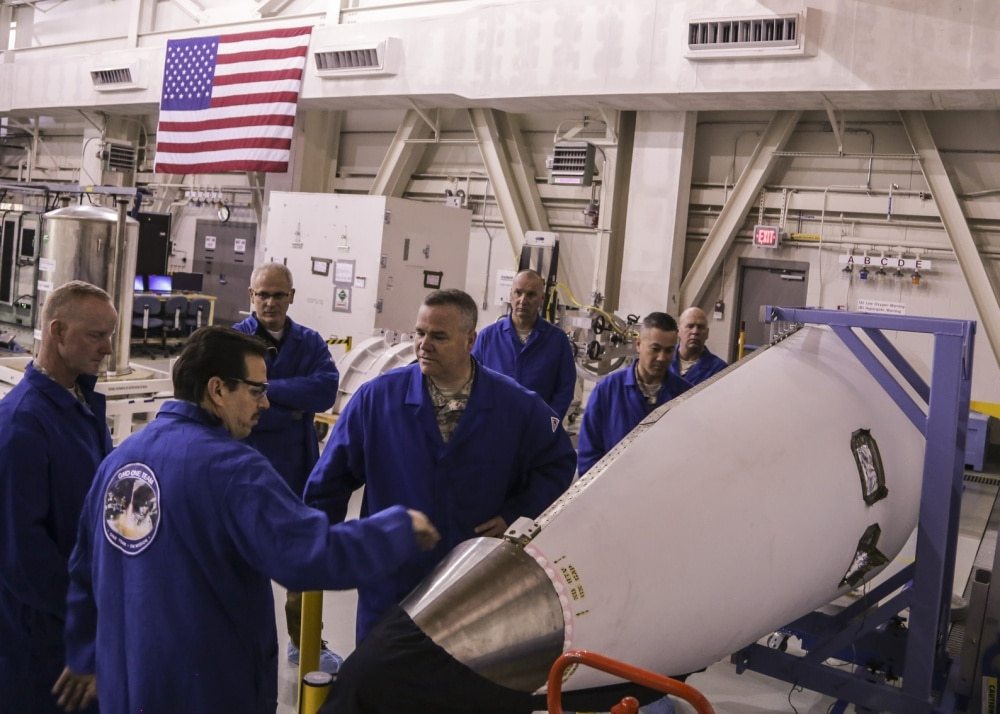
Ahead of Ballistic Missile Defense Review, MDA’s FY18 plans show flexibility
The Ballistic Missile Defense Review ordered this month by Defense Secretary James Mattis won’t wrap up until the end of the year but the Missile Defense Agency’s fiscal year 2018 budget request shows signs of flexibility ahead of the reviews findings.
-
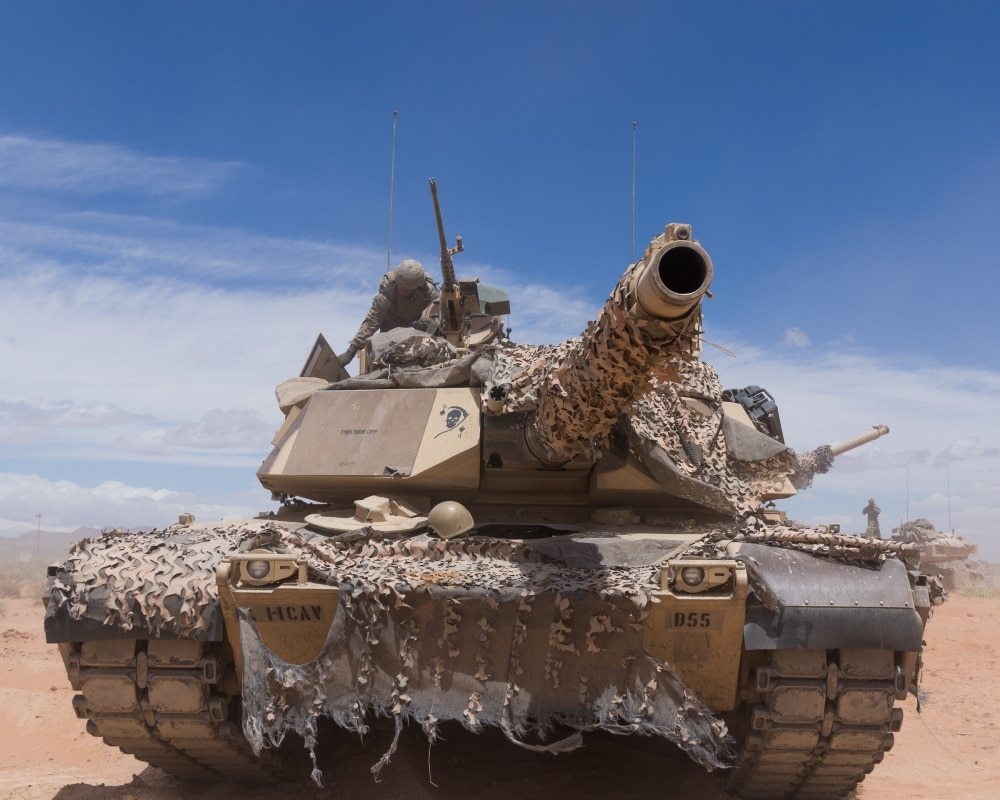
Army’s $166B budget boosts global operations
The U.S. Army is stretched across the globe conducting missions to include destroying the Islamic State, supporting Afghan Security Forces and deterring North Korea and Russia and its needs $166 billion in fiscal year 2018 to continue those operations with a force of over a million soldiers while preparing for the future.
-

It’s ‘getting real’: Special Ops Iron Man suit takes shape
The informally named “Iron Man” suit that U.S. Special Operations has been developing will start to come together over the next 18 months with a first prototype expected to be fully built by the end of 2018.
-
US Army’s 2018 budget request stockpiles munitions, modernizes armored brigades
The Army’s fiscal 2018 budget request funds a 1,018,000 sized total force and prioritizes building munitions stockpiles and modernizing armored brigade combat teams.
-
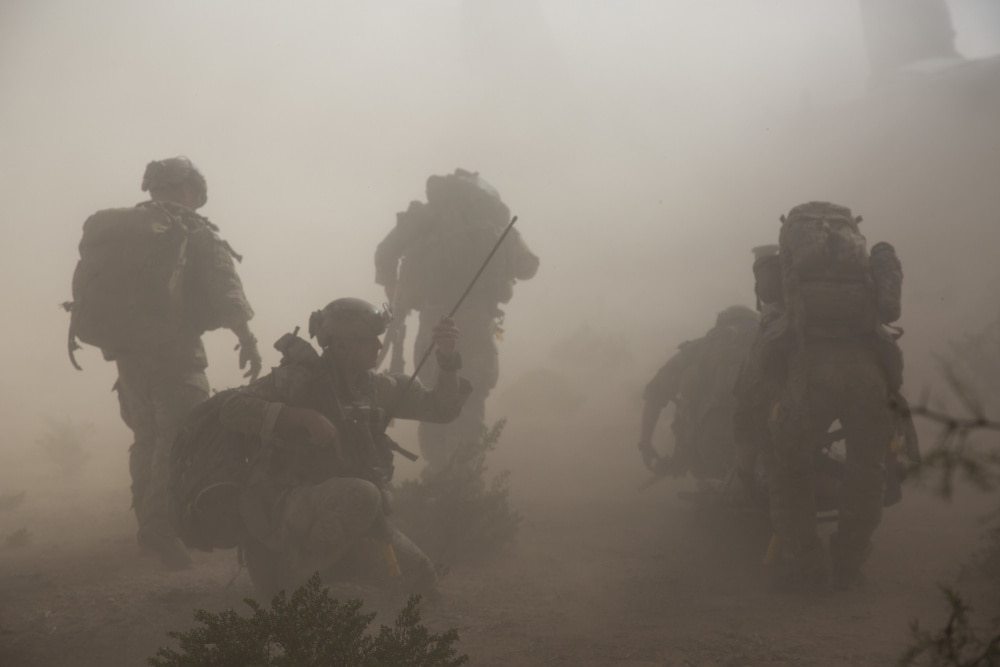
US Army Special Ops commander lifts curtain on 2035 strategy
The head of U.S. Army Special Operations Command lifted the curtain on the command’s 2035 strategy and campaign plan that will be unveiled in an unclassified version in July.
-
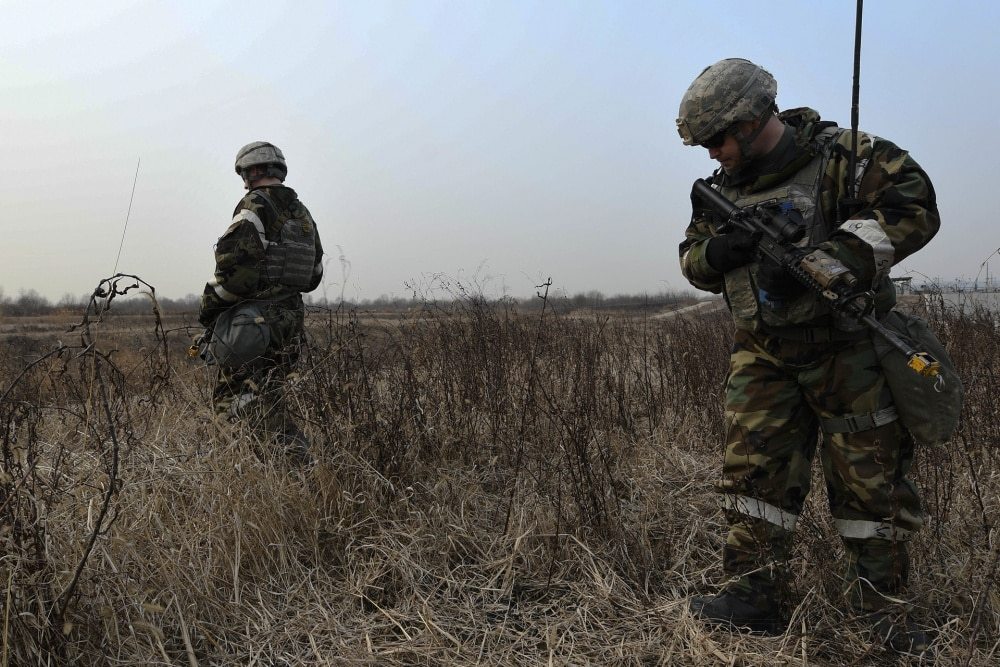
From Mars to military: Perimeter detection just got smarter
The capability for troops and special operators to detect something on the perimeter of a base camp or out in the field just got smarter.
-
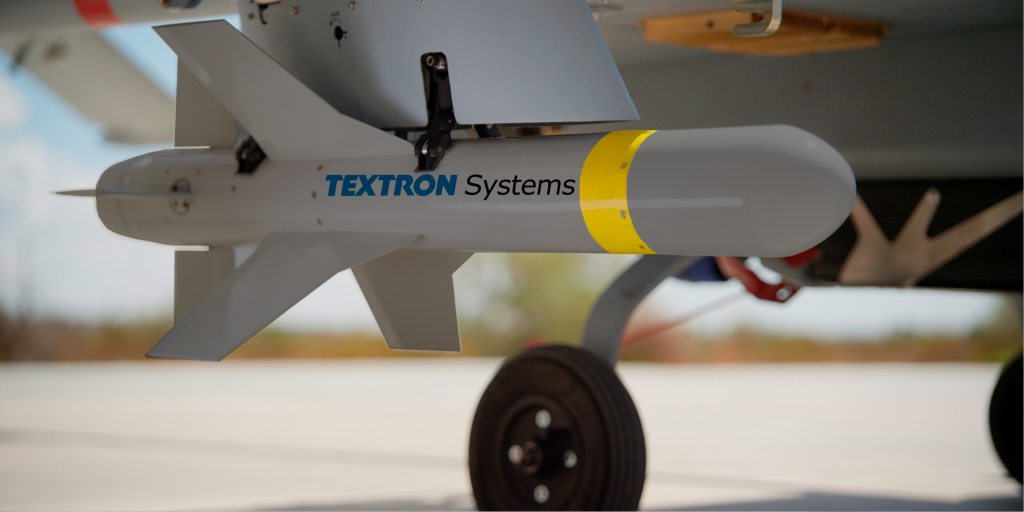
Textron’s Fury hits moving vehicle in demo
Textron’s Fury, a lightweight precision-guided glide munition, successfully took out moving targets at Yuma Proving Ground, Arizona, a company official told Defense News.
-
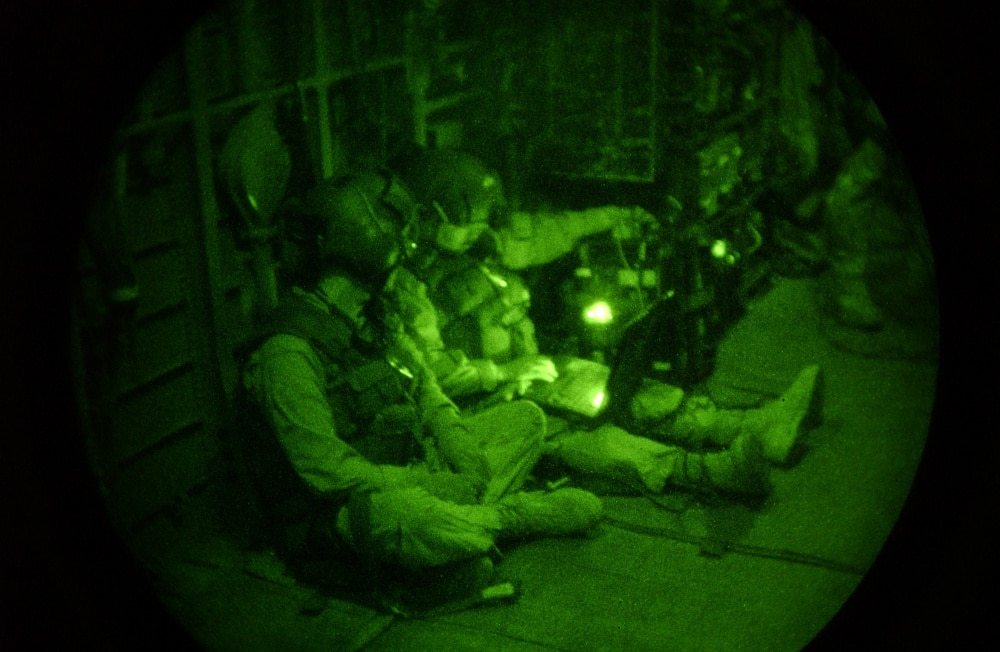
‘Swimming, in the morass of information’: Special Ops battles with big data
U.S. Special Operations Command is struggling to develop and implement technology that will help it get a handle on the large amount of information it must sift through to stay informed, make decisions and execute operations.
-
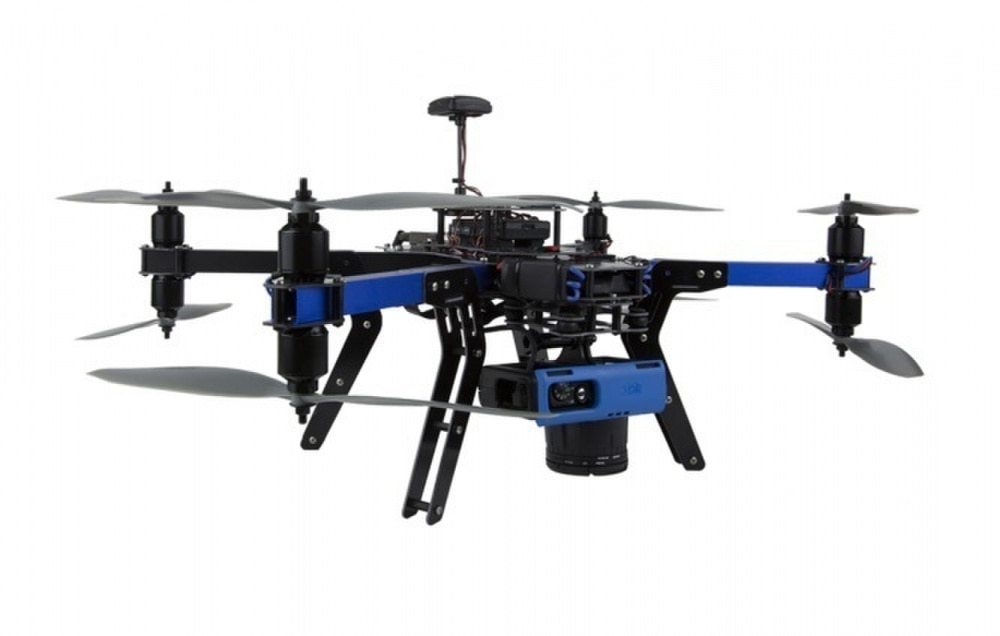
Coming soon: A SOFWERX for drones and robots
US Special Operations Command is launching a new effort to tackle drone and robotics technology hurdles rapidly, the same way it experiments with other capability problem sets through its SOFWERX model.
-
US Army anti-missile command system’s initial capability delayed four years
There were foggy and subtle signs the Army’s key future anti-missile command-and-control system’s schedule was slipping, but the service’s fiscal 2018 budget request is now showing the initial operational capability of the program is delayed by four years.
-
Ahead of Ballistic Missile Defense Review, MDA’s FY18 plans show flexibility
The Ballistic Missile Defense Review ordered this month by Defense Secretary James Mattis won’t wrap up until the end of the year but the Missile Defense Agency’s fiscal year 2018 budget request shows signs of flexibility ahead of the reviews findings.
-
Army’s $166B budget boosts global operations
The U.S. Army is stretched across the globe conducting missions to include destroying the Islamic State, supporting Afghan Security Forces and deterring North Korea and Russia and its needs $166 billion in fiscal year 2018 to continue those operations with a force of over a million soldiers while preparing for the future.
-
It’s ‘getting real’: Special Ops Iron Man suit takes shape
The informally named “Iron Man” suit that U.S. Special Operations has been developing will start to come together over the next 18 months with a first prototype expected to be fully built by the end of 2018.
-
US Army’s 2018 budget request stockpiles munitions, modernizes armored brigades
The Army’s fiscal 2018 budget request funds a 1,018,000 sized total force and prioritizes building munitions stockpiles and modernizing armored brigade combat teams.
-
US Army Special Ops commander lifts curtain on 2035 strategy
The head of U.S. Army Special Operations Command lifted the curtain on the command’s 2035 strategy and campaign plan that will be unveiled in an unclassified version in July.
-
From Mars to military: Perimeter detection just got smarter
The capability for troops and special operators to detect something on the perimeter of a base camp or out in the field just got smarter.
-
Textron’s Fury hits moving vehicle in demo
Textron’s Fury, a lightweight precision-guided glide munition, successfully took out moving targets at Yuma Proving Ground, Arizona, a company official told Defense News.
-
‘Swimming, in the morass of information’: Special Ops battles with big data
U.S. Special Operations Command is struggling to develop and implement technology that will help it get a handle on the large amount of information it must sift through to stay informed, make decisions and execute operations.
-
Coming soon: A SOFWERX for drones and robots
US Special Operations Command is launching a new effort to tackle drone and robotics technology hurdles rapidly, the same way it experiments with other capability problem sets through its SOFWERX model.